
Available products
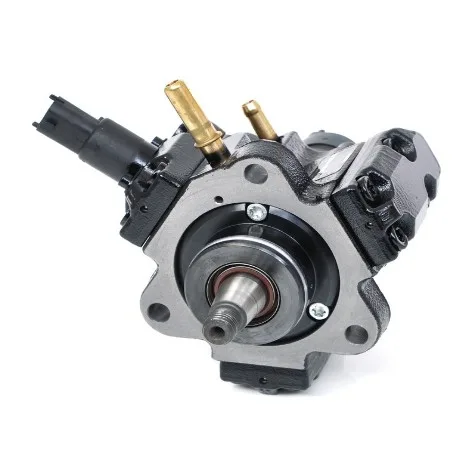
In stock
1 exchange-standard reference(s) match the IVECO Daily 3 29 L 11 105 hp (78 kW diesel). Output is the deciding criterion: a part meant for another output of the same displacement will not fit.
Engine specification: 2798 cm³, diesel. Matching part number: 0445020002 (Bosch). Compare with the code stamped on your part.
Other engines of the IVECO Daily 3: 35 C 17, 35 S 17 166 hp, 40 C 17, 40 S 17 166 hp, 40 C 17, 50 C 17 166 hp. If the code stamped on your part is legible, search by reference remains the safest route. 24-month warranty.
Related categories
Frequently asked questions
About this category
This category covers high-pressure pumps designed for Renault engines with the 1.5 dCi 110 hp designation, a common powerplant in models like the Scénic, Mégane, and Clio. These pumps are essential for maintaining fuel pressure in common-rail diesel systems, where even minor deviations can trigger warning lights or drivability issues. Whether you’re a professional mechanic or a DIY enthusiast, finding the right pump means matching the engine code and model year to ensure seamless integration.
The range is built around OEM references and equivalent aftermarket parts, sourced from manufacturers like Bosch, Delphi, and Denso. These pumps are remanufactured to original specifications, with worn components replaced and tested for pressure consistency. The role of the wholesaler here is to provide bulk availability, ensuring garages and retailers can stock the right units without delays.
Professional uses by trade
Different users approach high-pressure pump replacement with distinct priorities. Professionals focus on compatibility, turnaround time, and bulk pricing, while DIYers seek clarity on installation steps and part identification. German buyers, in particular, value precision and documentation to avoid misfitting parts.
- Le garagiste independant : Replace the pump during scheduled maintenance to prevent unexpected breakdowns, using the engine code (e.g., K9K) to confirm compatibility before ordering.
- L'automobiliste depanne : Diagnose a failing pump by checking for loss of power, excessive smoke, or a flashing engine light, then source the exact OEM reference for a direct swap.
- Le passionne qui fait lui-meme : Remove the old pump carefully, noting the O-ring positions and torque settings, to ensure the new unit fits without leaks or misalignment.
- Der deutsche Kaeufer (DACH) : Verify the pump’s geometry and cartridge type (e.g., variable geometry or fixed) to match the engine’s fuel delivery requirements, especially for models sold in Germany.
- Le garagiste independant : Order pumps in bulk to reduce costs per unit, leveraging wholesaler discounts while ensuring stock rotation to avoid obsolescence.
- L'automobiliste depanne : Check the pump’s condition by inspecting the camshaft and plunger for wear, as these directly impact fuel pressure delivery.
- Der deutsche Kaeufer (DACH) : Confirm the pump’s compatibility with the vehicle’s ECU by cross-referencing the OEM part number with the engine control unit’s software version.
Range comparison
Below, you’ll find the high-pressure pumps available for Renault 1.5 dCi 110 hp engines, listed by OEM reference and formatted for bulk purchasing. Each entry includes the exact part number and a concise usage note to guide your selection.
| Range | Use | Format |
|---|---|---|
| High-pressure pump Bosch 0445020002 | direct replacement for K9K engines |
How to choose
Selecting the right high-pressure pump depends on several factors beyond the OEM reference. Consider the pump’s condition (remanufactured or new), its packaging for storage, and the supplier’s return policy for cores. Compatibility with the vehicle’s model year and engine code is non-negotiable.
- Prioritize pumps with a remanufacturing date within the last 12 months to ensure consistent quality and reduced risk of premature failure.
- Check the packaging for moisture barriers and shock protection, as high-pressure pumps are sensitive to humidity and physical damage during transit.
- Verify the supplier’s core return policy, as many require the old pump to be returned within a set timeframe to avoid additional fees.
- Match the pump’s geometry (e.g., variable or fixed) to the engine’s fuel system design to prevent mismatches that could affect performance.
- Opt for suppliers with a rotating stock to avoid obsolescence, especially for older model years where parts may become scarce.
- Ensure the pump’s OEM reference aligns with the engine code (e.g., K9K 836 or K9K 792) to deliver a perfect fit.
- Review the supplier’s testing protocols, as reputable remanufacturers subject pumps to pressure and leak tests before shipping.
Storage & logistics
High-pressure pumps must be stored in a climate-controlled environment, away from direct sunlight and temperature fluctuations. Keep them in their original packaging or sealed containers to prevent contamination from dust or moisture. For bulk orders, use shelving with vibration dampening to avoid stressing the pump’s internal components. Always handle pumps by the mounting flange or cartridge, never by the electrical connector or fuel lines, to preserve their integrity. Rotate stock regularly to ensure older units are used first, reducing the risk of degradation over time.
Since 2026, we’ve supplied thousands of high-pressure pumps for Renault 1.5 dCi 110 hp engines, and our team has seen firsthand how a well-matched pump restores engine smoothness and fuel efficiency. We don’t just sell parts—we provide the confidence that comes from knowing the pump will perform as expected, whether it’s for a garage’s daily workflow or a DIYer’s weekend project.— autoKUR team
Related categories
Browse our other ranges:
- 35 C 17, 35 S 17 166 hp
- 40 C 17, 40 S 17 166 hp
- 40 C 17, 50 C 17 166 hp
- 50 C 17 166 hp
- 65 C 17 166 hp
- 35 C 15 146 hp
Useful references
For regulatory and sector references, see Reglement (UE) 461/2010 — pieces de rechange et garantie constructeur.