
Available products
1425 references · page 1 / 60
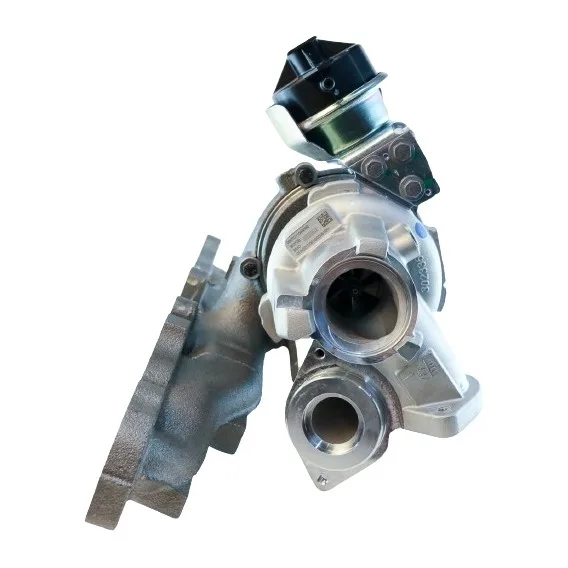
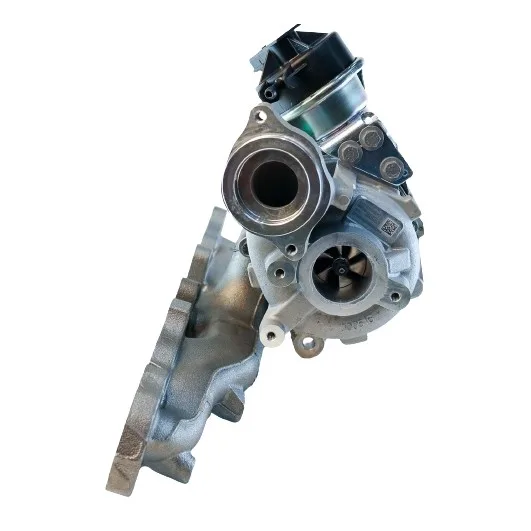
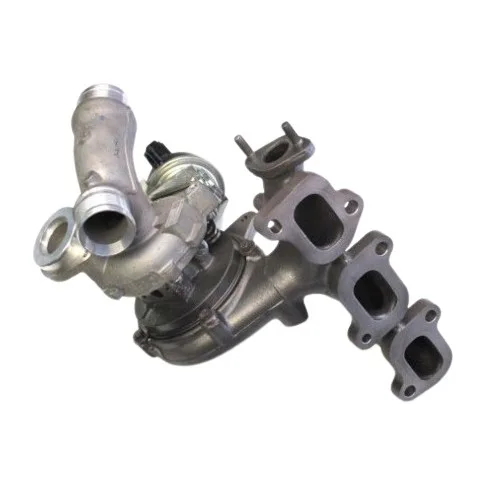
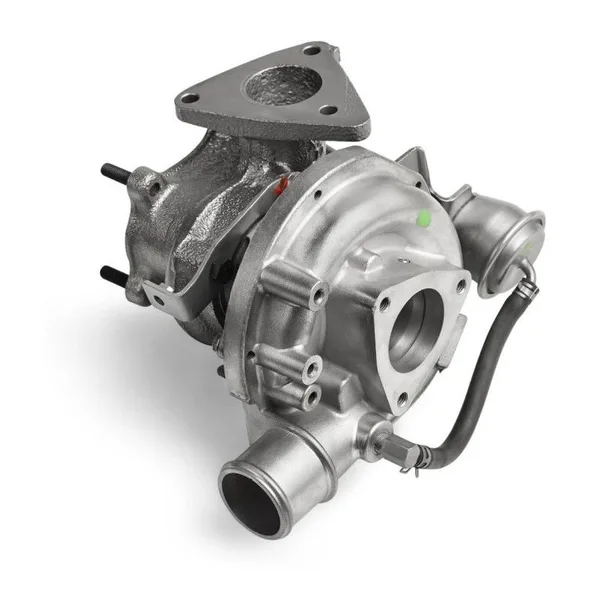

Let's talk about your project
Personalized advice, just for you
Expert in your field
Frequently asked questions
About this category
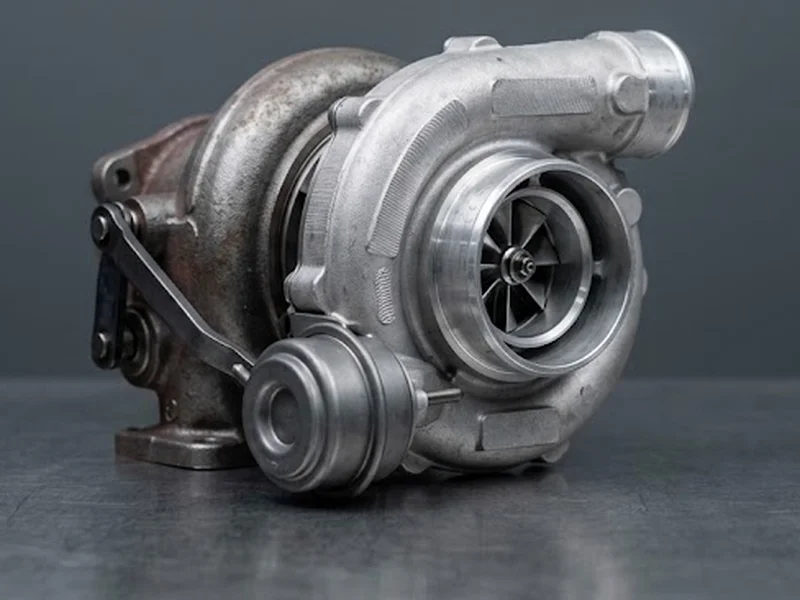
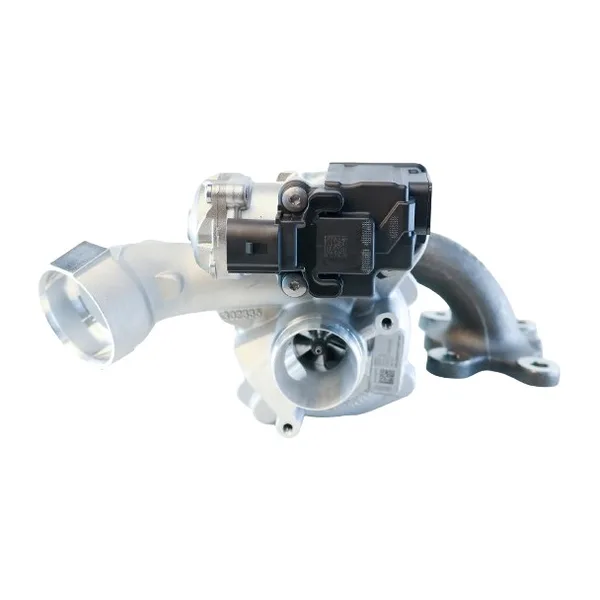
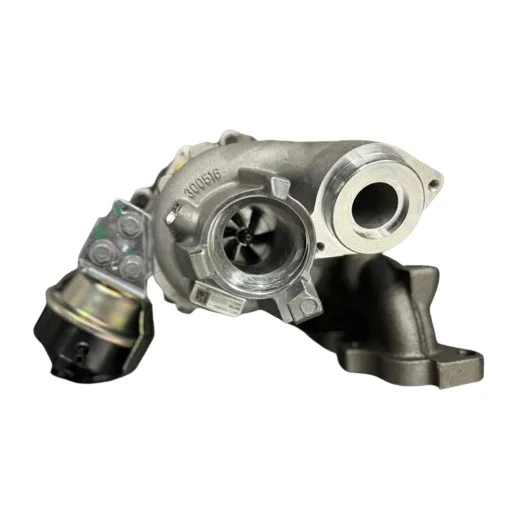
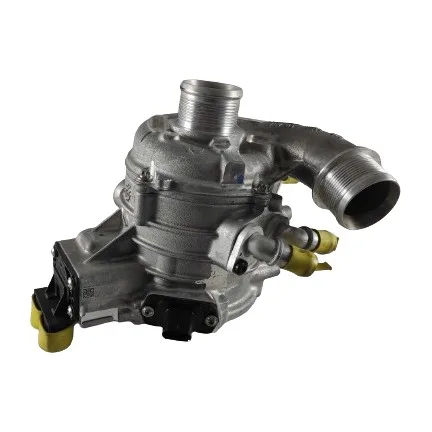
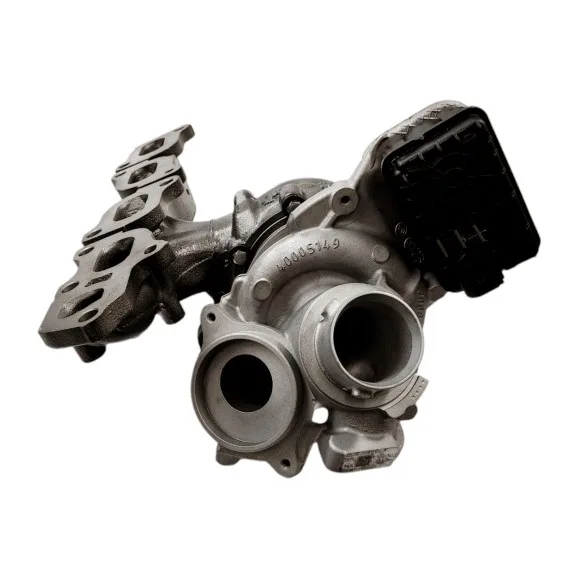
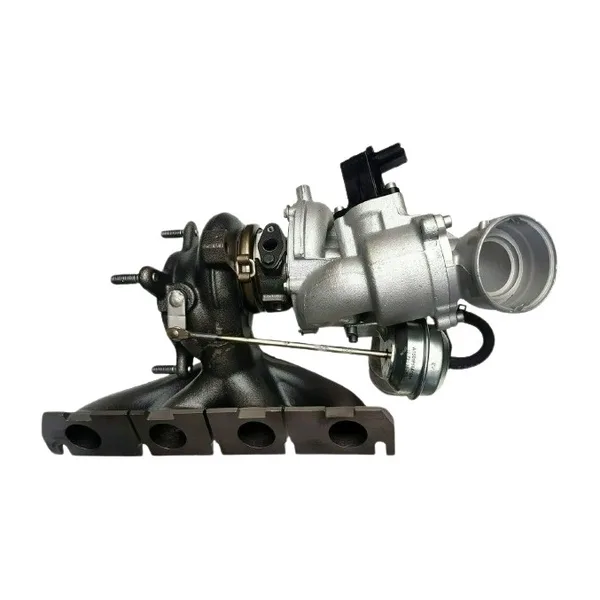
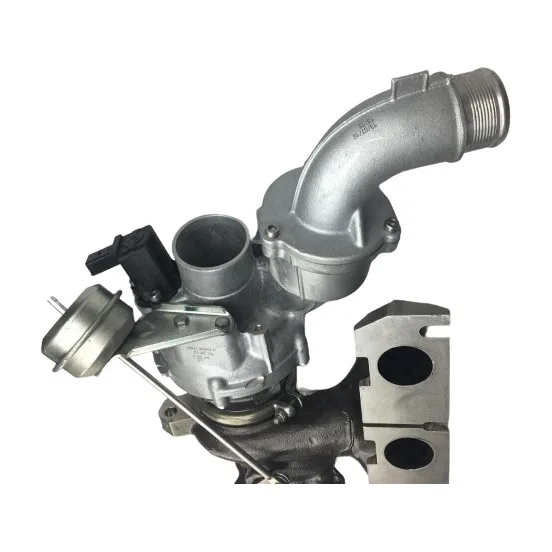
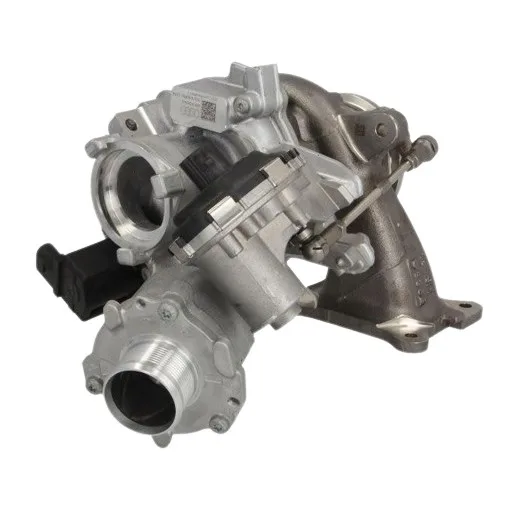
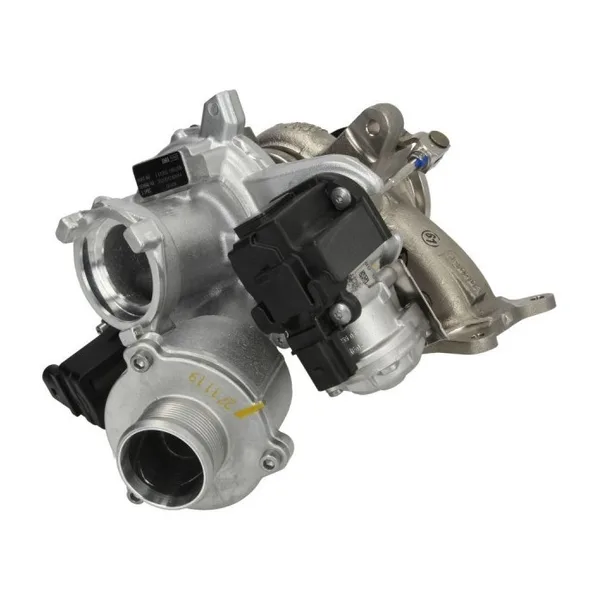
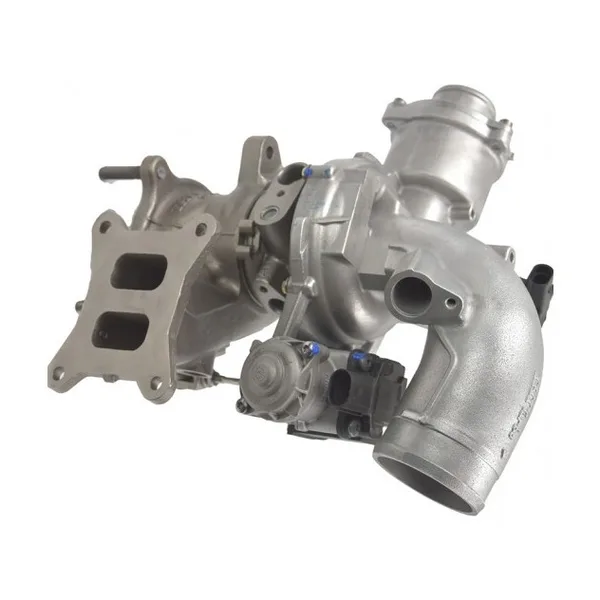
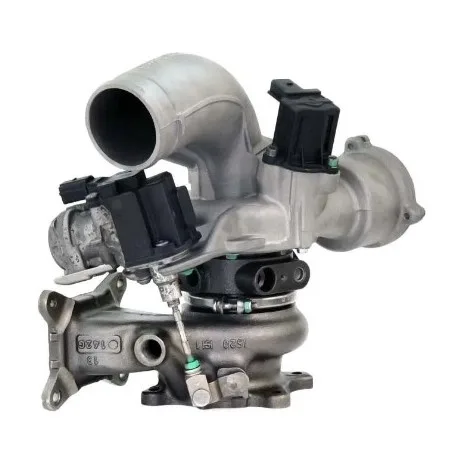
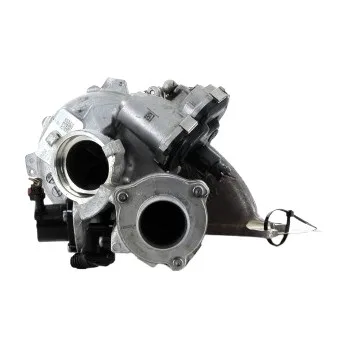
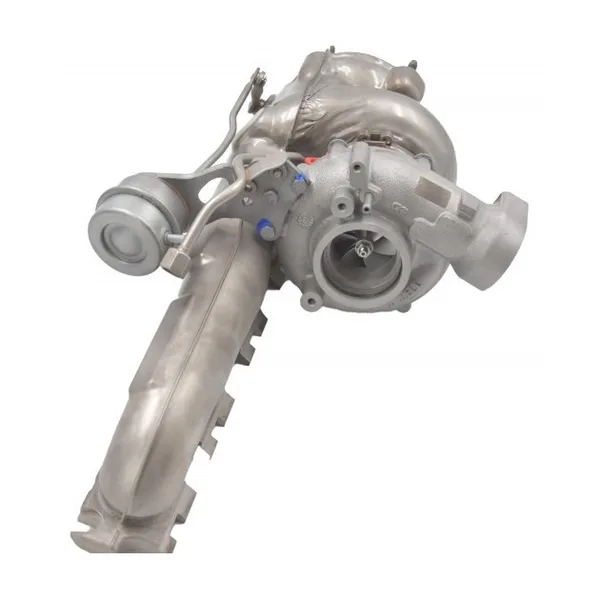
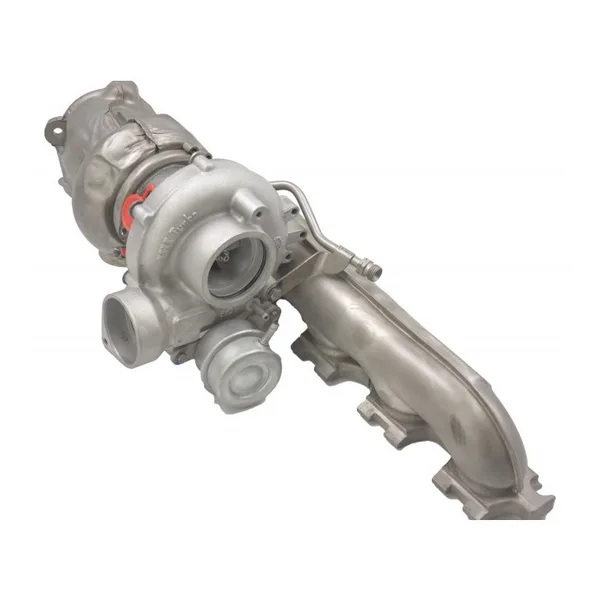
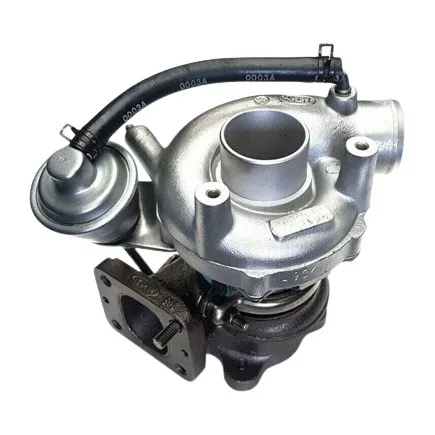
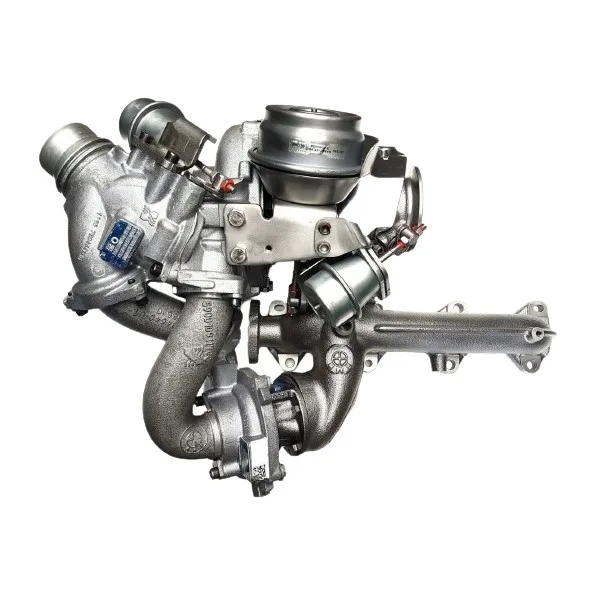
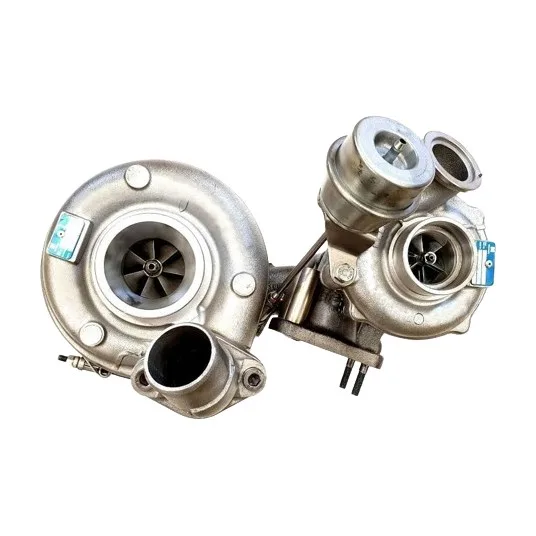
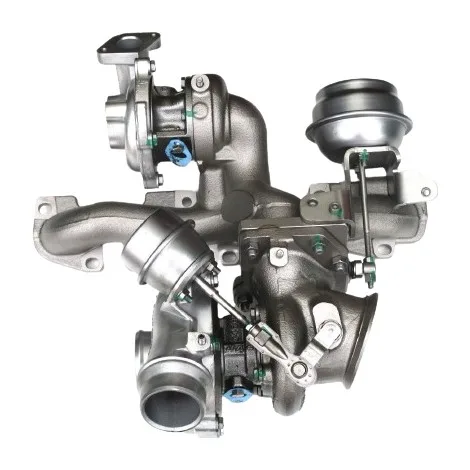
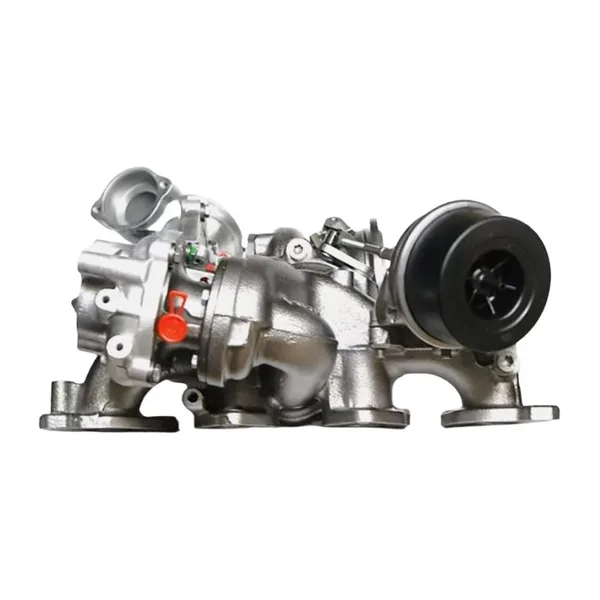
The Turbocharger category brings together reconditioned units built on the exchange-standard principle: a worn or failed turbo is exchanged for a reconditioned equivalent rather than sold as new. It addresses independent garages sourcing replacement parts for client vehicles, drivers facing a sudden loss of power, and hands-on owners planning to fit the part themselves. Entries are organised by vehicle, engine code and power rating so the search starts from the motorisation, not a reference number.
The range is built around known applications across the brands listed, each entry cross-referenced to OEM part numbers and their common equivalences so a single engine code can surface the correct cartridge, CHRA or complete unit. As a specialist in exchange-standard reconditioned parts, the wholesaler structures the catalogue around actual fitment data rather than generic listings, alongside the same exchange-standard process applied to other reconditioned engine components.
Professional uses by trade
Each profile approaches the same shelf differently: some arrive with a diagnostic already in hand, others only with a symptom and a model name. The following usages reflect how garages, stranded drivers, DIY owners and DACH buyers typically search this category.
- Independent garage: cross-checks a reported symptom such as reduced power or a whistling intake against the vehicle's engine code before ordering a reconditioned replacement unit.
- Stranded driver: searches by car model and engine size after noticing smoke or a limp-mode warning, aiming to identify the correct turbocharger without prior reference knowledge.
- DIY enthusiast: compares OEM reference numbers and known equivalences across model years to confirm the cartridge or CHRA matches before fitting is carried out.
- Der deutsche Kaeufer (DACH): consults the entry by engine code and power output to confirm the reconditioned unit corresponds to the vehicle described in the registration documents.
- Independent garage: plans recurring replacement stock around frequently requested engine codes rather than reordering one reference at a time.
- DIY enthusiast: reviews the core deposit and return process for the worn turbocharger before finalising an order for the reconditioned equivalent.
- Der deutsche Kaeufer (DACH): checks variable-geometry specifications against the original unit to avoid ordering an incompatible cartridge configuration.
Range comparison
The table below groups turbocharger applications by the vehicle brands represented in this category, indicating a typical use case and the general wholesale format available for each.
| Range | Use | Format |
|---|---|---|
| ABARTH | compact performance engine applications | reconditioned exchange unit |
| ALFA ROMEO | passenger vehicle engine codes | reconditioned exchange unit |
| ALPINA | specialised high-output applications | reconditioned exchange unit |
| ALPINE | lightweight sport engine variants | reconditioned exchange unit |
| AUDI | widespread engine code range | reconditioned exchange unit |
| BENTLEY | large-displacement engine applications | reconditioned exchange unit |
How to choose
Choosing the right turbocharger listing depends less on the brand name than on the underlying engine code, so the following points help narrow the search before an order is placed.
- Confirm the exact engine code and power output stated on the vehicle registration rather than relying on the model name alone, since several variants can share a body style.
- Check the OEM reference and its listed equivalences against the part currently fitted to avoid ordering a cartridge built for a different production year.
- Review the reported symptom, whether reduced power, smoke, a whistling noise or limp mode, to confirm it matches the failure pattern typically associated with the listed unit.
- Note the core deposit conditions attached to the exchange-standard process, since the worn turbocharger is expected to be returned once the replacement is fitted.
- Verify whether the application involves a variable-geometry mechanism, as this affects which cartridge or CHRA configuration is required for compatibility.
- Consider how the part will be fitted, since installation is carried out by a professional at their own workshop and falls outside the scope of the part supply itself.
- Check the coverage terms listed at the product level before ordering, as these are confirmed per reference rather than assumed across the category.
Storage & logistics
Reconditioned turbochargers are handled as core-exchange items: the incoming unit is logged against its engine code and OEM reference before dispatch, and the corresponding worn part is expected back under the core deposit process once the replacement has been fitted elsewhere. For garages managing several vehicles at once, keeping the removed unit boxed and labelled with the original vehicle details simplifies the return and avoids delays in closing the exchange. Buyers ordering ahead of a scheduled repair should confirm the engine code again just before dispatch, since running production changes can affect which cartridge or CHRA variant applies to a given model year.
Since 2026 our team has organised this category around the engine code first, because a buyer arrives knowing their motorisation long before they know a part number, and the exchange-standard process only works if that first match is right.— autoKUR team
Related categories
Browse our other ranges:
Useful references
For regulatory and sector references, see Reglement (UE) 461/2010 — pieces de rechange et garantie constructeur.