
Available products
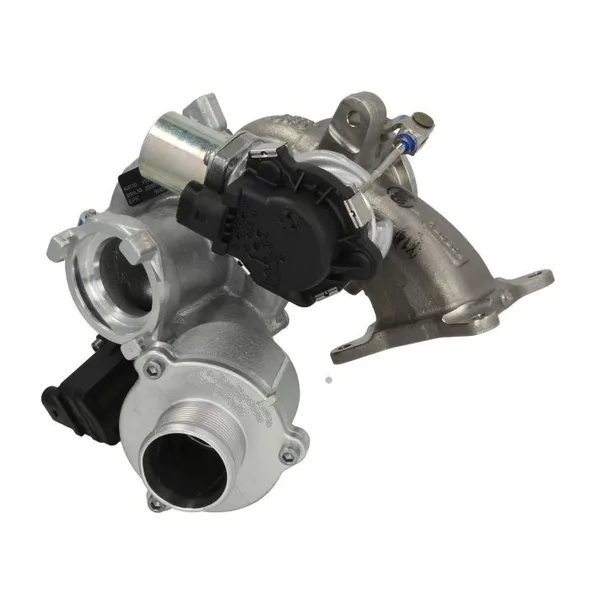
In stock
1 exchange-standard reference(s) match the VOLKSWAGEN Golf 7 (5G1 / BQ1 / BE1 / BE2) 2.0 TSI 300 hp (221 kW petrol). Output is the deciding criterion: a part meant for another output of the same displacement will not fit.
Engine specification: 1984 cm³, petrol, built from 11/2013 to 02/2017. Matching part number: 9VA05 (SL Turbo). Compare with the code stamped on your part.
Other engines of the VOLKSWAGEN Golf 7 (5G1 / BQ1 / BE1 / BE2): 2.0 R 310 hp, 2.0 TSI 310 hp, 2.0 R 300 hp. If the code stamped on your part is legible, search by reference remains the safest route. 24-month warranty.
Related categories
Frequently asked questions
About this category
The 2.0 TSI 300 hp turbo exchange standard category addresses the needs of motorists and professionals dealing with Volkswagen Group engines where power output and reliability are non-negotiable. Whether you are a mechanic facing a turbo failure under warranty or a car owner seeking a cost-effective repair, this range provides remanufactured units designed to match original specifications without the premium of a brand-new OEM part.
This range is curated by a wholesale specialist with direct access to remanufacturing partners, ensuring that every turbo listed for the 2.0 TSI 300 hp undergoes a standardized process of inspection, cleaning, and replacement of worn components. The focus is on delivering a product that performs like a new unit but at a fraction of the cost, with logistics optimized for rapid delivery to workshops and private buyers alike.
Professional uses by trade
Different users approach the 2.0 TSI 300 hp turbo exchange standard category with distinct priorities, from garages managing high-volume repairs to enthusiasts performing their own installations. Each group requires clarity on compatibility, condition, and return processes to make an informed decision.
- Le garagiste independant : Replace a failing turbo on a 2.0 TSI 300 hp with an exchange standard unit to restore full power delivery and avoid costly OEM delays, ensuring customer satisfaction with minimal workshop downtime.
- Le garagiste independant : Use the core deposit system to offset costs when customers return their faulty turbos, simplifying the transaction while maintaining a sustainable supply chain for remanufactured parts.
- L'automobiliste depanne : Order an exchange standard turbo for a 2.0 TSI 300 hp to resolve sudden power loss or excessive smoke, avoiding the expense of a dealership visit while ensuring the part fits the exact engine code.
- L'automobiliste depanne : Benefit from the convenience of a pre-verified turbo that matches the vehicle’s motorization, eliminating guesswork and reducing the risk of incorrect part selection during an emergency repair.
- Le passionne qui fait lui-meme : Source a remanufactured turbo for a 2.0 TSI 300 hp to tackle a DIY installation, leveraging the core deposit system to lower upfront costs while contributing to a circular economy.
- Le passionne qui fait lui-meme : Choose an exchange standard unit with clear compatibility notes to ensure the turbo’s geometry and cartridge align with the engine’s requirements, preventing installation errors.
- Der deutsche Kaeufer (DACH) : Purchase a 2.0 TSI 300 hp turbo from a supplier with German-language support, ensuring seamless communication and compliance with local return policies for used cores.
Range comparison
The following turbos for the 2.0 TSI 300 hp are listed with their key attributes to help you identify the right exchange standard unit for your needs, whether for a quick garage repair or a personal project.
| Range | Use | Format |
|---|---|---|
| SL Turbo 9VA05 | High-flow remanufactured turbo |
How to choose
Selecting the correct turbo for a 2.0 TSI 300 hp requires attention to several factors beyond just the engine code, including the turbo’s condition, compatibility with the vehicle’s motorization, and the return process for the used core.
- Verify the turbo’s compatibility with the exact engine code and model year to avoid mismatches that could lead to installation issues or performance discrepancies.
- Inspect the turbo’s condition for signs of wear or damage, such as scoring on the shaft or excessive play in the bearings, which could indicate a subpar remanufacturing process.
- Confirm the availability of a core deposit system to reduce upfront costs, ensuring you can return the faulty turbo without additional fees or delays.
- Check the packaging for protective measures, such as sealed bags or foam inserts, to prevent transit damage and maintain the turbo’s integrity until installation.
- Prioritize turbos with a documented remanufacturing process, including cartridge replacement and balancing, to ensure consistent performance and longevity.
- Assess the supplier’s return policy for used cores, as some may require specific packaging or documentation to process the deposit efficiently.
- Evaluate the turbo’s fitment with the vehicle’s existing hardware, such as the wastegate actuator or oil/coolant lines, to avoid compatibility surprises during installation.
Storage & logistics
For B2B buyers, storing exchange standard turbos for the 2.0 TSI 300 hp requires a controlled environment to prevent contamination or moisture damage, with units kept in their original packaging until ready for use. Rotate stock regularly to ensure freshness, and maintain a dedicated area for used cores awaiting return, labeled clearly to streamline the deposit process and avoid mix-ups with new inventory.
With over a decade of experience in remanufactured turbos, our team ensures every 2.0 TSI 300 hp unit meets the same standards as a new OEM part, backed by a core deposit system that keeps costs predictable for professionals and enthusiasts alike.— autoKUR team
Related categories
Browse our other ranges:
Useful references
For regulatory and sector references, see Reglement (UE) 461/2010 — pieces de rechange et garantie constructeur.