

Available products
5 references

Frequently asked questions
About this category
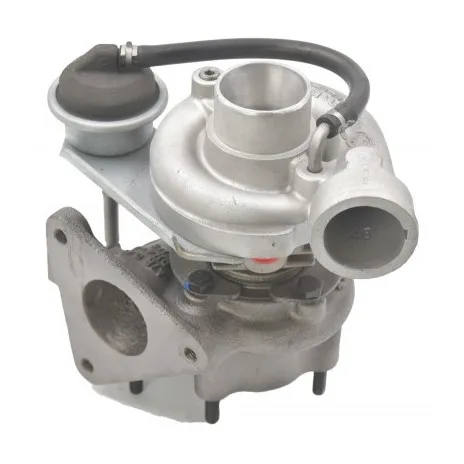
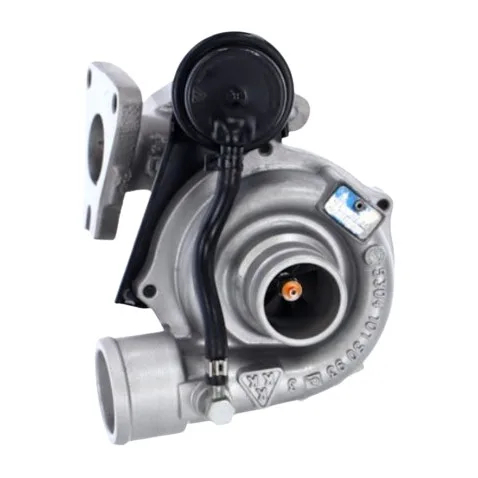
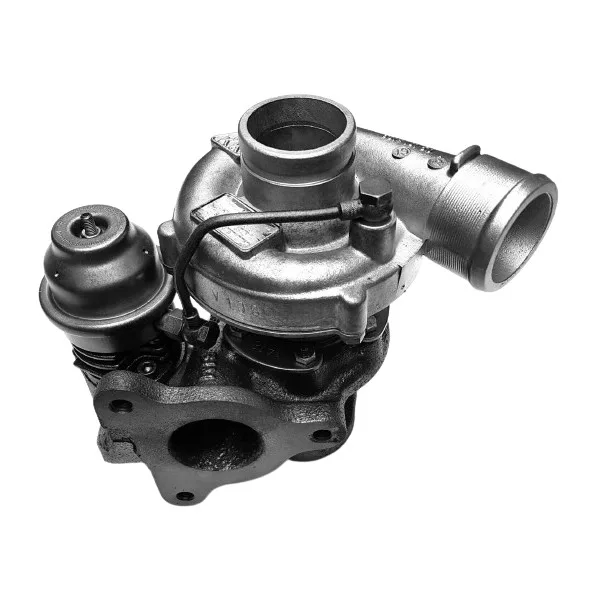
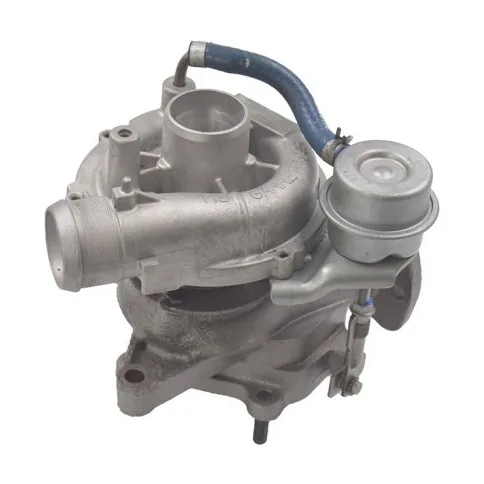
This category brings together exchange turbochargers built for the engines most often found in daily-driven and workshop vehicles. It groups references from BorgWarner KKK and Garrett, covering variable-geometry and fixed-geometry designs used on diesel and petrol engines alike. Buyers arrive here already knowing the vehicle in front of them, the engine code stamped on the block, or the symptoms it is showing, rather than a catalogue number learned in advance. The listing is organized so that engine identification comes before brand preference, since the two references are rarely interchangeable across engine families.
The range is built reference by reference, following the CHRA and geometry used by the original equipment on each engine, then cross-checked against the equivalent BorgWarner or Garrett part. A wholesale distributor's role here is to hold the references that a workshop cannot always justify stocking itself, and to make the exchange process, sending back the worn core, straightforward once the replacement unit has been fitted by a professional.
Professional uses by trade
The same turbocharger reference is bought for different reasons depending on who is ordering it. A garage plans ahead for a booked repair, a stranded driver needs the closest available match, and a home mechanic is often working from a diagnosis made before the part was chosen. The following overview sets out how each profile typically uses this category.
- Le garagiste independant : orders the exchange unit matching the engine code on file, planning the job around confirmed availability rather than a guess at compatibility.
- Le garagiste independant : keeps a short list of BorgWarner and Garrett references for the engines it services most, avoiding a search from scratch every time.
- L'automobiliste depanne : arrives with symptoms already described, such as a loss of power or a whistling noise, and needs the reference for that exact engine confirmed quickly.
- Le passionne qui fait lui-meme : compares the geometry and CHRA of the listed reference against the original part before ordering, since the two are not always interchangeable.
- Le passionne qui fait lui-meme : plans the core return in advance, knowing the worn turbocharger will need to go back once the replacement is fitted by a professional.
- Der deutsche Kaeufer (DACH) : looks for the reference by engine code and power output rather than a marketing name, matching how the category is organized here.
- Der deutsche Kaeufer (DACH) : expects the exchange and core-return process to be clearly explained before ordering, since it is not always familiar outside domestic suppliers.
Range comparison
The table below lines up the five references carried in this category, each shown with its typical use case and the general wholesale format it is supplied in, to make a side-by-side comparison faster before ordering.
| Range | Use | Format |
|---|---|---|
| Turbo BorgWarner - KKK 5303 988 0028 | matching engine code replacement | |
| Turbo BorgWarner - KKK 5314 988 7012 | engine exchange replacement | |
| Turbo Garrett 454027-5002S | geometry-matched engine replacement | |
| Turbo Garrett 706976-5002S | engine exchange replacement | |
| Turbo BorgWarner - KKK 5303 988 0023 | matching engine code replacement |
How to choose
Choosing between two references that look similar starts with a small number of checks. The points below are the ones most often used to confirm that a given turbocharger exchange unit is the correct one before it is ordered.
- Confirm the engine code and power output stamped on the vehicle documentation before comparing it against the reference listed for that exchange unit.
- Check whether the original part uses variable or fixed geometry, since a mismatch on this point alone rules out an otherwise similar-looking reference.
- Compare the CHRA and cartridge dimensions against the original part, as two references from different brands can share a similar profile without being interchangeable.
- Verify the core return conditions attached to the reference, since the worn turbocharger is expected back once the replacement has been fitted.
- Cross-check the OEM reference and its listed equivalences rather than relying on the vehicle model alone, as the same model can carry different engines across its production years.
- Consider the production years covered by the reference, since an engine code can be shared across a longer range of years than the power figure suggests.
Storage & logistics
Exchange turbochargers are stored and handled as returnable units rather than disposable parts, which shapes how this category moves through a warehouse. Each reference is kept boxed and separated from other geometry variants to avoid a mismatch at picking, and the core return path is tracked alongside the outbound shipment so the worn unit can be sent back once the replacement has been fitted by a professional. Because BorgWarner and Garrett references are not visually distinct once unboxed, labelling by reference number is kept at the unit level rather than the pallet level throughout storage.
Since 2026, our approach to this category has stayed the same: match the engine code first, the brand reference second. A turbocharger exchange unit is only useful to a garage or a driver if it fits the exact engine in front of them.— autoKUR team
Related categories
Browse our other ranges:
Useful references
For regulatory and sector references, see Reglement (UE) 461/2010 — pieces de rechange et garantie constructeur.