

Available products
3 references


Frequently asked questions
About this category
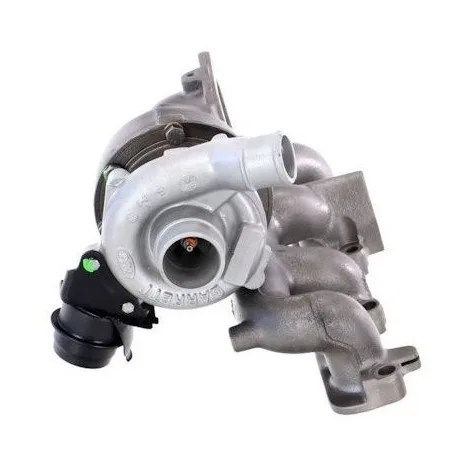
The 2.0 TDCi 131 HP turbocharged diesel engine powers a wide range of Ford models, from the Focus to the Transit, where the turbocharger plays a critical role in maintaining combustion efficiency and power delivery. This category is designed for professionals and owners who need a dependable exchange part without the delays of OEM ordering. Here, you will find remanufactured turbos that restore original performance while offering a sustainable alternative to new units, with compatibility verified down to the engine code and model year.
Our range is built on partnerships with leading remanufacturers like SL Turbo and Garrett, who specialize in core recovery and precision rebuilding. Each unit undergoes rigorous testing to ensure it meets the original equipment specifications, with a focus on longevity and consistent performance. The wholesale approach allows garages to maintain stock levels without tying up capital in unused inventory, while DIY owners benefit from access to professional-grade components at competitive prices.
Professional uses by trade
Whether you are a professional mechanic diagnosing a fault or a car owner tackling repairs yourself, the right turbocharger ensures your Ford 2.0 TDCi 131 HP runs smoothly. Below, we outline how each target audience can leverage this category to resolve issues efficiently and cost-effectively.
- Independent garage: Replace a failing turbocharger with a remanufactured unit to restore engine power and fuel efficiency without costly downtime.
- Stranded motorist: Order a direct-fit turbocharger to get your vehicle back on the road quickly, avoiding long waits for dealership parts.
- DIY enthusiast: Source a calibrated turbocharger to perform the replacement yourself, saving on labor costs while ensuring quality.
- German buyer (DACH): Purchase a reconditioned turbo for Ford 2.0 TDCi 131 HP with core deposit options, simplifying the return of the old unit.
- Fleet manager: Maintain multiple vehicles by keeping remanufactured turbos in stock, reducing emergency repair costs and downtime.
- Performance tuner: Upgrade or replace the turbocharger to enhance engine output while ensuring compatibility with the existing system.
- Classic car restorer: Find a remanufactured turbo for older Ford models to preserve authenticity without compromising reliability.
Range comparison
Below, you will find the available turbocharger options for the Ford 2.0 TDCi 131 HP, each listed with its reference, intended use, and packaging format to simplify your selection process.
| Range | Use | Format |
|---|---|---|
| SL Turbo 838417-5002S | direct replacement for common failures | |
| Turbo Garrett 838452-5003S | high-performance remanufactured unit | |
| Turbo Garrett 714467-5014S | OEM-compliant for warranty repairs |
How to choose
Selecting the right turbocharger for your Ford 2.0 TDCi 131 HP requires attention to compatibility, condition, and intended use. Below, we outline the key factors to consider before making your purchase.
- Verify engine code and model year to ensure the turbocharger matches your vehicle’s specifications without ambiguity.
- Check the condition of the unit—remanufactured turbos should show no signs of excessive wear or damage to the housing or shaft.
- Confirm the packaging format to ensure it aligns with your workshop’s storage and handling capabilities for bulk orders.
- Look for core deposit options if you need to return the old turbocharger, simplifying the exchange process and reducing costs.
- Prioritize units with a consistent track record of performance in similar applications to minimize the risk of premature failure.
- Ensure the turbocharger includes all necessary gaskets and mounting hardware for a straightforward installation.
- Opt for suppliers with a transparent return policy in case the unit does not meet your expectations upon arrival.
Storage & logistics
For workshops managing large inventories, storing remanufactured turbos for Ford 2.0 TDCi 131 HP requires careful handling to preserve their condition. Keep units in a climate-controlled environment to prevent moisture damage or corrosion, especially in regions with high humidity. Store cartridges and CHRA components separately to avoid contamination, and use original packaging or protective sleeves to shield them from dust and impacts. Regularly rotate stock to ensure older units are used first, maintaining freshness and reliability. Label each box with the reference number, model compatibility, and date of receipt to streamline inventory management and reduce the risk of misplacement or incorrect installations.
With over a decade of experience in turbocharger remanufacturing, our team understands the critical role these components play in keeping diesel engines running smoothly. We don’t just sell turbos—we provide solutions that restore performance and reliability, backed by a deep knowledge of engine systems and customer needs.— autoKUR team
Related categories
Browse our other ranges:
Useful references
For regulatory and sector references, see Reglement (UE) 461/2010 — pieces de rechange et garantie constructeur.