

Available products
3 references


Frequently asked questions
About this category
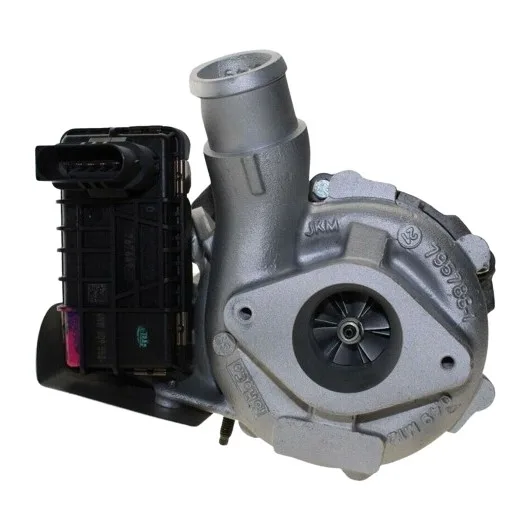
The 2.2 TDCi 115 hp turbocharger category addresses a common failure point in diesel engines, where loss of power, excessive smoke, or a whining noise signals turbo degradation. This section provides exchange standard turbos designed for direct replacement, eliminating the need for costly OEM purchases. Whether you're a mechanic sourcing for a client's vehicle or a car owner performing repairs yourself, these turbos are engineered to restore original performance levels without compromising reliability.
Each turbo in this range is remanufactured to OEM specifications, with core components like the CHRA (Center Housing Rotating Assembly) and variable geometry mechanisms restored to factory tolerances. The supply chain leverages wholesale distributors specializing in exchange standard parts, ensuring consistent availability and competitive pricing. This model allows garages to maintain stock levels efficiently while offering customers a cost-effective alternative to new turbos.
Professional uses by trade
Different users approach turbo replacement with distinct priorities: garages focus on turnaround time and compatibility, while DIYers prioritize ease of installation and documentation. This section breaks down how each group can leverage exchange standard turbos for their specific needs.
- Independent garage: Source turbos with pre-verified fitment to minimize diagnostic time and reduce comebacks. The turbos arrive ready for installation, with no additional adjustments required.
- DIY enthusiast: Purchase a turbo with clear OEM reference matching, accompanied by installation guides to simplify the process. This avoids the risk of mismatched parts or incorrect sizing.
- German buyer (DACH): Select turbos compatible with vehicles like the Ford Transit or Land Rover Defender, where 2.2 TDCi engines are common. The exchange standard format ensures compliance with local workshop standards.
- Fleet manager: Order turbos in bulk to maintain a rotating stock of exchange cores, reducing downtime for company vehicles. This approach balances cost and availability for high-mileage fleets.
- Classic car restorer: Find turbos for older 2.2 TDCi models where new parts are discontinued. Exchange standard units provide a viable path to restoring original performance.
- Trucking company: Replace failing turbos in commercial vehicles with units that meet heavy-duty requirements. The exchange standard format ensures durability under continuous operation.
- Performance tuner: Source turbos for 2.2 TDCi engines undergoing power upgrades, where exchange standard units offer a baseline for further modifications.
Range comparison
This comparison table highlights the key exchange standard turbos available for the 2.2 TDCi 115 hp, focusing on their practical applications and compatibility. Each option is presented with its core attributes to guide your selection.
| Range | Use | Format |
|---|---|---|
| SL Turbo 49131-05313 | Direct replacement for Ford models | |
| SL Turbo 854800-5001W | Land Rover Defender applications | |
| Turbo Garrett 767933-5015S | High-performance variants |
How to choose
Selecting the right turbo for your 2.2 TDCi 115 hp requires evaluating several factors, including packaging, preservation methods, and rotational stock practices. This section outlines the critical criteria to ensure a successful purchase.
- Packaging: Opt for turbos shipped in sealed, anti-corrosion bags to prevent moisture damage during storage or transit. This preserves the unit's condition until installation.
- Preservation: Choose turbos treated with rust inhibitors and stored in climate-controlled environments to maintain long-term reliability. This is especially important for garages with variable stock turnover.
- Rotational stock: Prioritize suppliers who rotate their inventory regularly to avoid stagnant units. Fresh stock reduces the risk of hidden defects or premature wear.
- Compatibility verification: Confirm the turbo matches the vehicle's OEM reference and motorization code before purchase. This avoids costly mismatches and return processes.
- Core deposit policy: Select suppliers offering clear core return procedures to streamline the exchange process. This ensures a smooth transaction when returning the old turbo.
- Brand consistency: Stick to reputable brands like SL Turbo or Garrett, known for consistent quality across their exchange standard lines. This minimizes variability in performance.
- Documentation: Request detailed installation guides and OEM cross-references with each turbo. This simplifies the process for both professionals and DIYers.
Storage & logistics
For garages and distributors, proper storage of exchange standard turbos is essential to maintain their condition and extend shelf life. Units should be kept in a dry, temperature-controlled environment away from direct sunlight and corrosive chemicals. Shelving systems with dividers prevent physical damage, while desiccant packs in packaging absorb excess moisture. Regular inventory audits help identify turbos nearing expiration dates, allowing for timely rotation or disposal. This approach ensures that every turbo delivered to a customer meets the same high standards as the day it was manufactured, reducing the risk of premature failure and customer dissatisfaction.
With over 15 years in the exchange standard turbo market, our team has seen firsthand how a well-sourced turbo can transform a vehicle's performance. We don’t just sell parts; we provide solutions that keep workshops running smoothly and car owners on the road.— autoKUR team
Related categories
Browse our other ranges:
Useful references
For regulatory and sector references, see Reglement (UE) 461/2010 — pieces de rechange et garantie constructeur.