

Available products
2 references
Frequently asked questions
About this category
The 2.2 TDCi 135 hp turbocharger category addresses a common failure point in diesel engines, where loss of power, excessive smoke, or unusual noises signal a compromised turbo system. This range is designed for mechanics, car owners performing repairs themselves, and German-speaking buyers seeking a no-frills exchange solution. Turbos in this category are remanufactured to restore factory-like performance, with a focus on durability and precise fitment.
As a wholesale specialist, we source turbos from reputable manufacturers and remanufacturers, ensuring each unit meets strict quality benchmarks before entering our inventory. The role of the wholesaler here is to bridge the gap between OEM specifications and aftermarket availability, providing garages and private buyers with a streamlined path to replacement.
Professional uses by trade
Different users approach turbo replacement with distinct priorities: garages need efficiency and reliability, DIYers seek simplicity, stranded motorists demand speed, and German buyers value clarity in references. Each profile benefits from a tailored approach to selecting the right turbo for the 2.2 TDCi 135 hp engine.
- Independent garage: Replace a failing turbo with a general-overhauled unit to restore engine performance and avoid costly downtime for customers.
- DIY enthusiast: Source a direct-fit turbocharger to complete repairs at home, using clear OEM references for confidence in compatibility.
- Stranded motorist: Order an exchange-standard turbo to get back on the road quickly, with options for core deposit to simplify returns.
- German buyer: Select a turbo based on exact motorization codes, ensuring seamless integration with the 2.2 TDCi 135 hp engine.
- Workshop manager: Stock turbos in bulk to reduce lead times and maintain a consistent supply for routine repairs.
- Passionate mechanic: Verify turbo specifications against vehicle motorization to ensure a precise match for optimal performance.
- Fleet operator: Source remanufactured turbos to minimize repair costs while maintaining vehicle reliability across multiple units.
Range comparison
This section compares two exchange-standard turbos designed for the 2.2 TDCi 135 hp engine, highlighting their key features and intended use cases. Each option is presented with its reference and format to simplify selection.
| Range | Use | Format |
|---|---|---|
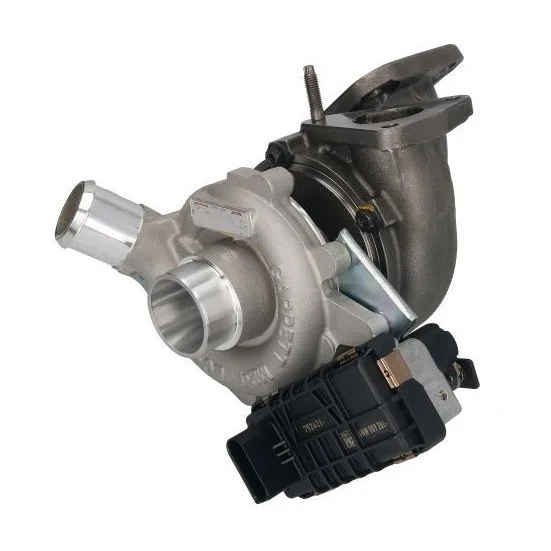
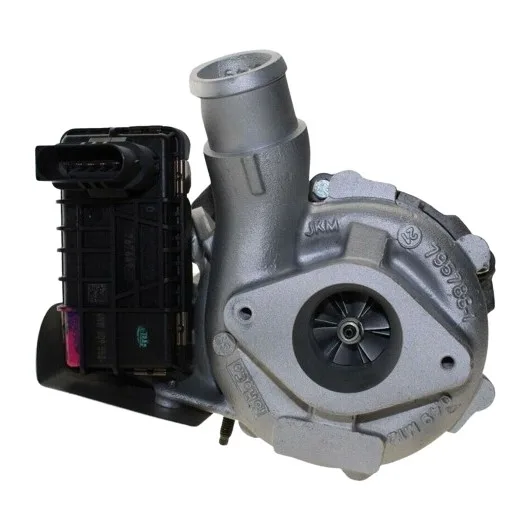
| SL Turbo 854800-5001W | Direct replacement for Ford models | |
| Turbo Garrett 753519-5009S | High-performance alternative for Ford engines |
How to choose
Selecting the right turbo for the 2.2 TDCi 135 hp engine requires attention to motorization codes, OEM equivalences, and the condition of the unit. Professionals should prioritize turbos with clear remanufacturing standards and compatible geometries.
- Verify the motorization code matches the vehicle’s engine to ensure a precise fit for the turbocharger.
- Check OEM references and equivalences to confirm compatibility with the 2.2 TDCi 135 hp system before ordering.
- Prefer turbos labeled as general-overhauled or remanufactured for consistent quality and restored performance.
- Assess the condition of the turbo’s core components, such as the CHRA and variable geometry, for signs of wear or damage.
- Opt for turbos with clear packaging and documentation to simplify returns and warranty claims if needed.
- Prioritize turbos from brands with a track record in diesel engine applications to ensure reliability.
- Consider the availability of core deposit options to reduce costs and streamline the exchange process.
Storage & logistics
For B2B buyers, proper storage of exchange-standard turbos is essential to maintain their condition until installation. Keep units in a dry, temperature-controlled environment away from direct sunlight and contaminants. Avoid stacking turbos to prevent damage to the housing or internal components. Regularly inspect stored turbos for signs of corrosion or seal degradation, and rotate inventory to ensure older units are used first. Clear labeling with motorization codes and references helps prevent mix-ups and ensures quick retrieval during repairs.
With over a decade of experience in turbo exchange, our team has refined the process of matching turbos to exact motorizations, ensuring garages and private buyers receive units that restore performance without surprises.— autoKUR team
Related categories
Browse our other ranges:
Useful references
For regulatory and sector references, see Reglement (UE) 461/2010 — pieces de rechange et garantie constructeur.