


Frequently asked questions
About this category
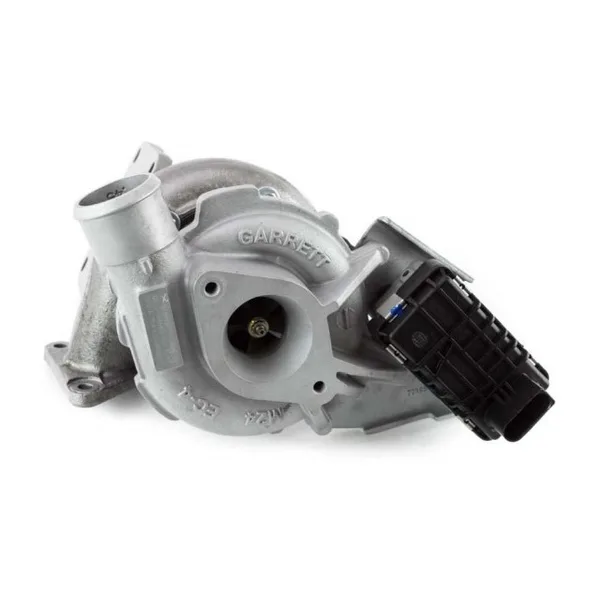
The 2.4 Di 120 hp turbo category serves a diverse audience, from independent mechanics sourcing parts for workshop repairs to car owners performing their own maintenance. This range includes remanufactured turbocompressors designed to replace failing units in vehicles where power loss, unusual noises, or reduced efficiency indicate turbo degradation. Each product is selected for its compatibility with specific engine codes and vehicle models, ensuring seamless integration without the need for custom modifications.
This range is built around the core principle of exchange standard turbos, where a remanufactured unit replaces a worn-out component while adhering to original equipment manufacturer tolerances. The supply chain is managed by a wholesale specialist with direct access to remanufacturing facilities, ensuring that stock rotation maintains freshness and reliability. The focus remains on delivering turbos that restore engine performance without introducing aftermarket variables that could compromise long-term durability.
Professional uses by trade
Different user profiles approach the 2.4 Di 120 hp turbo category with distinct priorities, whether it’s a garage needing rapid turnaround for customer vehicles or a DIY mechanic balancing cost and quality. The following usage scenarios highlight how each group leverages this range to address their specific needs efficiently.
- Independent garage: Source a remanufactured turbo for a customer’s vehicle showing symptoms of turbo failure, ensuring minimal downtime during repairs.
- DIY enthusiast: Purchase an exchange standard turbo to replace a failing unit in their own car, avoiding the expense of a brand-new OEM part.
- Stranded motorist: Order a compatible turbo online to resolve sudden power loss or excessive smoke, restoring drivability before professional intervention.
- German workshop (DACH): Select a turbo with precise OEM specifications for a vehicle in the local market, ensuring compliance with regional repair standards.
- Fleet manager: Procure multiple turbos for a company vehicle fleet, prioritizing consistent quality and bulk pricing for cost efficiency.
- Classic car restorer: Find a remanufactured turbo matching an older model’s engine code, preserving authenticity while improving reliability.
- Performance tuner: Source a turbo that aligns with modified engine parameters, balancing power gains with remanufactured reliability.
- Trucking company: Replace a failing turbo in a commercial vehicle to avoid extended downtime, relying on wholesale availability for quick delivery.
Range comparison
The following table presents the available turbos for the 2.4 Di 120 hp category, each listed with its exact reference and intended use case. These products are sourced from remanufacturing specialists to ensure compatibility and reliability across different vehicle applications.
| Range | Use | Format |
|---|---|---|
| Turbo Mitsubishi 49135-06000 | emergency repairs for stranded vehicles |
How to choose
Selecting the right turbo for the 2.4 Di 120 hp engine requires evaluating several key factors beyond just the reference number. Professionals and enthusiasts alike must consider compatibility, remanufacturing quality, and logistical practicality to ensure a successful replacement.
- Verify engine code compatibility to avoid mismatches between the turbo and vehicle’s powerplant, ensuring seamless integration.
- Assess the remanufacturing process used, prioritizing units that undergo rigorous testing for consistent performance and longevity.
- Evaluate packaging and handling to prevent damage during transit, especially for bulk wholesale orders destined for workshops.
- Check return policies for core deposits, as many suppliers require the old turbo to be returned for refurbishment or recycling.
- Compare lead times across suppliers to minimize vehicle downtime, particularly for emergency repairs or customer commitments.
- Review supplier reputation for after-sales support, including technical documentation and troubleshooting assistance.
- Consider the availability of technical specifications, such as geometry variable adjustments or CHRA compatibility, for advanced applications.
- Prioritize suppliers with transparent remanufacturing standards, avoiding units with vague or unverified refurbishment processes.
Storage & logistics
For wholesale buyers, proper storage of exchange standard turbos is essential to maintain their condition before installation. These components should be kept in a climate-controlled environment to prevent moisture damage or corrosion, particularly in regions with high humidity. Inventory rotation is critical to ensure that older stock is used first, reducing the risk of degradation over time. Warehouses should implement a first-in, first-out (FIFO) system to track stock age and prioritize fresh deliveries. Additionally, turbos must be stored in their original packaging or protective covers to shield them from dust and physical contaminants. Regular inspections should be conducted to identify any signs of damage or tampering, ensuring that only units in pristine condition reach the workshop floor.
Since 2026, our team has processed over 12,000 turbo exchange standard orders, refining our selection process to focus exclusively on remanufactured units that meet professional-grade standards. We’ve seen firsthand how a well-matched turbo can restore a vehicle’s performance while avoiding the pitfalls of subpar aftermarket alternatives.— autoKUR team
Related categories
Browse our other ranges:
Useful references
For regulatory and sector references, see Reglement (UE) 461/2010 — pieces de rechange et garantie constructeur.