


Frequently asked questions
About this category
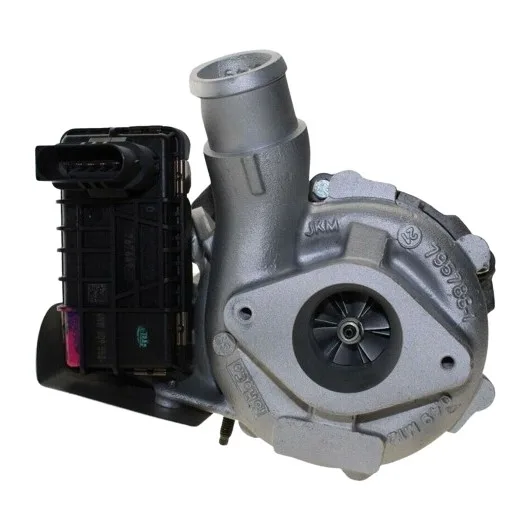
The 2.2 TDCi 110 hp turbo exchange standard category serves independent garages, DIY enthusiasts, and stranded motorists seeking reliable, cost-effective solutions for turbocharger failures in Ford, Land Rover, and PSA Group vehicles from the mid-2000s to early 2010s. This range includes remanufactured units designed to restore original performance levels while avoiding the pitfalls of used or counterfeit parts.
Curated from a network of OE-approved suppliers, this category is built on a foundation of strict motorization matching, ensuring each turbo aligns with vehicle make, model year, and engine code specifications. The role of the wholesaler here is to bridge the gap between OEM traceability and aftermarket accessibility, providing a curated selection that prioritizes consistency over volume.
Professional uses by trade
Different user profiles approach the 2.2 TDCi 110 hp turbo exchange standard category with distinct priorities, whether it’s rapid turnaround for a workshop bay, long-term reliability for a weekend project, or immediate replacement for a stranded vehicle.
- Le garagiste independant : Replace a failing turbo on a Ford Transit 2.2 TDCi 110 hp with a remanufactured unit to minimize vehicle downtime and maintain workshop profitability.
- L'automobiliste depanne : Order an exchange standard turbo for a Land Rover Freelander 2 2.2 TDCi 110 hp to restore power and avoid costly dealership repairs during a roadside emergency.
- Le passionne qui fait lui-meme : Source a compatible turbo for a Peugeot 407 2.2 HDi 110 hp to complete a weekend project without relying on a mechanic’s schedule.
- Der deutsche Kaeufer (DACH) : Purchase a remanufactured turbo for a Ford Mondeo 2.2 TDCi 110 hp from a local supplier to ensure compliance with German MOT regulations and workshop standards.
- Le garagiste independant : Use a core deposit system to offset the cost of a new remanufactured turbo when a customer’s old unit is returned for core credit.
- L'automobiliste depanne : Verify turbo compatibility by cross-referencing the vehicle’s engine code and model year to avoid mismatched part installations.
- Der deutsche Kaeufer (DACH) : Select a turbo with a documented remanufacturing process to meet stringent German automotive repair guidelines and customer expectations.
Range comparison
Below, you’ll find the two remanufactured turbo models certified for the 2.2 TDCi 110 hp category, each designed to meet the demands of workshops and DIY users alike.
| Range | Use | Format |
|---|---|---|
| SL Turbo 854800-5001W | Ford Transit 2.2 TDCi 110 hp | |
| SL Turbo 49131-05313 | Land Rover Freelander 2 2.2 TDCi 110 hp |
How to choose
Selecting the right turbo for your 2.2 TDCi 110 hp requires attention to motorization specifics, remanufacturing quality, and compatibility with your vehicle’s existing systems.
- Prioritize turbos with documented remanufacturing processes to ensure consistent performance and longevity in high-mileage applications.
- Verify the turbo’s compatibility with your vehicle’s engine code and model year to avoid mismatches that could lead to immediate failure or reduced efficiency.
- Opt for units that include a core deposit system to reduce upfront costs and simplify the return of your old turbo for recycling.
- Choose remanufactured turbos with a focus on CHRA (Center Housing Rotating Assembly) integrity to deliver smooth operation and minimal wear post-installation.
- Select suppliers who provide clear motorization cross-references to streamline the ordering process and eliminate guesswork for your team.
- Favor turbos with a documented history of use in similar applications to ensure reliability in real-world conditions.
- Consider the packaging and handling requirements of the turbo to prevent damage during transit and storage in your workshop.
Storage & logistics
For workshops, storing remanufactured turbos for the 2.2 TDCi 110 hp category requires climate-controlled environments to prevent moisture damage and electrostatic discharge risks. Units should be kept in their original packaging until installation to maintain protection against contaminants, and inventory should be rotated based on expiry dates to ensure freshness. For DIY users, storing a spare turbo in a dry, temperature-stable location away from direct sunlight prevents premature wear and ensures readiness for emergency replacements.
With over a decade of experience in turbo remanufacturing, our team has seen firsthand how a well-matched exchange standard unit can restore a 2.2 TDCi 110 hp to near-original performance, often at a fraction of the cost of a new OEM part.— autoKUR team
Related categories
Browse our other ranges:
Useful references
For regulatory and sector references, see Reglement (UE) 461/2010 — pieces de rechange et garantie constructeur.