
Available products
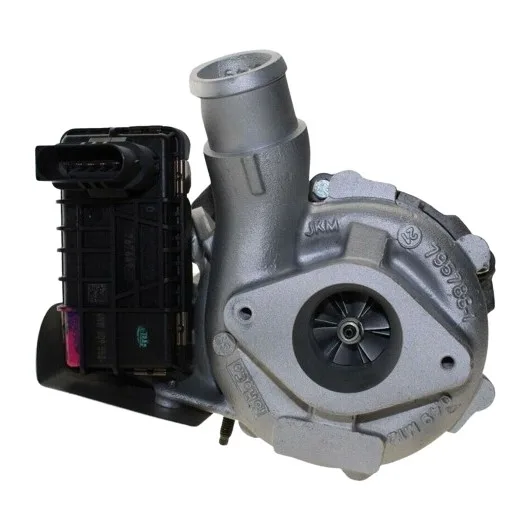
In stock
For the FORD Transit 3 in 2.2 TDCi 101 hp (74 kW diesel), the autoKUR catalogue holds 1 exchange-standard reference(s). At equal displacement, two outputs do not call for the same part.
Engine specification: 2198 cm³, diesel, built from 01/2011 to 12/2014. Matching part number: 854800-5001W (SL Turbo). Compare with the code stamped on your part.
Other engines of the FORD Transit 3: 3.0 TURBO 279 hp, 3.2 TDCi 200 hp, 2.2 TDCi 155 hp. If the code stamped on your part is legible, search by reference remains the safest route. 24-month warranty.
Related categories
Frequently asked questions
About this category
This category is dedicated to the 2.2 TDCi 101 HP engine, a workhorse found in Ford models from the mid-2000s to early 2010s. It includes turbocompressors designed for exchange-standard applications, where the focus is on restoring function rather than replacing the entire assembly. Whether you’re a mechanic diagnosing a loss of boost or a DIY enthusiast tackling a repair, these turbos provide a reliable solution backed by remanufacturing expertise.
The range is built around core components like variable geometry turbines and CHRA cartridges, sourced from suppliers who specialize in diesel engine turbos. The wholesale model ensures that garages and repair shops have access to high-quality parts at competitive prices, reducing lead times and improving turnaround for customers. This approach aligns with the needs of independent workshops that prioritize efficiency and cost control.
Professional uses by trade
Different users approach turbo replacement with distinct priorities. Garages focus on compatibility and quick fitment, while DIY enthusiasts may prioritize cost and ease of installation. German buyers, in particular, value precision and adherence to OEM standards, ensuring the turbo integrates seamlessly with their vehicle’s systems.
- Le garagiste independant : Replace a failing turbo with a remanufactured unit to minimize vehicle downtime and maintain customer trust in your workshop’s reliability.
- L'automobiliste depanne : Restore your Ford’s 2.2 TDCi 101 HP engine’s performance by swapping out the turbo with a tested exchange-standard unit, avoiding costly dealership repairs.
- Le passionne qui fait lui-meme : Source a direct-fit turbo for your project car, ensuring the part matches your engine’s specifications without unnecessary modifications.
- Der deutsche Kaeufer (DACH) : Choose a turbo that meets OEM standards for your Ford, ensuring long-term reliability and compliance with local regulations for diesel engines.
- Le garagiste independant : Use turbos with pre-installed cartridges to simplify installation and reduce the risk of misalignment during reassembly.
- L'automobiliste depanne : Opt for a turbo with a known core deposit policy to avoid unexpected costs when returning your old unit for recycling.
- Der deutsche Kaeufer (DACH) : Select a turbo designed for the 2.2 TDCi 101 HP to ensure compatibility with your vehicle’s engine management system and emissions controls.
Range comparison
The following table compares the available turbos for the 2.2 TDCi 101 HP, highlighting their key features and intended use cases. Each option is designed to meet the demands of professional repair and DIY installation alike.
| Range | Use | Format |
|---|---|---|
| SL Turbo 854800-5001W | DIY enthusiast project compatibility |
How to choose
Selecting the right turbo for your 2.2 TDCi 101 HP engine requires attention to several key factors. These include the turbo’s internal design, its compatibility with your vehicle’s model year, and the condition of the core you’re exchanging.
- Verify the turbo’s variable geometry mechanism to ensure it matches your engine’s boost requirements and responds correctly to load changes.
- Check the turbo’s CHRA cartridge for signs of wear or corrosion, as this component is critical to the turbo’s long-term performance and efficiency.
- Confirm the turbo’s OEM reference number to deliver a direct fit, avoiding the need for modifications or additional adapters during installation.
- Assess the core deposit policy to understand the return process for your old turbo, ensuring transparency and cost control in the exchange.
- Prioritize turbos with a consistent remanufacturing process, as this ensures the internal components meet the standards expected in professional repair environments.
- Evaluate the turbo’s packaging and handling instructions to prevent damage during transit, which is especially important for DIY installations.
- For German buyers, ensure the turbo complies with local emissions regulations and engine management system requirements to avoid legal or technical issues.
Storage & logistics
Storing exchange-standard turbos requires controlled conditions to maintain their condition until installation. Keep units in a dry, temperature-stable environment away from direct sunlight and contaminants like dust or oil. For bulk storage, use sealed containers or climate-controlled shelving to prevent moisture buildup, which can damage internal components. Always handle turbos with care, avoiding impacts or drops that could misalign the CHRA cartridge or variable geometry mechanism. Label each unit with its reference number and model compatibility to streamline retrieval during busy workshop periods.
With over a decade of experience in turbo remanufacturing, our team understands the critical role these components play in keeping Ford’s 2.2 TDCi engines running smoothly. We source only the highest-quality cores and apply rigorous testing to ensure each turbo meets the standards of independent workshops and DIY enthusiasts alike.— autoKUR team
Related categories
Browse our other ranges:
Useful references
For regulatory and sector references, see Reglement (UE) 461/2010 — pieces de rechange et garantie constructeur.