


Frequently asked questions
About this category
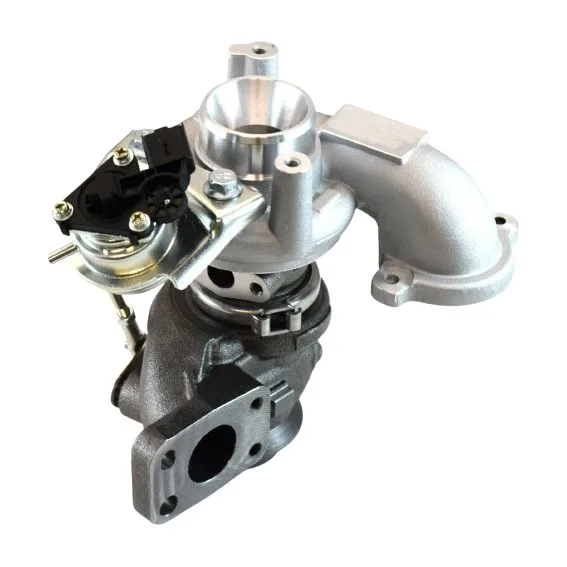
This category focuses exclusively on the 1.6 TDCi 95 hp turbocharger exchange standard, a vital component for Ford diesel engines where power loss, excessive smoke, or unusual noises signal potential turbo failure. Whether you're a professional mechanic diagnosing a vehicle or an owner performing repairs yourself, finding the right turbocharger that matches your engine's specifications is essential for restoring optimal performance.
The range is curated through partnerships with leading remanufacturers who specialize in diesel turbocharger refurbishment, ensuring each unit undergoes rigorous testing before being made available. This approach eliminates the unpredictability of used parts while providing a cost-effective alternative to new OEM turbos, all while maintaining the high standards expected in professional automotive repair.
Professional uses by trade
Different users approach turbocharger replacement with distinct priorities: garages prioritize compatibility and bulk availability, stranded motorists seek immediate solutions, DIY enthusiasts value precision matching, and German buyers expect adherence to local automotive standards and documentation.
- Independent garage: Source remanufactured turbos with OEM reference alignment to minimize diagnostic errors and reduce vehicle return rates during repairs.
- Stranded motorist: Find a direct replacement turbo that restores engine performance without waiting for factory-ordered parts or visiting a dealership.
- DIY enthusiast: Select a turbocharger with clear compatibility notes to ensure correct installation and avoid costly mistakes during self-repairs.
- German buyer: Access turbos that meet European automotive standards with documentation in German, ensuring seamless integration into local repair workflows.
- Workshop manager: Order bulk quantities of exchange turbos to maintain consistent stock levels and reduce emergency procurement costs for common engine failures.
- Fleet operator: Replace failing turbos across multiple vehicles with standardized exchange units to maintain operational reliability and reduce downtime.
- Classic car restorer: Source turbos for older 1.6 TDCi models where original parts are scarce, ensuring the vehicle retains its intended performance characteristics.
Range comparison
Below, you will find the available turbocharger exchange standard options for the 1.6 TDCi 95 hp, each listed with its reference, intended use, and packaging format to simplify your selection process.
| Range | Use | Format |
|---|---|---|
| SL Turbo 49373-02013 | Direct replacement for 95 hp engines |
How to choose
Selecting the right turbocharger requires careful consideration of several factors beyond just the engine code, including packaging suitability, storage conditions, and rotational consistency to ensure long-term reliability.
- Verify OEM reference alignment to ensure the turbo matches your engine’s exact specifications and avoids installation mismatches.
- Assess packaging format to determine whether bulk storage or individual handling better suits your workshop or personal storage capabilities.
- Check rotational direction and shaft alignment to prevent mechanical stress during installation and ensure smooth engine operation post-replacement.
- Evaluate core deposit policies to understand return procedures for your old turbo and potential cost savings on the new unit.
- Confirm compatibility with your vehicle’s model year and power output to avoid purchasing a turbo designed for a different engine variant.
- Review documentation language to ensure clear instructions and compliance with local automotive repair standards, especially for German buyers.
- Prioritize turbos from remanufacturers with a track record of consistent quality to minimize the risk of premature failure or performance issues.
Storage & logistics
For professional buyers, proper storage of exchange turbos is critical to maintaining their condition until installation. Store units in a dry, temperature-controlled environment away from direct sunlight and contaminants like dust or oil residues. Bulk packaging should remain sealed until use to prevent moisture ingress or component degradation. Rotate stock regularly to ensure older units are used first, maintaining freshness and reliability. For individual buyers, a clean, dry space like a garage shelf or dedicated cabinet suffices, provided the turbo is protected from physical damage and environmental exposure.
With over a decade in turbocharger remanufacturing, our team has seen how a single mismatched or poorly stored turbo can disrupt a repair schedule—this is why we emphasize precision in reference matching and meticulous storage practices to deliver consistent results every time.— autoKUR team
Related categories
Browse our other ranges:
Useful references
For regulatory and sector references, see Reglement (UE) 461/2010 — pieces de rechange et garantie constructeur.