

Available products
3 references


Frequently asked questions
About this category
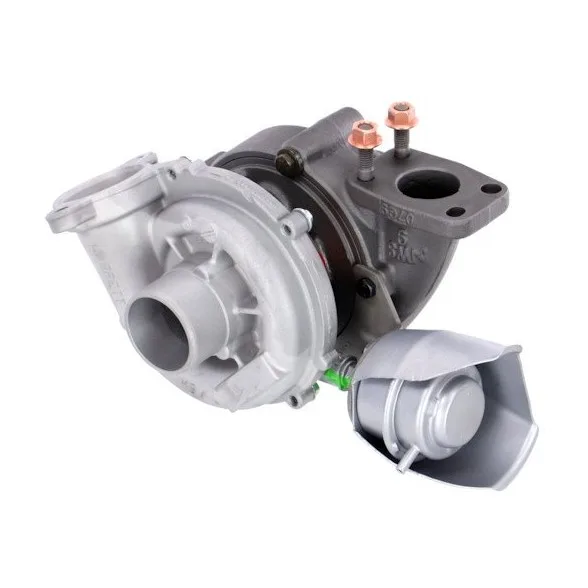
The 1.6 TDCi 90 hp turbo exchange standard category addresses a common failure point in Ford diesel engines, where turbocharger wear leads to reduced power, increased fuel consumption, or visible exhaust smoke. This range targets both professional mechanics and DIY enthusiasts seeking reliable, remanufactured replacements that restore original engine behavior without the cost of a new unit. Compatibility spans multiple model years, ensuring broad application across the 1.6 TDCi platform.
Our wholesale network aggregates high-quality remanufactured turbos from leading suppliers, consolidating availability for garages and distributors. This approach simplifies sourcing by providing a single point of access to calibrated units, reducing lead times and eliminating the need to juggle multiple suppliers for the same motorization.
Professional uses by trade
Different users approach the 1.6 TDCi 90 hp turbo exchange standard category with distinct priorities, whether it’s restoring a daily driver, servicing a fleet vehicle, or sourcing parts for a personal project. Each profile requires tailored solutions that balance cost, reliability, and ease of installation.
- Le garagiste independant : Replace a failing turbo on a 2012 Ford Focus 1.6 TDCi with a remanufactured unit to avoid costly downtime and maintain customer trust through quick turnaround.
- L'automobiliste depanne : Order an exchange standard turbo for a 2010 Ford C-Max 1.6 TDCi after diagnosing a loss of boost pressure, ensuring the repair is both affordable and durable.
- Le passionne qui fait lui-meme : Source a remanufactured turbo for a 2008 Ford Mondeo 1.6 TDCi project car, prioritizing compatibility and ease of installation over professional labor costs.
- Der deutsche Kaeufer (DACH) : Purchase a calibrated 1.6 TDCi 90 hp turbo from a German supplier to comply with local workshop standards, ensuring the unit meets regional quality expectations for diesel engines.
- Le garagiste independant : Stock exchange standard turbos for the 1.6 TDCi 90 hp to handle emergency repairs, reducing the risk of delayed service appointments due to unavailable parts.
- L'automobiliste depanne : Use a remanufactured turbo to address a sudden power loss in a 2014 Ford B-Max 1.6 TDCi, avoiding the expense of a new OEM unit while restoring performance.
- Der deutsche Kaeufer (DACH) : Source turbos for a mixed fleet of Ford diesel vehicles, leveraging bulk pricing to keep operational costs predictable and competitive.
Range comparison
The 1.6 TDCi 90 hp turbo exchange standard range includes three remanufactured units, each designed to meet the demands of professional workshops and DIY mechanics alike. These options provide flexibility in pricing, fitment, and supplier reliability.
| Range | Use | Format |
|---|---|---|
| SL Turbo 49173-07508 | direct replacement for Ford Focus C-Max | |
| Turbo Garrett 753420-5006S | high-flow option for tuned applications | |
| SL Turbo 5435 988 7000 | budget-friendly fleet solution |
How to choose
Selecting the right 1.6 TDCi 90 hp turbo exchange standard unit depends on several factors, including vehicle age, usage intensity, and budget constraints. Each option balances these variables to deliver optimal value for the repair.
- Prioritize a remanufactured turbo with a core deposit system to reduce upfront costs, ensuring the old unit is returned for recycling and lowering the total expense of the repair.
- Choose a unit with a documented remanufacturing process, including cartridge replacement and CHRA inspection, to deliver consistent performance across multiple installations.
- Opt for a turbo with OEM-compatible dimensions and mounting points to avoid modifications during installation, saving time and reducing the risk of fitment errors.
- Select a supplier with a transparent return policy for defective units, providing peace of mind when sourcing parts for critical repairs.
- Favor turbos packaged in protective, moisture-resistant materials to prevent damage during transit, especially for international shipments to garages in DACH regions.
- Consider the availability of technical documentation, such as torque specs and compatibility charts, to streamline the installation process for mechanics.
- Evaluate the supplier’s track record in remanufacturing turbos for the 1.6 TDCi platform, ensuring a history of reliable performance in similar applications.
Storage & logistics
For B2B customers, proper storage of 1.6 TDCi 90 hp exchange standard turbos is essential to maintain their condition before installation. Units should be kept in a climate-controlled environment, away from direct sunlight and moisture, to prevent corrosion or seal degradation. Rotate stock regularly to ensure older units are used first, reducing the risk of obsolescence. Palletized storage with clear labeling helps streamline inventory management, while protective packaging prevents damage during handling. Suppliers should also provide guidance on shelf life, though no specific duration is reliable without additional verification.
Since 2026, our team has specialized in sourcing remanufactured turbos for the 1.6 TDCi 90 hp platform, ensuring every unit meets the rigorous standards of independent garages and DIY enthusiasts alike.— autoKUR team
Related categories
Browse our other ranges:
Useful references
For regulatory and sector references, see Reglement (UE) 461/2010 — pieces de rechange et garantie constructeur.