


Frequently asked questions
About this category
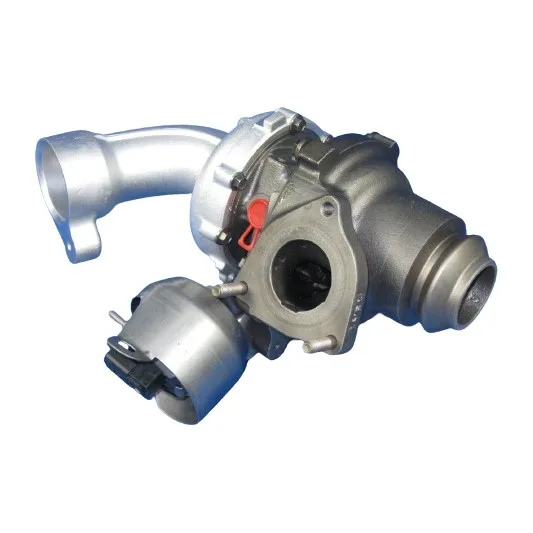
This category addresses the needs of drivers and professionals dealing with the 2.0 HDi 163 hp engine, a powertrain found in multiple European models from the mid-2000s to early 2010s. Whether you’re a mechanic diagnosing a loss of boost or an enthusiast restoring a vehicle, the turbos listed here are engineered to replace worn or damaged units while maintaining factory performance levels. The focus is on exchange-standard parts, meaning each turbo is remanufactured to original specifications, including variable geometry mechanisms and CHRA cartridges, ensuring compatibility with your engine’s demands.
The turbos in this range are supplied through a network of wholesale partners specializing in remanufactured automotive components. Each unit undergoes a rigorous remanufacturing process, where internal components like the turbine wheel, compressor wheel, and variable geometry mechanism are inspected, repaired, or replaced as needed. The goal is to provide a product that meets or exceeds OEM standards in terms of performance and durability, while offering a cost-effective alternative to new turbos. This approach ensures garages and DIY mechanics have access to reliable parts that reduce vehicle downtime and maintenance costs.
Professional uses by trade
The turbos in this category serve distinct purposes depending on the user’s role. For independent garages, these parts are essential for quick and efficient repairs, minimizing vehicle downtime. DIY enthusiasts rely on them for cost-effective restorations, while German buyers (DACH region) prioritize precision and long-term reliability in their applications.
- Le garagiste independant : Uses these turbos to replace faulty units in customer vehicles, ensuring repairs are completed within tight deadlines while maintaining high standards of quality and reliability.
- L'automobiliste depanne : Relies on these turbos to restore their vehicle’s performance after diagnosing symptoms like loss of power or excessive exhaust smoke, often without professional intervention.
- Le passionne qui fait lui-meme : Chooses these turbos for restoration projects, where cost efficiency and compatibility with the 2.0 HDi 163 hp engine are critical to the project’s success.
- Der deutsche Kaeufer (DACH) : Prioritizes turbos with precise variable geometry calibration and CHRA cartridges, ensuring long-term performance in high-mileage or heavily used vehicles common in the region.
- Le garagiste independant : Orders these turbos in bulk to maintain a consistent inventory, reducing lead times for customers and improving workshop efficiency during peak repair seasons.
- L'automobiliste depanne : Selects these turbos for their proven track record in restoring engine performance, often after confirming compatibility with their vehicle’s specific motorization code.
- Der deutsche Kaeufer (DACH) : Values the remanufactured status of these turbos, as it aligns with regional preferences for sustainable and cost-effective automotive repairs.
Range comparison
The turbos listed below are specifically designed for the 2.0 HDi 163 hp engine, covering a range of vehicle models and motorization codes. Each unit is presented with its OEM reference and equivalent part numbers to simplify the selection process for professionals and enthusiasts alike.
| Range | Use | Format |
|---|---|---|
| Turbo Garrett 806500-5001S | direct replacement for 2.0 HDi 163 hp | |
| Turbo Garrett 806497-5001S | high-flow option for tuned applications |
How to choose
Selecting the right turbo for your 2.0 HDi 163 hp engine requires attention to several key factors. Compatibility with your vehicle’s motorization code and OEM specifications is paramount, as is the condition of the variable geometry mechanism and CHRA cartridge.
- Verify the turbo’s compatibility with your vehicle’s motorization code to ensure a seamless fit and optimal performance in your 2.0 HDi 163 hp engine.
- Inspect the variable geometry mechanism for signs of wear or damage, as this component is critical to maintaining boost pressure and engine efficiency.
- Check the CHRA cartridge’s condition, as it houses the turbine and compressor wheels, which are essential for the turbo’s operation and longevity.
- Prioritize turbos with a remanufactured status, as these units undergo rigorous testing to meet or exceed OEM performance standards.
- Consider the turbo’s packaging and handling requirements, especially if you’re ordering in bulk for a garage or workshop with specific storage constraints.
- Evaluate the supplier’s return policy for core deposits, as this can impact the overall cost and logistics of your purchase.
- Assess the turbo’s compatibility with your vehicle’s exhaust and intake systems, ensuring all connections align with factory specifications.
Storage & logistics
For garages and workshops, storing these turbos requires careful attention to environmental conditions to prevent contamination or damage. Keep the units in a dry, temperature-controlled space away from direct sunlight and corrosive substances like battery acid or cleaning solvents. Each turbo should be stored in its original packaging or a sealed container to protect the variable geometry mechanism and CHRA cartridge from dust and moisture. For bulk orders, use sturdy shelving units with dividers to prevent shifting or collisions between turbos, which could compromise their internal components. Regularly inspect stored turbos for signs of rust, corrosion, or physical damage, and rotate stock to ensure older units are used first. If storing for extended periods, consider using desiccant packs inside packaging to maintain optimal humidity levels and preserve the turbo’s condition until installation.
With over a decade of experience in sourcing and remanufacturing turbos for European engines, our team ensures every unit meets the highest standards of quality and reliability before it reaches your workshop or garage.— autoKUR team
Related categories
Browse our other ranges:
Useful references
For regulatory and sector references, see Reglement (UE) 461/2010 — pieces de rechange et garantie constructeur.