


Frequently asked questions
About this category
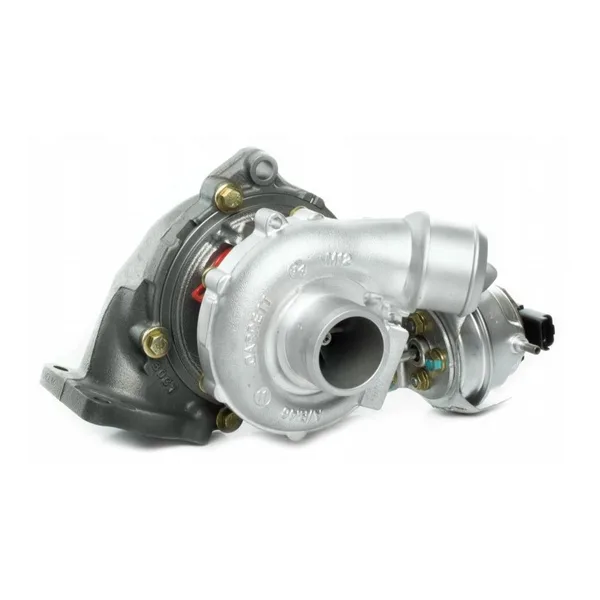
The 2.0 TDCi 140 hp turbocharger category addresses a common failure point in diesel engines, where loss of power, excessive smoke, or unusual noises signal a worn or damaged turbo. This section is designed for mechanics, car owners, and enthusiasts who need a high-quality replacement part that matches the original specifications. Whether you're repairing a Ford Transit, Volvo V70, or another compatible model, the turbos listed here are engineered for seamless integration.
This range is curated by a specialist wholesaler with deep expertise in diesel engine components, ensuring each turbo meets strict remanufacturing standards. The parts are sourced from leading manufacturers and undergo rigorous testing before being made available. The focus is on providing a reliable, cost-effective alternative to new OEM turbos, with the added benefit of reduced environmental impact through part reuse.
Professional uses by trade
Different users approach turbo replacement with distinct priorities: garages prioritize efficiency and bulk availability, while DIYers seek clarity and ease of installation. This section outlines how each group can leverage the 2.0 TDCi 140 hp turbo options to resolve performance issues quickly and affordably.
- Independent garage: Replace a failing turbo with a remanufactured unit to restore engine power and fuel efficiency without overhauling the entire system.
- Stranded motorist: Order an exchange turbo to get back on the road while waiting for professional installation, avoiding costly towing fees.
- DIY enthusiast: Source a direct-fit turbo to perform the replacement yourself, using clear compatibility data and minimal tools.
- German buyer (DACH): Purchase a high-quality remanufactured turbo for the 2.0 TDCi 140 hp, ensuring compliance with local automotive standards and environmental regulations.
- Volvo V70 owner: Address turbo lag or excessive smoke by selecting a compatible exchange unit, restoring smooth acceleration and reduced emissions.
- Ford Transit fleet manager: Maintain vehicle uptime by stocking exchange turbos for the 2.0 TDCi 140 hp, reducing downtime during repairs.
- Passionate tuner: Upgrade or replace a worn turbo to improve engine response, while ensuring the new part meets OEM-like performance benchmarks.
Range comparison
Below are the two primary turbocharger options for the 2.0 TDCi 140 hp, each listed with its reference, intended use, and standard bulk packaging. These parts are designed to fit seamlessly into the engine bay, requiring no modifications.
| Range | Use | Format |
|---|---|---|
| SL Turbo 760774-5003S | Direct replacement for Ford models | |
| Turbo Garrett 806498-5003S | Volvo and compatible diesel platforms |
How to choose
Selecting the right turbo for the 2.0 TDCi 140 hp requires attention to compatibility, remanufacturing quality, and logistical support. This section highlights the key factors professionals and owners should consider before purchasing.
- Verify the turbo’s reference matches your vehicle’s engine code to avoid fitment issues or performance mismatches.
- Prioritize turbos with a documented remanufacturing process, including core cleaning, bearing replacement, and performance testing.
- Check the packaging for clear labeling and protective measures to ensure the part arrives undamaged and ready for installation.
- Confirm the supplier’s return policy for core deposits, as many exchange turbos require returning the old unit to avoid additional fees.
- Assess the supplier’s stock rotation to deliver fresh, recently remanufactured units rather than long-stored inventory.
- Evaluate the supplier’s customer support for technical queries, especially for less common vehicle applications.
- Consider the warranty terms, which should cover defects but not installation or misuse by third parties.
Storage & logistics
Bulk turbos for the 2.0 TDCi 140 hp must be stored in a climate-controlled environment to prevent moisture damage or corrosion. Pallets should be stacked on stable, flat surfaces with adequate spacing for ventilation. Regular inventory checks are essential to track usage and prevent obsolescence, especially for less common references. Suppliers should provide clear handling instructions to avoid mishandling, which could compromise the turbo’s internal components or sealing surfaces.
With over a decade of experience in diesel engine components, our team has seen how a well-chosen exchange turbo can transform a vehicle’s performance overnight. We don’t just sell parts—we provide solutions that keep workshops running and motorists moving.— autoKUR team
Related categories
Browse our other ranges:
- 1.5 EcoBoost 182 hp
- 1.6 EcoBoost 182 hp
- 2.0 TDCi 163 hp
- 1.5 EcoBoost 150 hp
- 1.6 EcoBoost 150 hp
- 1.6 Flexifuel 150 hp
Useful references
For regulatory and sector references, see Reglement (UE) 461/2010 — pieces de rechange et garantie constructeur.