

Available products
4 references


Frequently asked questions
About this category
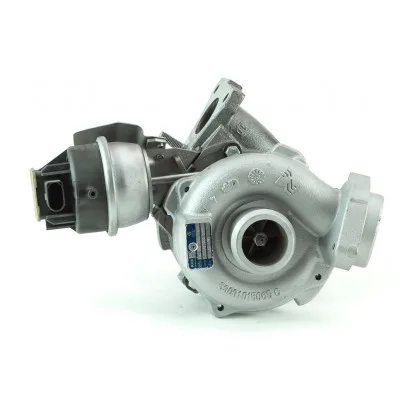
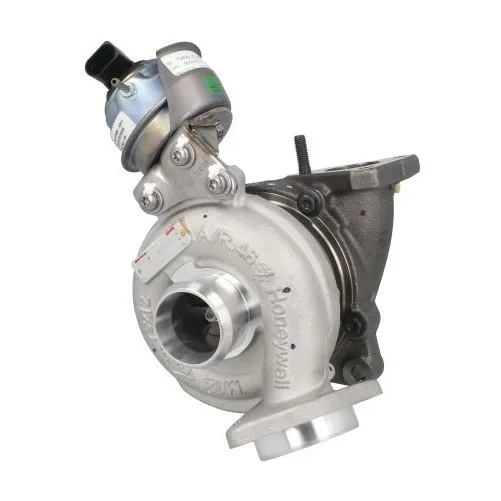
The 2.0 TDI 143 hp turbo exchange standard category addresses a critical need for diesel engine owners and repair professionals seeking reliable, cost-effective solutions for power loss, excessive smoke, or turbo failure symptoms. This range includes remanufactured turbos, high-pressure injectors, and pumps designed for direct fitment on Volkswagen, Audi, Skoda, and Seat models equipped with the 2.0 TDI engine family. Whether you are a DIY enthusiast or a professional mechanic, this category provides the essential components to restore engine performance without compromising quality.
Each product in this range is sourced from leading remanufacturers who specialize in diesel engine components, ensuring compatibility with the 2.0 TDI 143 hp platform. The grossist role is pivotal here, as it bridges the gap between high-volume production and the end-user, offering bulk packaging and core deposit options to streamline logistics and reduce costs for workshops and private buyers alike.
Professional uses by trade
Different users approach the 2.0 TDI 143 hp turbo exchange standard category with distinct priorities, from workshop efficiency to personal project budgets. Garages prioritize bulk availability and fast turnaround, while DIYers focus on single-unit affordability and ease of installation.
- Garagist: Replace a failing turbocharger with a remanufactured unit to restore engine power and fuel efficiency without costly downtime.
- DIY enthusiast: Source a single turbo exchange standard to complete a weekend project on a 2010 Audi A4 2.0 TDI 143 hp.
- German buyer: Order a KKK 5303 988 0133 turbo for a 2012 VW Passat 2.0 TDI to avoid expensive dealership repairs.
- Independent mechanic: Stock up on SL Turbo 5303 988 0190 units to meet client demand for quick turbo replacements during peak seasons.
- Passionate owner: Diagnose a whistling noise under the hood and replace the turbocharger to prevent further engine damage.
- Workshop manager: Use core deposit policies to reduce upfront costs when ordering multiple turbos for fleet maintenance.
- Truck fleet operator: Source high-pressure injectors for 2.0 TDI engines to maintain consistent performance across multiple vehicles.
Range comparison
Below, you will find the three most relevant turbo exchange standard options for the 2.0 TDI 143 hp platform, each selected for its proven compatibility and remanufacturing quality.
| Range | Use | Format |
|---|---|---|
| SL Turbo 818988-5002S | direct fit for Audi A4 2.0 TDI | |
| Turbo BorgWarner - KKK 5303 988 0133 | VW Passat 2.0 TDI replacement | |
| SL Turbo 5303 988 0190 | Skoda Octavia 2.0 TDI repair |
How to choose
Selecting the right turbo exchange standard for your 2.0 TDI 143 hp engine requires attention to compatibility, remanufacturing quality, and packaging options tailored to your workflow.
- Verify the turbocharger’s compatibility with your vehicle’s exact model year and engine code to avoid mismatched fitment issues.
- Prioritize turbos with remanufactured CHRA (Center Housing Rotating Assembly) for extended durability and consistent performance.
- Choose bulk packaging if you are a workshop to reduce per-unit costs and streamline inventory management.
- Opt for single-unit packaging if you are a DIYer or occasional buyer to minimize upfront investment and storage needs.
- Check core deposit policies to understand return procedures for your old turbo and potential cost savings on replacements.
- Ensure the turbo includes a warranty-backed remanufacturing process to deliver quality without hidden risks.
- Select suppliers with transparent sourcing to avoid counterfeit or substandard remanufactured components.
Storage & logistics
For workshops, storing remanufactured turbos and injectors requires controlled environments to prevent moisture damage and contamination. Bulk units should be kept in sealed packaging until installation, with core deposits managed through a dedicated returns system to avoid mix-ups. DIYers can store single units in a dry, temperature-stable space, ensuring the turbo remains free from dust and physical shocks. Always handle these components with care, as improper storage can compromise their performance and longevity.
With over a decade of sourcing remanufactured diesel components, our team has seen firsthand how a well-chosen turbo exchange standard can restore engine performance without breaking the bank or delaying repairs.— autoKUR team
Related categories
Browse our other ranges:
Useful references
For regulatory and sector references, see Reglement (UE) 461/2010 — pieces de rechange et garantie constructeur.