

Available products
3 references

Frequently asked questions
About this category
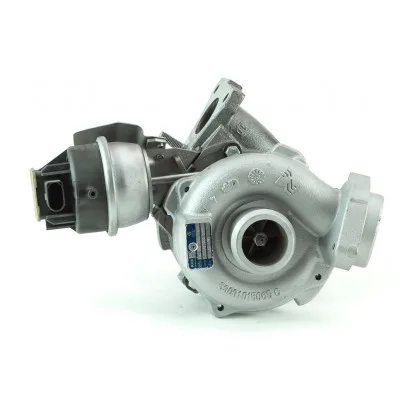
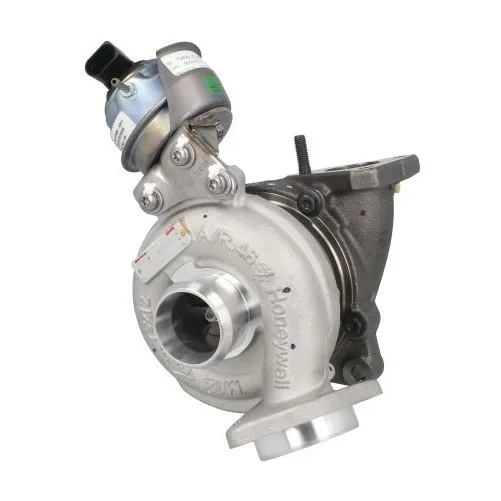
The 2.0 TDI 110 hp turbo exchange standard category serves Volkswagen Group diesel powertrains, where turbocharger reliability directly impacts vehicle drivability and emissions compliance. This range is designed for professionals who prioritize precision in repairs and enthusiasts who demand durability without factory-level pricing. Here, you’ll find remanufactured turbos engineered to restore original performance levels, addressing common failure modes like variable geometry wear or CHRA degradation in engines powering models from the early 2000s to recent production years.
This category is curated through a wholesale-focused supply chain, where each turbo is sourced from certified remanufacturers and cross-referenced against OEM specifications to ensure seamless compatibility. The role of the wholesaler is pivotal: they aggregate high-volume orders, manage core deposit logistics, and maintain stock rotation to prevent obsolescence. Brands like SL Turbo and BorgWarner (KKK) dominate this space due to their proven track record in diesel applications, offering a balance between affordability and technical integrity for garages and private buyers alike.
Professional uses by trade
Different user profiles approach the 2.0 TDI 110 hp turbo exchange standard category with distinct priorities, whether it’s minimizing downtime for a workshop or ensuring a long-term fix for a weekend project car. The following usages reflect how each group leverages these components to solve real-world problems efficiently.
- Independent garage: Replace a failing turbo on a 2010 Audi A4 2.0 TDI 110 hp with minimal labor by selecting a pre-calibrated exchange unit matching the original dimensions and connector layout.
- Stranded motorist: Order a remanufactured turbo for a 2008 Volkswagen Passat 2.0 TDI 110 hp to restore highway drivability after sudden power loss and excessive black smoke from the exhaust.
- DIY enthusiast: Source a BorgWarner KKK turbo for a 2005 Skoda Octavia 2.0 TDI 110 hp to avoid costly dealership repairs while maintaining the vehicle’s original performance characteristics.
- German buyer (DACH): Purchase an SL Turbo 818988-5002S unit for a 2012 Seat Leon 2.0 TDI 110 hp, benefiting from the brand’s reputation for precision engineering in European diesel markets.
- Fleet manager: Stock exchange turbos for a mixed VW Group fleet to reduce vehicle downtime during scheduled maintenance, ensuring consistent availability of critical powertrain components.
- Performance tuner: Select a high-flow remanufactured turbo for a modified 2015 Golf 2.0 TDI 110 hp to balance power gains with reliable operation under increased boost pressures.
- Classic car restorer: Find a compatible turbo for a 1999 Audi A3 2.0 TDI 110 hp to preserve originality while addressing common wear issues in aging diesel engines.
Range comparison
The following table presents the core offerings in the 2.0 TDI 110 hp turbo exchange standard category, each selected for its proven compatibility and remanufacturing quality. These units are presented with their exact reference designations to eliminate ambiguity in ordering.
| Range | Use | Format |
|---|---|---|
| SL Turbo 818988-5002S | Direct fit for Audi A4 2.0 TDI 110 hp | |
| SL Turbo 5303 988 0190 | Volkswagen Passat 2.0 TDI 110 hp replacement | |
| Turbo BorgWarner - KKK 5303 988 0133 | Skoda Octavia 2.0 TDI 110 hp OE equivalent |
How to choose
Selecting the right 2.0 TDI 110 hp turbo exchange standard unit requires evaluating several technical and logistical factors to ensure a successful repair. The following criteria help buyers navigate the options without overcomplicating the decision-making process.
- Verify OEM reference compatibility by cross-checking the engine code (e.g., CBAB, CFFB) to avoid mismatches in mounting points or electrical connectors.
- Assess the remanufacturing process: units labeled as generalüberholt or werksüberholt indicate standardized core cleaning, bearing replacement, and performance testing.
- Prioritize brands with consistent quality control, such as SL Turbo or BorgWarner, to minimize the risk of premature failure in high-mileage applications.
- Evaluate packaging: bulk cartons for garages should include protective foam inserts to prevent damage during transit, while palletized crates suit high-volume stocking.
- Check core deposit policies: some suppliers offer refundable deposits to offset the cost of returning the old turbo, simplifying the exchange process.
- Consider rotation speed: newer remanufactured units often feature updated CHRA designs for improved durability in modern diesel engines.
- Confirm electrical compatibility: variable geometry turbos require matching actuator connectors to avoid wiring modifications during installation.
Storage & logistics
Proper storage of 2.0 TDI 110 hp turbo exchange standard units is essential to maintain their remanufactured condition until installation. These components should be kept in a climate-controlled environment, away from direct sunlight and moisture, to prevent corrosion of internal components like the CHRA or wastegate mechanisms. For wholesale buyers, palletized crates should be stored on raised platforms to avoid contact with concrete floors, which can introduce condensation. Smaller bulk cartons benefit from shelf storage in a dry, temperature-stable area, with desiccant packs included to absorb ambient humidity. Regular inventory rotation ensures older stock is used first, reducing the risk of seal degradation or bearing dryness over time. Always handle turbos by the housing to avoid stressing the shaft or compressor wheel, and store them upright to prevent lubricant redistribution within the CHRA.
With over 15 years in the diesel powertrain aftermarket, our team has seen how a single remanufactured turbo can transform a vehicle’s reliability overnight. Whether it’s a workshop needing a same-day replacement or a DIYer restoring a project car, the 2.0 TDI 110 hp turbo exchange standard category delivers the precision and durability our customers demand.— autoKUR team
Related categories
Browse our other ranges:
Useful references
For regulatory and sector references, see Reglement (UE) 461/2010 — pieces de rechange et garantie constructeur.