
Available products
In stock
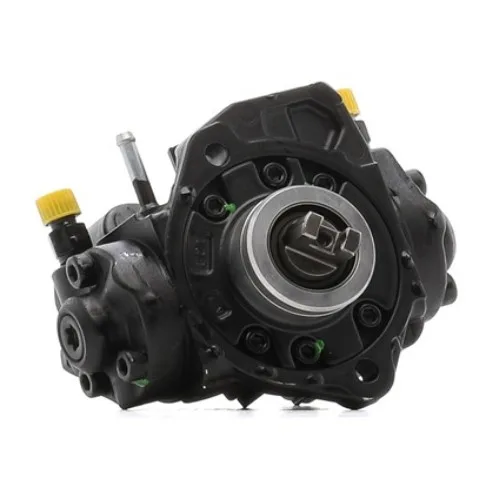
1 exchange-standard references cover the 4008 (all listed engines). Each sheet crosses engine, output and production years to guarantee the match.
The 1 references for the PEUGEOT 4008 are supplied as exchange units, with a 24-month warranty.
A check is due between two neighbouring engines: search by reference settles it in one move. All parts carry a 24-month warranty, with all PEUGEOT references in the background.
Related categories
Frequently asked questions
About this category
The high-pressure pump category serves diesel engines requiring precise fuel delivery under extreme pressure, a role central to the performance of Renault’s 1.5 dCi range and similar common-rail systems. Whether you are a professional mechanic facing a breakdown or an enthusiast tackling repairs yourself, this section provides the technical clarity needed to identify the right exchange-standard pump for your motorization, ensuring compatibility and longevity without compromising on quality.
This range is built around the principle of exchange-standard remanufacturing, where used pumps are restored to factory-like condition through a process of disassembly, cleaning, and replacement of worn components. The role of the wholesaler in this ecosystem is to aggregate these remanufactured units, ensuring a steady supply of high-pressure pumps that meet the demands of both independent garages and private motorists seeking cost-effective solutions.
Professional uses by trade
Different users approach high-pressure pump replacement with distinct priorities: garages prioritize speed and reliability, private motorists value simplicity, enthusiasts seek technical insight, and German buyers expect precision engineering—each perspective shapes how this component is selected and installed.
- Le garagiste independant : Replace a failing high-pressure pump on a Renault Scenic 3 1.5 dCi 110 in under two hours to minimize vehicle downtime and maintain workshop efficiency.
- L'automobiliste depanne : Diagnose a loss of power or excessive smoke by swapping the high-pressure pump with an exchange-standard unit, restoring engine performance without costly dealership visits.
- Le passionne qui fait lui-meme : Source a remanufactured high-pressure pump for a Renault Clio 4 1.5 dCi, following step-by-step guides to ensure a successful DIY installation with minimal tools.
- Der deutsche Kaeufer (DACH) : Order a high-pressure pump for a Renault Mégane 3 1.5 dCi, relying on precise OEM specifications and German-engineered remanufacturing standards for long-term reliability.
- Le garagiste independant : Use exchange-standard pumps to offer customers a budget-friendly alternative to new OEM parts, maintaining workshop profitability while delivering trusted repairs.
- L'automobiliste depanne : Address a P1260 fault code by replacing the high-pressure pump, a common issue in Renault 1.5 dCi engines that often resolves with a remanufactured unit.
- Der deutsche Kaeufer (DACH) : Select a high-pressure pump with a matching engine code (K9K) to ensure seamless integration and avoid compatibility issues in older Renault models.
Range comparison
Below, you will find the available high-pressure pump options for Renault 1.5 dCi engines, each listed with its exact reference, intended use, and packaging format to simplify your selection process.
| Range | Use | Format |
|---|---|---|
| High-pressure pump DENSO 294000-099 | fits Mégane 3 1.5 dCi |
How to choose
Selecting the right high-pressure pump involves evaluating several key factors, from engine compatibility to packaging and supplier reliability, to ensure a seamless replacement process.
- Verify the engine code (e.g., K9K) to confirm the pump’s compatibility with your Renault 1.5 dCi motorization before placing an order.
- Check the packaging format—bulk cartons for garages or individual boxes for private motorists—to align with your operational needs and storage constraints.
- Prioritize suppliers with a track record of remanufacturing high-pressure pumps to OEM standards, ensuring consistent performance and longevity.
- Assess the supplier’s return policy for core deposits, as many exchange-standard pumps require returning the old unit to avoid additional fees.
- Evaluate the supplier’s logistics, including lead times and shipping options, to minimize delays in critical repair scenarios.
- Consider the pump’s condition—generalüberholt (fully remanufactured) units offer the best balance of cost and reliability for most applications.
- Review customer feedback and technical documentation to confirm the pump’s suitability for your specific Renault model and year.
Storage & logistics
For garages and wholesalers, storing high-pressure pumps requires climate-controlled environments to prevent moisture damage and corrosion, with organized shelving to facilitate quick retrieval during urgent repairs. Palletized shipments should be stored on raised platforms to avoid contact with concrete floors, while individual boxes benefit from labeled storage to streamline inventory management. Regular stock rotation ensures older units are used first, maintaining freshness and reliability in the supply chain.
With over a decade of experience in remanufacturing diesel injection components, our team has seen firsthand how a well-chosen high-pressure pump can restore an engine’s performance and extend its lifespan, turning a breakdown into a seamless repair.— autoKUR team
Related categories
Browse our other ranges:
Useful references
For regulatory and sector references, see Reglement (UE) 461/2010 — pieces de rechange et garantie constructeur.