

Available products
10 references



Frequently asked questions
About this category
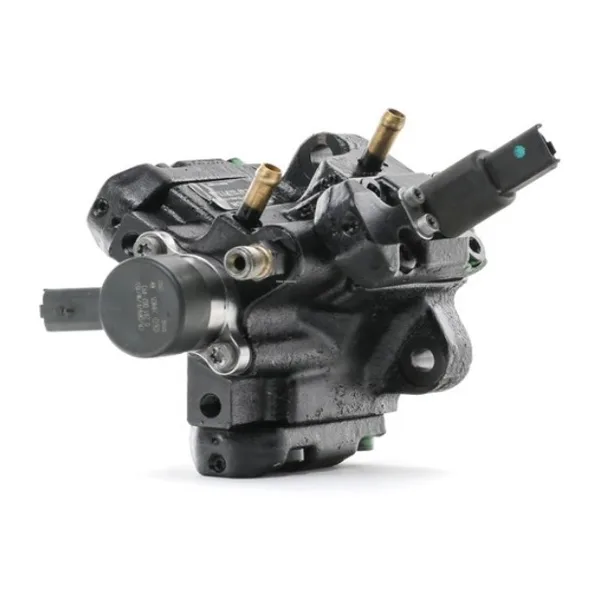
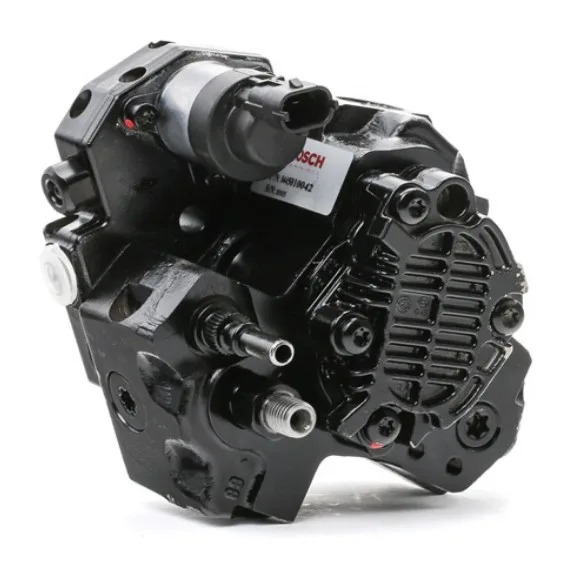
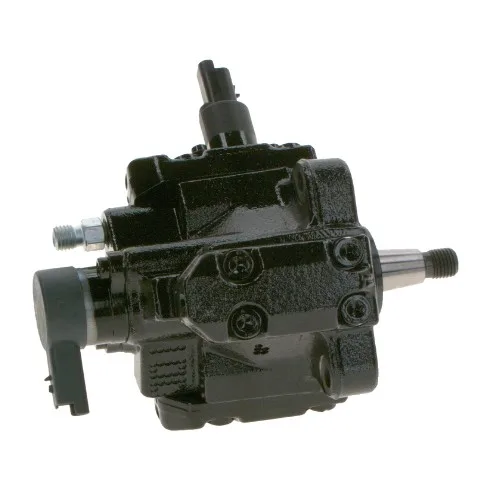
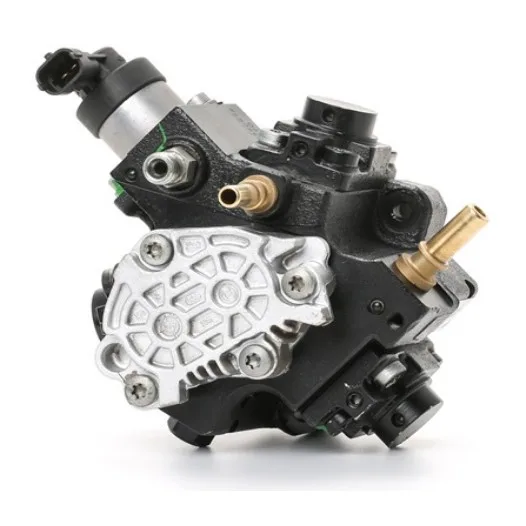
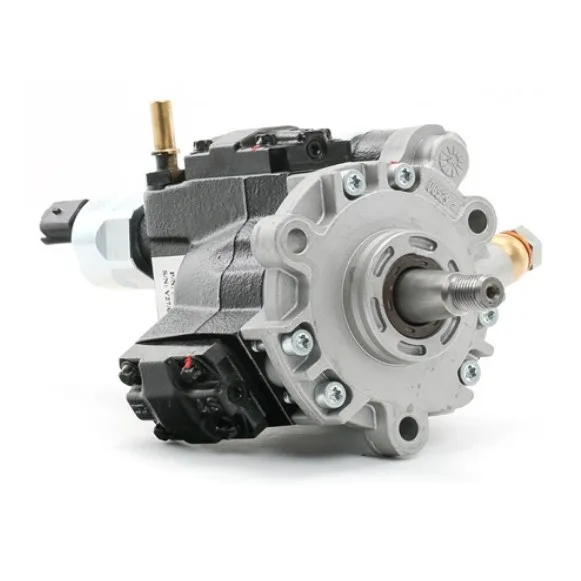
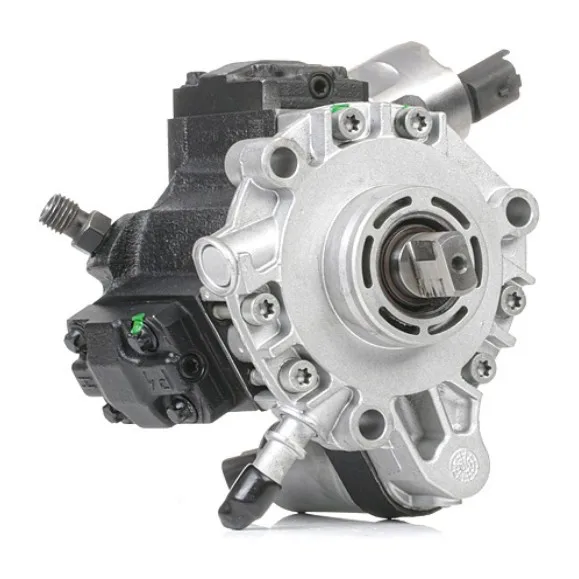
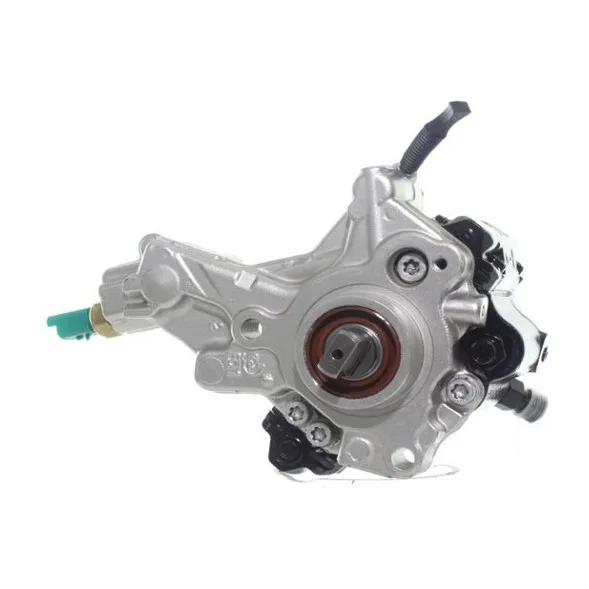
The high pressure pump category serves owners and professionals working on Peugeot 307 diesel models, particularly those equipped with 1.4 HDi, 1.6 HDi or 2.0 HDi engines, where fuel delivery precision directly impacts engine behavior. This section provides remanufactured pumps designed for direct replacement, addressing common issues like power loss, excessive smoke or warning lights without requiring vehicle downtime for repairs.
Each high pressure pump in this range is selected from suppliers specializing in diesel fuel systems, ensuring compatibility with Peugeot 307 engines across model years. The pumps undergo remanufacturing processes that restore original specifications, including internal components like the camshaft, plunger and delivery valves, while maintaining OEM-level performance standards for consistent fuel pressure delivery.
Professional uses by trade
Different professionals approach high pressure pump replacement with distinct priorities: garages focus on bulk availability and fast turnaround, while DIY enthusiasts seek clear compatibility guidance and hassle-free returns for core deposits.
- Le garagiste indépendant : replaces worn pumps in bulk to minimize vehicle downtime during Peugeot 307 diesel repairs, prioritizing fast identification of compatible references.
- L'automobiliste dépanné : orders a remanufactured pump after diagnosing symptoms like hesitation or smoke, ensuring the part matches their engine code before installation.
- Le passionné qui fait lui-même : researches pump compatibility by cross-referencing OEM codes and vehicle details to avoid incorrect purchases for their Peugeot 307.
- Der deutsche Käufer (DACH) : verifies pump specifications against local diesel fuel standards and prefers suppliers offering clear return policies for core deposits.
- Le garagiste indépendant : stocks multiple pump brands to cover common Peugeot 307 failures, reducing emergency order delays for customers.
- L'automobiliste dépanné : checks pump condition before purchase, looking for signs of remanufacturing quality like polished internal components.
- Der deutsche Käufer (DACH) : selects pumps with documented remanufacturing processes, ensuring compliance with European diesel fuel system regulations.
Range comparison
Below, you will find a selection of high pressure pumps compatible with Peugeot 307 diesel engines, listed by reference for precise identification and direct comparison of features.
| Range | Use | Format |
|---|---|---|
| Pompe haute pression SIEMENS-VDO 5WS40018 | direct replacement for 1.6 HDi engines | |
| Pompe haute pression SIEMENS-VDO 5WS40163Z | high-output variant for tuned 2.0 HDi models | |
| Pompe haute pression Bosch 0445010132 | standard fitment for 1.4 HDi applications | |
| Pompe haute pression SIEMENS-VDO 5WS40019 | alternative for early 1.6 HDi variants | |
| Pompe haute pression DELPHI R9424A000A | premium option for high-mileage engines | |
| Pompe haute pression Bosch 0445010089 | common replacement for 2.0 HDi models |
How to choose
Selecting the right high pressure pump involves evaluating several technical and logistical factors, from engine compatibility to return policies for core deposits, ensuring a smooth replacement process.
- Verify the engine code and model year of your Peugeot 307 to confirm pump compatibility before ordering, avoiding mismatches that lead to installation issues.
- Check the remanufacturing process details provided by the supplier, focusing on components like the camshaft and delivery valves for signs of thorough restoration.
- Compare return policies for core deposits across suppliers, as some offer refunds only for undamaged units returned within a specific timeframe.
- Assess the packaging quality of bulk orders, ensuring pumps are protected from moisture and impacts during transit to prevent pre-installation damage.
- Prioritize suppliers with documented quality control steps, such as pressure testing and leak checks, to ensure consistent performance after installation.
- Evaluate the availability of technical documentation, including OEM cross-references and installation guides, to simplify the replacement process for your team.
- Consider the supplier’s reputation in the diesel fuel system market, as long-standing partners often provide more reliable remanufactured components.
Storage & logistics
Storing high pressure pumps requires careful handling to preserve their remanufactured condition until installation. Keep pumps in their original packaging or a clean, dry environment, away from direct sunlight and temperature extremes that could degrade seals or internal components. For bulk orders, use sturdy shelving units to prevent crushing or bending of pump bodies, and label each box with the reference number and engine compatibility to streamline inventory management. Avoid stacking heavy items on top of pump boxes, as this can distort the housing or damage the camshaft. If storing for extended periods, periodically inspect pumps for signs of corrosion or seal degradation, especially in humid climates, and rotate stock to ensure older units are used first.
With over a decade of sourcing remanufactured diesel components, our team has seen how a well-matched high pressure pump restores Peugeot 307 performance without the cost of a new unit, making it a practical choice for both garages and DIY enthusiasts.— autoKUR team
Related categories
Browse our other ranges:
Useful references
For regulatory and sector references, see Reglement (UE) 461/2010 — pieces de rechange et garantie constructeur.