

Available products
3 references
Frequently asked questions
About this category
The high-pressure pump is the heart of a diesel engine’s fuel system, converting mechanical energy into hydraulic pressure to inject fuel into the combustion chamber. This category includes remanufactured pumps in exchange standard condition, designed for vehicles like the Renault Scenic 3 with the 1.5 dCi 110 engine. Whether you’re a professional mechanic or an automotive enthusiast, finding the right pump means matching the vehicle’s motorization, power output, and OEM reference.
This range is built around Bosch remanufactured pumps, selected for their widespread use in European diesel engines. The pumps are sourced from certified suppliers and undergo rigorous testing to ensure consistent quality. As a wholesale distributor, we provide access to these high-demand components with transparent pricing and efficient logistics, supporting garages and repair shops in maintaining their workflow.
Professional uses by trade
Different users rely on high-pressure pumps for distinct reasons. Independent garages prioritize reliability and compatibility, while DIY enthusiasts seek cost-effective solutions. German buyers, in particular, value precision engineering and long-term performance. Each group has specific needs that this category addresses.
- Le garagiste independant : Replace a failing pump to restore engine performance and avoid costly downtime for customers, ensuring accurate fuel delivery and emissions compliance.
- L'automobiliste depanne : Diagnose and replace a faulty pump to eliminate power loss and black smoke, restoring normal driving conditions without expensive repairs.
- Le passionne qui fait lui-meme : Source a remanufactured pump to save on costs while maintaining the engine’s original specifications, using OEM references for compatibility.
- Der deutsche Kaeufer (DACH) : Choose a high-pressure pump with proven durability and precision engineering, ideal for high-mileage diesel engines in the German market.
- Le garagiste independant : Use exchange standard pumps to reduce inventory costs, offering customers a budget-friendly alternative to new units.
- L'automobiliste depanne : Opt for a remanufactured pump to address common symptoms like rough idling or hard starting, ensuring a smooth return to service.
- Der deutsche Kaeufer (DACH) : Select pumps designed for European diesel standards, ensuring compatibility with local vehicle fleets and regulatory requirements.
Range comparison
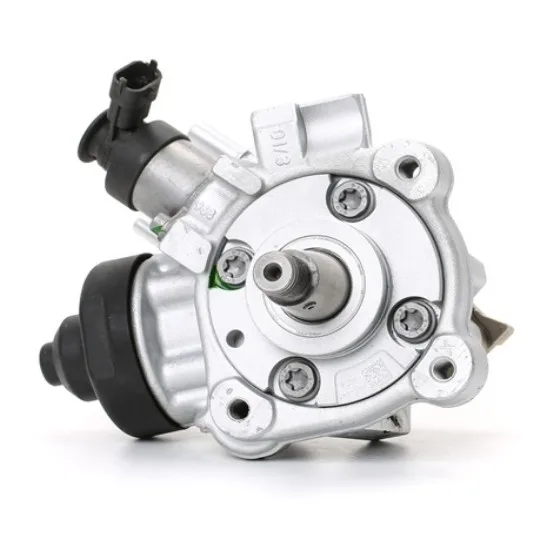
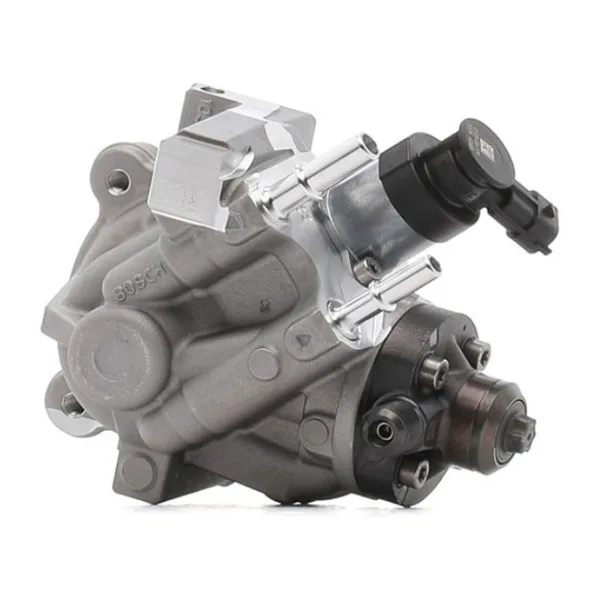
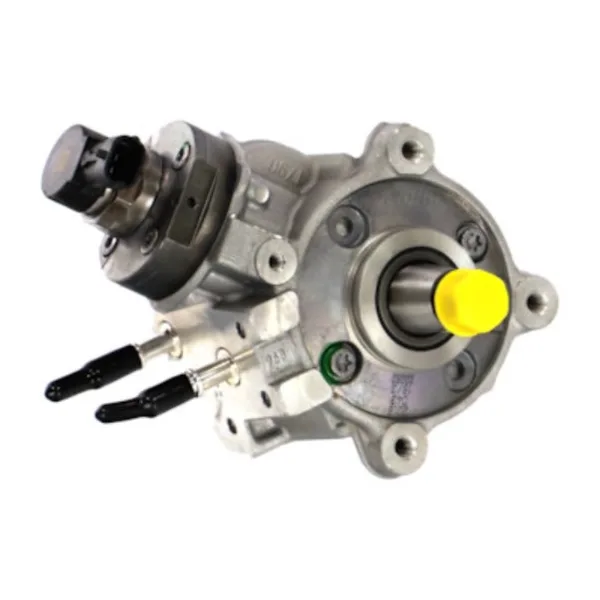
Below, you’ll find the three Bosch remanufactured high-pressure pumps available in this category. Each pump is listed with its OEM reference, ensuring compatibility with specific vehicle motorizations and power outputs.
| Range | Use | Format |
|---|---|---|
| High-pressure pump Bosch 0445010761 | Direct replacement for Renault 1.5 dCi engines | |
| High-pressure pump Bosch 0445010578 | Compatible with PSA diesel engines | |
| High-pressure pump Bosch 0445010516 | Suitable for VW Group TDI applications |
How to choose
Selecting the right high-pressure pump depends on several factors, including vehicle compatibility, engine power, and the pump’s condition. Professionals should also consider packaging, storage conditions, and supplier reliability to ensure long-term performance.
- Verify the pump’s OEM reference matches your vehicle’s motorization and power output to avoid installation issues or performance mismatches.
- Check the pump’s condition—exchange standard units should show no signs of wear or internal damage, ensuring reliable operation after installation.
- Assess the packaging for protection against moisture and impact, as improper storage can compromise the pump’s integrity before use.
- Prioritize suppliers with a consistent supply chain to avoid delays, especially when ordering in bulk for multiple repairs or maintenance schedules.
- Consider the pump’s compatibility with your workshop’s existing tools and diagnostic equipment to streamline the replacement process.
- Evaluate the supplier’s return policy for used cores, as some may require a core deposit or offer incentives for returning the old pump.
- For high-mileage engines, choose pumps with reinforced components to withstand prolonged use and maintain consistent fuel delivery.
Storage & logistics
Proper storage of high-pressure pumps is critical to preserving their condition before installation. Keep units in a dry, temperature-controlled environment, away from direct sunlight and contaminants. For bulk orders, use sealed containers or protective wrapping to prevent moisture ingress or physical damage. Rotate stock regularly to ensure older units are used first, maintaining a fresh supply of exchange standard pumps. Always handle pumps with care, avoiding drops or impacts that could misalign internal components or damage seals.
Since 2026, our team has supplied thousands of remanufactured high-pressure pumps to workshops across Europe, ensuring each unit meets the highest standards of compatibility and durability before it reaches your hands.— autoKUR team
Related categories
Browse our other ranges:
Useful references
For regulatory and sector references, see Reglement (UE) 461/2010 — pieces de rechange et garantie constructeur.