

Available products
10 references

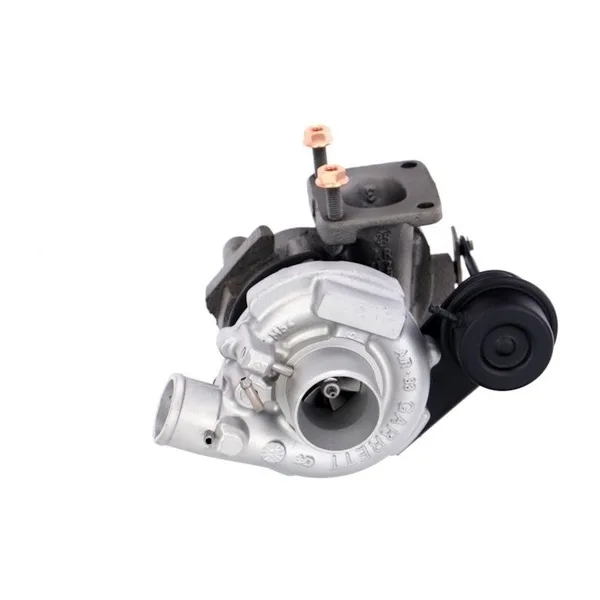
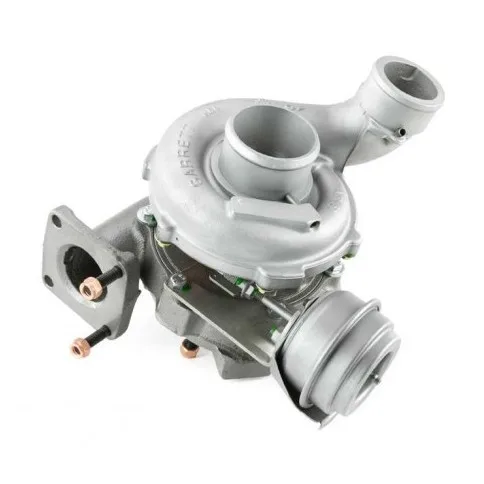

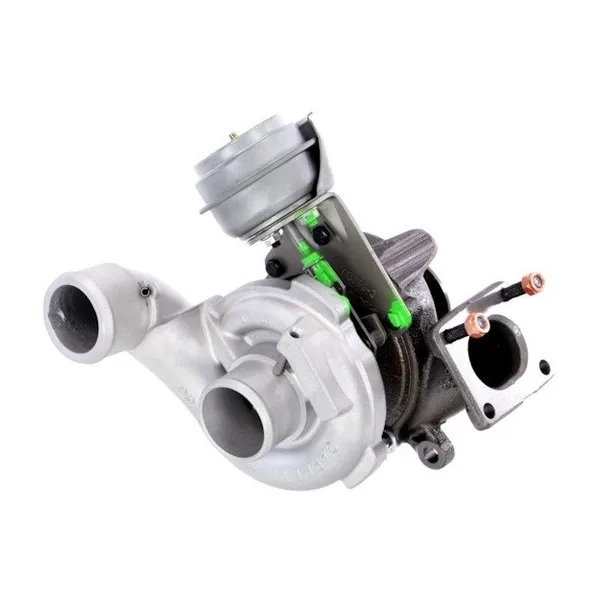
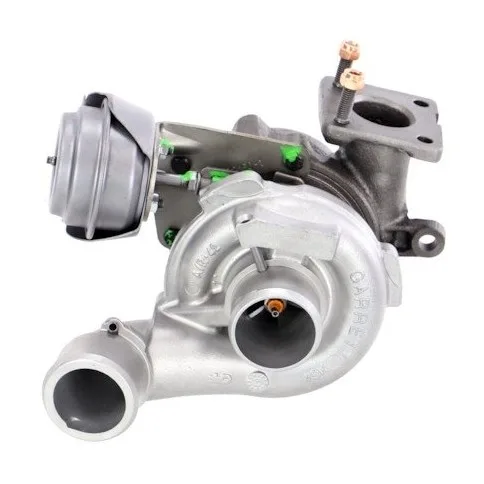


Frequently asked questions
About this category
This category brings together remanufactured turbochargers for the engines listed against each reference, presented as exchange units rather than new-only parts. It serves three kinds of buyer: the independent garage ordering a part it will fit itself, the driver whose vehicle has gone into limp mode or lost power on the road, and the home mechanic comfortable removing and refitting a turbocharger without workshop supervision. Each listing states the vehicles, engine codes, and power figures the part is built to match, so the search can start from the car rather than from a part number.
The range is built reference by reference: each turbocharger in this range is checked against the OEM numbers and engine codes it is known to replace, then grouped with the exchange units that share a housing or cartridge family. A specialized parts supplier sits behind this structure, tracking which references have been superseded and which equivalences still hold, so a buyer searching by engine code or by an existing part number lands on the same, correctly matched turbocharger exchange unit.
Professional uses by trade
The way this part gets used differs by buyer. A garage orders it as a job component to fit into a customer's car; a stranded driver is often reading a fault code for the first time; a home mechanic is comparing it against the part already removed. The notes below reflect each starting point.
- Independent garage: Matches the turbocharger reference against the vehicle's engine code and OEM number before ordering, so the exchange unit fits and can be fitted without a second delivery.
- Independent garage: Keeps the failed core aside in its original packaging, ready for the return process that the exchange scheme requires once the replacement unit has been fitted.
- Motorist with a breakdown: Recognises reduced power, dark exhaust smoke, or a whistling sound as signs pointing toward the turbocharger rather than another engine part.
- Motorist with a breakdown: Uses the vehicle's registration or engine code to narrow the search to the turbocharger built for that specific motorisation and power output.
- DIY enthusiast: Compares the CHRA and cartridge dimensions of the removed part against the listed reference before ordering a replacement turbocharger unit.
- German buyer (DACH): Cross-checks the OEM equivalence list against the number stamped on the original turbocharger to confirm the exchange reference before ordering.
Range comparison
The table below lines up each turbocharger exchange reference available in this category, with the general context it is used in and the exchange format it ships under, to help narrow a search before checking full compatibility.
| Range | Use | Format |
|---|---|---|
| Turbo Garrett 454150-5005S | engine power loss diagnosis | |
| Turbo Garrett 777251-5002S | turbocharger replacement job | |
| Turbo Garrett 701796-5001S | limp mode troubleshooting | |
| SL Turbo 716665-5002S | workshop turbo replacement | |
| Turbo Garrett 717661-0001 | whistling noise repair job | |
| Turbo Garrett 710811-0002 | DIY turbo swap | |
| Turbo Garrett 765277-5001S | smoke and power loss fix | |
| Turbo Garrett 712766-5003S | engine code matched swap |
How to choose
Choosing among several turbocharger references calls for a short checklist, since two units can look alike while serving different engine codes or power levels. The points below help a buyer confirm the match before the exchange unit is ordered.
- Engine code match: Confirms the exact engine code stamped on the vehicle rather than relying on the model name alone, since one model can carry several engine codes.
- OEM reference check: Cross-references the number on the original turbocharger against the listed equivalences to rule out a near-match that will not fit the housing.
- Power output range: Checks the vehicle's power figure against the range the turbocharger is built for, since the same engine family can ship in several power outputs.
- Core condition: Verifies that the removed turbocharger is intact enough to qualify for the core deposit return, avoiding a surprise once the used part is sent back.
- Cartridge and CHRA: Compares the cartridge and CHRA dimensions against the failed part when the full housing is not being replaced, to avoid ordering an incompatible core.
- Variable geometry compatibility: Checks whether the vehicle's turbocharger uses variable geometry before ordering, since a fixed-geometry exchange unit will not operate the same way.
- Warranty terms: Reviews the warranty terms shown against each listing at the time of ordering, since exchange units can carry different terms depending on the reference.
Storage & logistics
Turbocharger exchange units are handled the same way whether they are being stored briefly before fitting or held as part of a garage's regular stock. Each unit stays in its original packaging until it is fitted, protecting the turbine housing and actuator from dust and moisture. The removed core follows the same care in reverse: it is kept dry, free of loose debris, and boxed for the return leg of the exchange process rather than left exposed on a workbench. For a garage carrying several references at once, keeping units grouped by engine code shortens the time between a diagnosis and the part being ready to fit.
Since autoKUR's launch in 2026, our team has kept matching each turbocharger exchange reference to its engine codes and OEM equivalences by hand, so a garage or a home mechanic can check the reference before it is ordered.— autoKUR team
Related categories
Browse our other ranges:
Useful references
For regulatory and sector references, see Reglement (UE) 461/2010 — pieces de rechange et garantie constructeur.