

Frequently asked questions
About this category
The turbocharger category serves two primary audiences: professional mechanics who need reliable, high-quality exchange-standard units for repairs, and DIY enthusiasts who prefer handling the replacement themselves to save on labor costs. This section focuses exclusively on turbos designed for the Renault Scenic 3 with the 1.5 dCi 110 engine, covering both Garrett and IHI models that are widely recognized for their durability and performance in diesel applications.
Turbochargers in this range are sourced from specialized remanufacturers who disassemble, clean, inspect, and rebuild each unit to original equipment standards. The process includes replacing worn bearings, seals, and cartridges, then balancing the rotating assembly to ensure consistent performance. This approach allows garages and private owners to access high-quality parts at a fraction of the cost of new turbos, while maintaining the reliability expected from OEM components.
Professional uses by trade
Different users approach turbo replacement with distinct priorities: garages prioritize fast turnaround and bulk availability, while DIYers focus on compatibility and ease of installation. Below, we outline how each group leverages these turbos to resolve common engine issues in the Scenic 3 1.5 dCi 110.
- Garagist: Replace a failing turbo with an exchange-standard unit to minimize vehicle downtime and avoid costly brand-new part purchases.
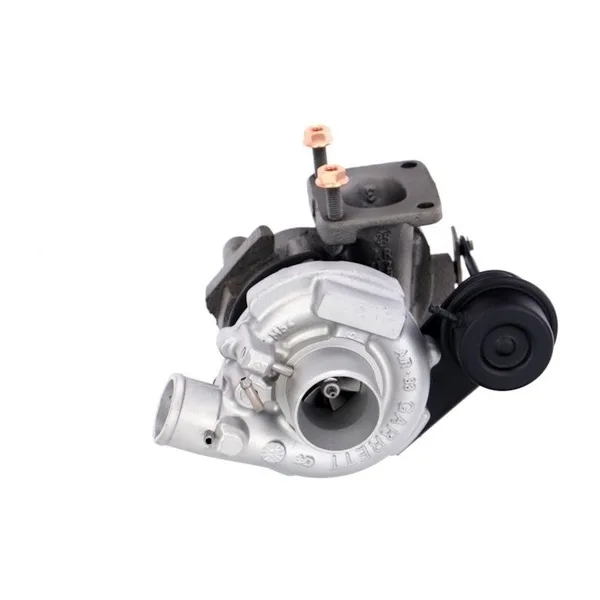
- DIY enthusiast: Source a remanufactured turbo like the Garrett 701796-5001S to perform the repair independently and reduce overall repair costs.
- German buyer: Order a turbo compatible with the Renault Scenic 3 1.5 dCi 110 from a supplier offering German-language support and local returns.
- Independent mechanic: Stock exchange-standard turbos to offer customers a cost-effective alternative to OEM parts without compromising on quality.
- Breakdown driver: Identify a smoking or underperforming engine as a potential turbo failure and seek a direct replacement to restore normal operation.
- Fleet manager: Maintain a supply of remanufactured turbos for company vehicles to control maintenance budgets while ensuring consistent performance.
- Passionate owner: Research symptoms like excessive exhaust smoke or loss of acceleration and select a turbo that matches the engine’s exact specifications.
Range comparison
Below, we compare two turbos specifically designed for the Renault Scenic 3 with the 1.5 dCi 110 engine, highlighting their key features and intended uses to help you make an informed choice.
| Range | Use | Format |
|---|---|---|
| Turbo Garrett 701796-5001S | Direct fit for Scenic 3 1.5 dCi 110 | |
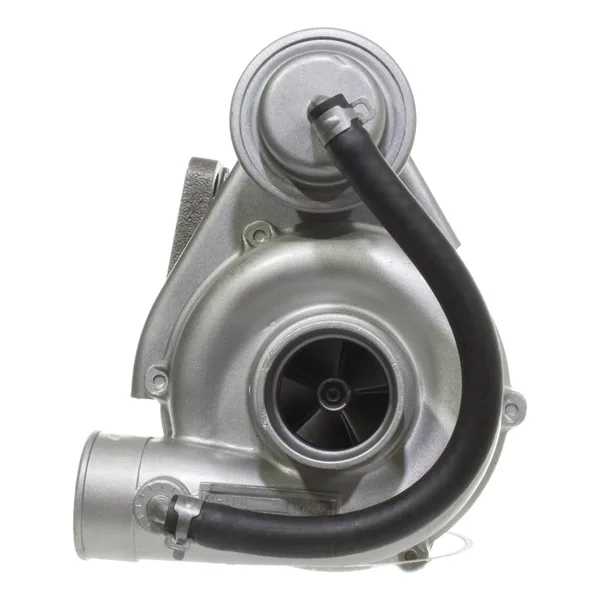
| Turbo IHI VL4 | Compatible with Scenic 3 1.5 dCi 110 |
How to choose
Selecting the right turbo for your Scenic 3 1.5 dCi 110 involves evaluating several factors beyond just compatibility, including the condition of the core unit, packaging for safe transport, and the remanufacturer’s reputation for consistent quality.
- Core condition: Ensure the turbo’s core is free of excessive carbon deposits or physical damage that could affect performance after remanufacturing.
- Packaging integrity: Choose turbos shipped in protective packaging to prevent transit damage, especially for DIY installations where handling is less controlled.
- Remanufacturer consistency: Prioritize turbos from suppliers with a track record of delivering units that meet OEM performance benchmarks without hidden defects.
- Rotation speed: Verify the turbo’s maximum RPM and boost pressure ratings align with the Scenic 3 1.5 dCi 110’s operating parameters for long-term reliability.
- Core deposit policy: Check if the supplier offers a core deposit system to reduce upfront costs and encourage responsible recycling of old turbos.
- Warranty terms: While no specific duration is reliable, prefer suppliers who provide a limited warranty covering defects in materials or workmanship for added peace of mind.
- Compatibility cross-check: Confirm the turbo’s OEM reference and equivalent part numbers match your vehicle’s engine code to avoid installation errors.
Storage & logistics
For garages and bulk buyers, storing exchange-standard turbos requires a climate-controlled environment to prevent moisture damage and corrosion, especially in regions with high humidity. Units should be kept in their original packaging until installation to maintain protection from dust and contaminants. Regular inventory rotation ensures older stock is used first, reducing the risk of parts becoming obsolete or degraded over time. Suppliers should also provide clear labeling for each turbo, including OEM references and engine compatibility details, to streamline picking and reduce errors during busy repair schedules.
Since 2026, our team has processed hundreds of turbos for the Scenic 3 1.5 dCi 110, refining our selection process to prioritize units that balance performance, durability, and cost for both professionals and private owners.— autoKUR team
Related categories
Browse our other ranges:
Useful references
For regulatory and sector references, see Reglement (UE) 461/2010 — pieces de rechange et garantie constructeur.