

Available products
2 references
Frequently asked questions
About this category
This category serves automotive professionals and DIY enthusiasts seeking remanufactured turbochargers for the Renault Scenic 3 1.5 dCi 110, a motorization known for its durability but prone to turbo failure over time. Here, you’ll find exchange-standard turbos designed to restore lost power and efficiency, alongside injectors and high-pressure pumps for comprehensive engine support. The focus remains on compatibility, durability, and cost-effective solutions for both workshops and private owners.
The range is curated by a wholesale specialist with deep expertise in turbo remanufacturing, sourcing components from global suppliers to ensure broad coverage. Each product is selected for its fitment across multiple vehicle models, with a focus on maintaining consistent quality standards. The role of the wholesaler is to bridge the gap between remanufacturers and end-users, providing access to high-demand parts without the overhead of direct OEM sourcing.
Professional uses by trade
Different users approach turbocharger replacement with distinct priorities: garages need reliability and fast turnaround, DIYers seek cost savings and self-sufficiency, while German buyers prioritize precision and long-term performance. Below, we outline how each group benefits from this category.
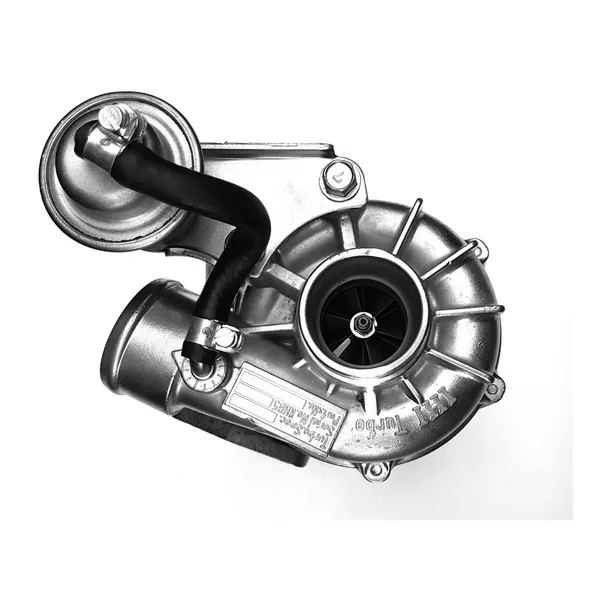
- Garagist: Replace a failing turbo on a Scenic 3 1.5 dCi 110 with a remanufactured IHI VA56A to restore full engine power and avoid costly OEM delays.
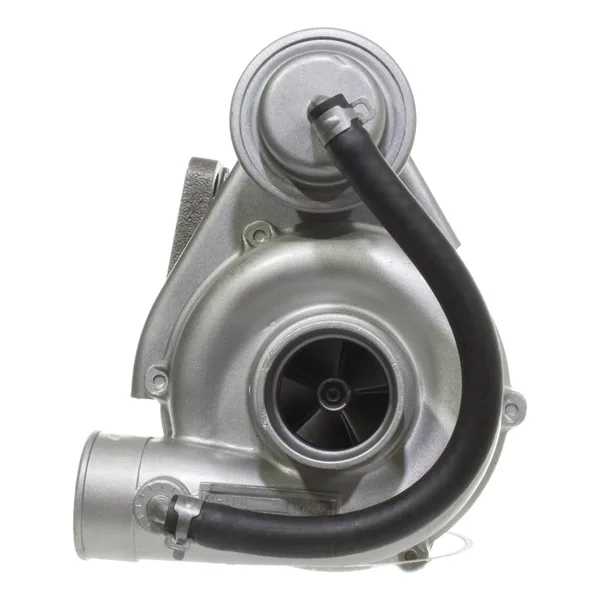
- DIY owner: Diagnose a whistling turbo noise and order a VL4 unit to perform the swap at home, saving on labor costs while ensuring compatibility.
- German buyer: Source a high-quality exchange-standard turbo for a Renault with confidence, knowing the part meets strict remanufacturing standards.
- Mechanic: Use a remanufactured turbo to address a customer’s complaint of sluggish acceleration, pairing it with a new high-pressure pump for optimal performance.
- Passionate driver: Maintain peak performance in a modified Scenic 3 by upgrading to a remanufactured turbo, ensuring the engine responds reliably to tuning changes.
- Workshop manager: Stock exchange-standard turbos like the VA56A to reduce downtime for customers, offering a cost-effective alternative to new parts.
- Independent mechanic: Replace a turbo showing signs of oil leakage with a remanufactured unit, restoring the engine’s efficiency without compromising on quality.
Range comparison
Below, we compare the two remanufactured turbos compatible with the Renault Scenic 3 1.5 dCi 110, highlighting their key features and intended uses. These units are designed for exchange-standard fitment, ensuring seamless replacement of the original turbo.
| Range | Use | Format |
|---|---|---|
| Turbo IHI VA56A | direct replacement for Scenic 3 1.5 dCi 110 | |
| Turbo IHI VL4 | high-flow option for tuned engines |
How to choose
Selecting the right remanufactured turbo depends on several factors, including the engine’s condition, intended use, and compatibility with existing components. Below are the key criteria to consider before making a purchase.
- Check the engine code (e.g., K9K) to confirm turbo compatibility, as mismatched parts can lead to performance issues or damage.
- Evaluate the turbo’s condition—remanufactured units should show no signs of excessive wear or internal corrosion before installation.
- Consider the vehicle’s usage: highway driving demands durability, while stop-and-go traffic may require a turbo with enhanced heat resistance.
- Verify the packaging and labeling to ensure the turbo is delivered in protective, anti-corrosion materials for safe transit.
- Assess the supplier’s return policy for used cores, as some remanufacturers require a core deposit for exchanges.
- Prioritize turbos with a consistent remanufacturing process, including balanced CHRA and tested variable geometry mechanisms.
- For modified engines, opt for a turbo designed to handle increased boost levels, ensuring longevity under higher stress.
Storage & logistics
Proper storage of remanufactured turbos is critical to maintain their condition before installation. Keep units in a dry, temperature-controlled environment, away from direct sunlight and moisture. Store them in their original packaging or sealed containers to prevent contamination from dust or debris. For bulk orders, use shelving with dividers to avoid contact between turbos, and label each unit clearly with its reference and motorization compatibility. Rotate stock regularly to ensure older units are used first, reducing the risk of degradation over time.
With over a decade of experience in turbo remanufacturing, our team has seen firsthand how a well-chosen exchange-standard turbo can transform a struggling engine into a reliable performer, often outperforming new OEM parts in both cost and longevity.— autoKUR team
Related categories
Browse our other ranges:
Useful references
For regulatory and sector references, see Reglement (UE) 461/2010 — pieces de rechange et garantie constructeur.