

Available products
13 references






Frequently asked questions
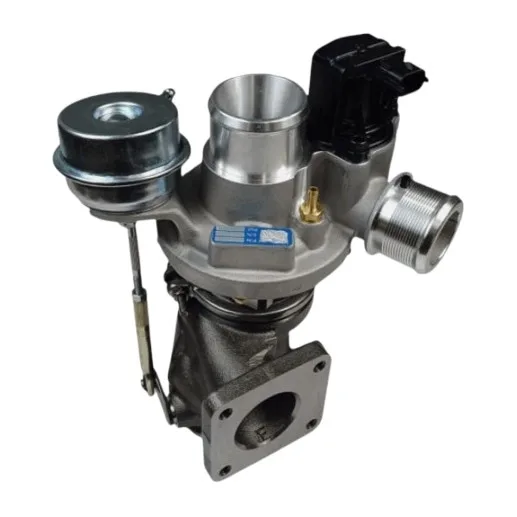
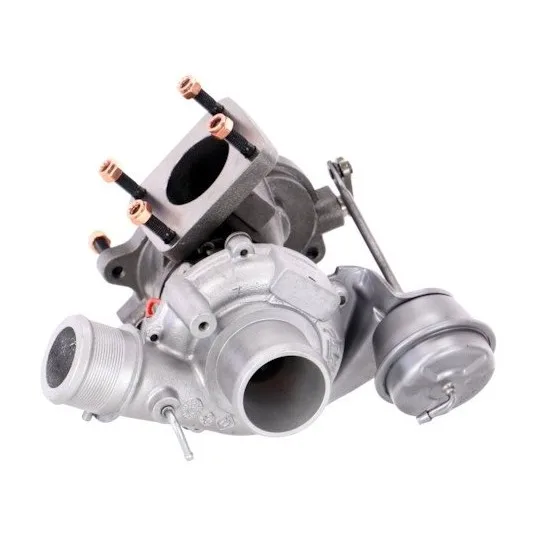
About this category
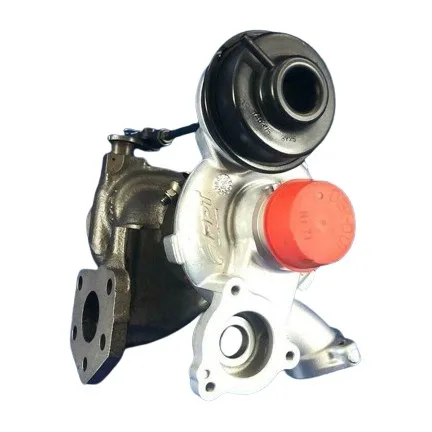
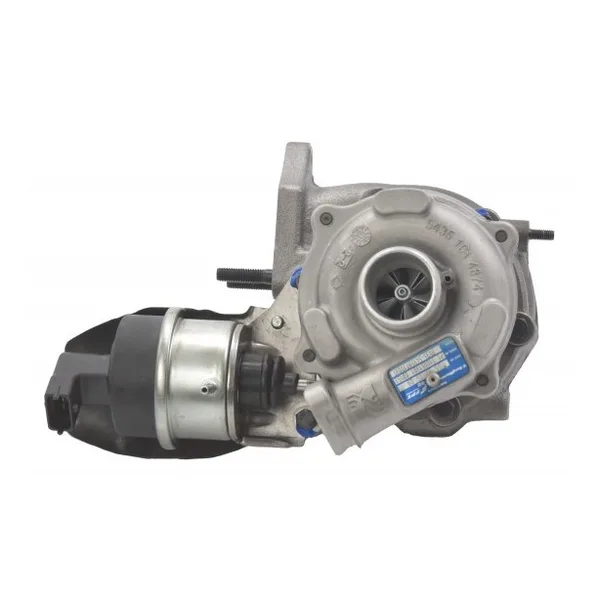
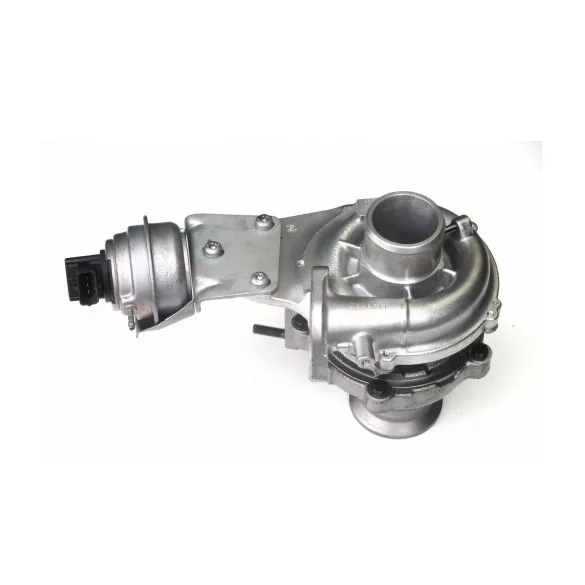
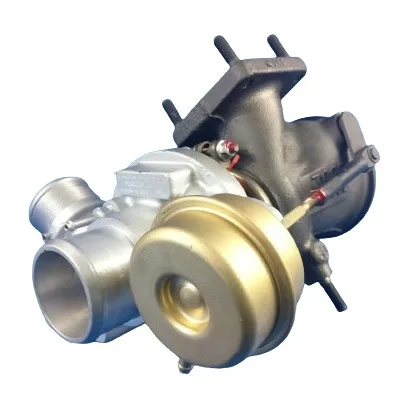
The MiTo category gathers remanufactured turbochargers offered as an exchange unit: the customer sends back the worn part and receives a reconditioned one built to the same engine code. It serves an automobilist working through a breakdown, an independent garage matching a reference for a customer's vehicle, and a hands-on driver comparing OEM numbers before ordering. Inside the category, references from Mitsubishi, BorgWarner-KKK, and Garrett sit side by side, each described by its engine application, its OEM reference, and the core deposit terms attached to the return of the old unit.
The range is built from documented OEM references rather than approximate fitment: each turbocharger exchange unit is grouped by the engine code and power output it was designed for, then cross-checked against equivalences published by Mitsubishi, BorgWarner-KKK, and Garrett. A wholesale distributor supplies the reconditioned units and manages the core deposit cycle, so the same part number stays available across an engine code's production run instead of disappearing once the first batch sells out.
Professional uses by trade
A turbocharger exchange unit is chosen differently depending on who is ordering it. An independent garage works from a customer's vehicle and engine code, a stranded automobilist works from symptoms, and a hands-on owner cross-checks an OEM reference before removing the failed part. The examples below reflect those starting points.
- Le garagiste indépendant : Matches a turbocharger exchange unit to the engine code stamped on the block, checking the OEM reference before removing the failed part from the vehicle.
- L'automobiliste depanne : Compares the symptoms of a stalled engine, such as lost power or a whistling sound, against the fault descriptions attached to each turbocharger exchange unit.
- Le passionne qui fait lui-meme : Reads the CHRA and cartridge details of a Garrett or BorgWarner-KKK reference before ordering, so the geometry variable mechanism matches the original part.
- Der deutsche Kaeufer (DACH) : Checks the OEM reference and engine code against a Mitsubishi or Garrett turbocharger exchange unit before arranging installation with a local workshop.
- Le garagiste indépendant : Plans the core deposit return of the worn turbocharger alongside the exchange unit delivery, keeping the workshop's stock cycle predictable across several vehicles.
- L'automobiliste depanne : Looks up the injector or high-pressure pump reference tied to the same engine family when a turbocharger symptom points to a wider fuel system issue.
Range comparison
The table below lists each MiTo reference exactly as it appears in the range, alongside the situation it typically covers and the general exchange format under which it is supplied to a workshop or an ordering owner.
| Range | Use | Format |
|---|---|---|
| Turbo Mitsubishi 49180-03201 | stalled engine diagnosis | |
| SL Turbo 49373-03012 | power loss troubleshooting | |
| Turbo BorgWarner - KKK 5430 988 0000 | variable geometry replacement | |
| SL Turbo 5435 988 0014 | whistling noise diagnosis | |
| Turbo BorgWarner - KKK 5435 988 0027 | limp mode troubleshooting | |
| Turbo BorgWarner - KKK 5435 988 0037 | cartridge and CHRA check | |
| Turbo Garrett 803956-5003S | smoke emission diagnosis | |
| Turbo Garrett 812811-5004S | engine code matching |
How to choose
Choosing between two similar references comes down to matching detail rather than brand preference. The points below outline what an ordering garage or owner typically checks before confirming a turbocharger exchange unit against a specific vehicle.
- Confirm the exact OEM reference stamped on the failed part rather than relying on the vehicle model alone, since several engine variants share a single body style.
- Match the engine code precisely, as two versions of the same model can carry different power outputs and therefore different turbocharger references.
- Check whether the unit is fixed geometry or variable geometry, since the actuator and linkage differ even within the same engine family.
- Review the core deposit terms attached to the reference before ordering, since the worn part travels back through the same channel it arrived by.
- Cross-check the cartridge or CHRA description against the failed part when only the internal assembly needs replacing rather than the full housing.
- Compare equivalences across Mitsubishi, BorgWarner-KKK, and Garrett numbering when a single engine code has been supplied by more than one manufacturer over its production run.
Storage & logistics
A turbocharger exchange unit is a machined assembly with sealing surfaces and, on variable geometry units, a linkage mechanism, so it should stay in its original packaging until installation to avoid dust or moisture reaching the compressor and turbine housings. Stock rotation follows the engine code and OEM reference rather than a delivery date, since a workshop typically holds a handful of references matched to the vehicles it services rather than a wide inventory. The worn core awaiting return should be kept separate from new units, drained of residual oil, and identified with its own OEM reference so the deposit cycle stays traceable back to the correct exchange unit.
Since we started listing turbocharger exchange units in 2026, our team has kept every reference tied to its documented OEM number and engine code, because a garage matching a part to a stalled vehicle has no room for an approximate fit.— autoKUR team
Related categories
Browse our other ranges:
Useful references
For regulatory and sector references, see Reglement (UE) 461/2010 — pieces de rechange et garantie constructeur.