

Available products
6 references



Frequently asked questions
About this category
The turbocharger category covers exchange units intended to replace a failed factory turbo on the engines they were built for, rather than a universal or adaptable part. It is built for anyone who already knows, or can look up, the engine code and original reference of the unit they are replacing: independent garages ordering for a customer's vehicle, a driver facing a breakdown who wants the correct part rather than a close match, a hobbyist working on their own car, and buyers in Germany, Austria, and Switzerland comparing references before ordering.
Each reference in this range is selected to correspond to a documented engine application rather than added for variety, which means the list stays narrow and specific instead of covering every turbocharger on the market. Garrett, BorgWarner-KKK, and SL Turbo references sit side by side because they answer to different original equipment fitments, not because one supersedes another. Ordering by original reference or engine code, instead of by vehicle model alone, keeps the match precise.
Professional uses by trade
The same turbocharger reference is approached differently depending on who is ordering it. A workshop plans around stock and turnaround, a stranded driver wants clarity on what part number to ask for, a hobbyist wants to understand what they are fitting, and a buyer in the DACH region wants the application confirmed before paying for shipping.
- Le garagiste independant : Cross-checks the engine code and original part number against the reference list before ordering to avoid an application mismatch.
- Le garagiste independant : Coordinates the core deposit and the return of the failed unit alongside the new order, since the exchange depends on it.
- L'automobiliste depanne : Reads the engine code or reference stamped on the failed turbo before contacting a garage, so the correct replacement can be ordered.
- L'automobiliste depanne : Recognises symptoms such as power loss, exhaust smoke, a whistling noise, or the engine entering limp mode as signs the turbo may need replacing.
- Le passionne qui fait lui-meme : Compares the failed cartridge or CHRA against the listed reference before deciding whether to replace the whole unit or a component.
- Le passionne qui fait lui-meme : Checks whether the original turbo uses variable geometry before assuming a fixed-geometry replacement will fit.
- Der deutsche Kaeufer (DACH) : Verifies the engine code and production years against the listed application before ordering across a border, since a return adds delay.
Range comparison
The table below lists each available reference with a short description of what it corresponds to and how it is supplied, so a workshop or buyer can confirm the right one before ordering rather than after receiving the part.
| Range | Use | Format |
|---|---|---|
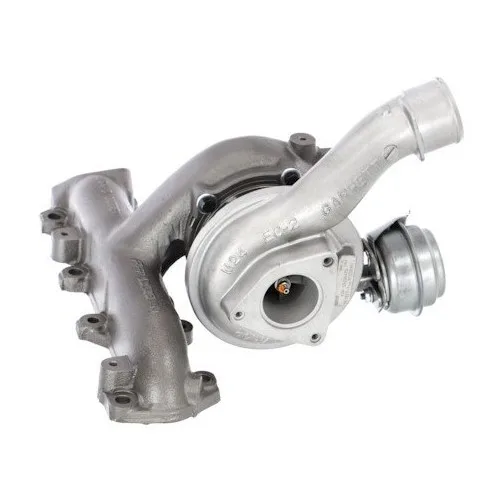
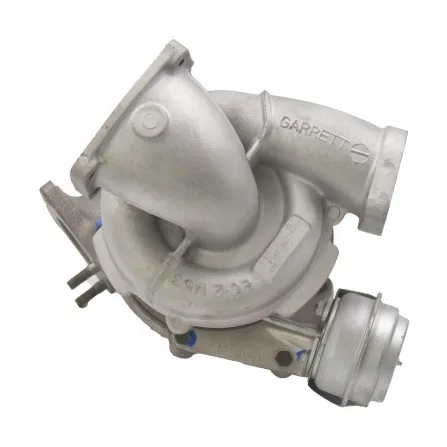
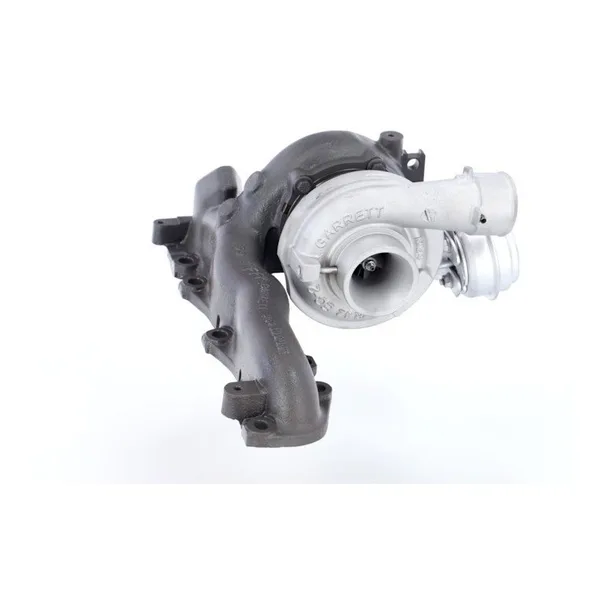
| Turbo Garrett 803958-5002S | turbo failure replacement | |
| SL Turbo 767837-5001S | turbo failure replacement | |
| Turbo BorgWarner - KKK 5303 998 0149 | turbo failure replacement | |
| Turbo Garrett 767878-5001S | turbo failure replacement | |
| Turbo Garrett 773721-5001S | turbo failure replacement | |
| Turbo BorgWarner - KKK 5304 988 0052 | turbo failure replacement |
How to choose
Choosing between references at this level comes down to matching, not preference: the following points help confirm that a listed reference truly corresponds to the failed part before it is ordered and, eventually, exchanged.
- Confirm the engine code stamped on the block or listed in the vehicle's documentation matches the application tied to the chosen reference.
- Match the original part number on the failed turbo against the reference list rather than relying on the vehicle model alone.
- Check whether the original unit uses variable geometry or a fixed design, since the two are not interchangeable.
- Account for the core deposit and the logistics of returning the failed unit, which is part of the exchange process.
- Verify the production year range covered by the reference, since the same engine can span more than one turbo specification over its run.
- Inspect the cartridge or CHRA condition on the failed part before deciding between a full unit and a component-level replacement.
- Plan for professional installation, since fitting a turbocharger correctly involves oil and boost lines that a qualified installer should handle.
Storage & logistics
Turbocharger units should be kept in their original packaging, indoors, and away from moisture until they are fitted, since the oil and turbine housings are sensitive to contamination during storage. A garage holding stock for multiple applications benefits from keeping references separated and clearly labelled, so an engine code lookup at the counter matches the physical part without a second check. The core deposit process means the failed unit also needs to be kept and packaged for return, ideally in the box the replacement arrived in, to avoid transit damage and a delay in the deposit refund.
We approach every remanufactured turbo exchange the same way: confirm the engine code, confirm the original reference, and only then confirm availability. That order has not changed as the catalogue has grown to cover more applications across Garrett, BorgWarner-KKK, and SL Turbo references.— autoKUR team
Related categories
Browse our other ranges:
Useful references
For regulatory and sector references, see Reglement (UE) 461/2010 — pieces de rechange et garantie constructeur.