
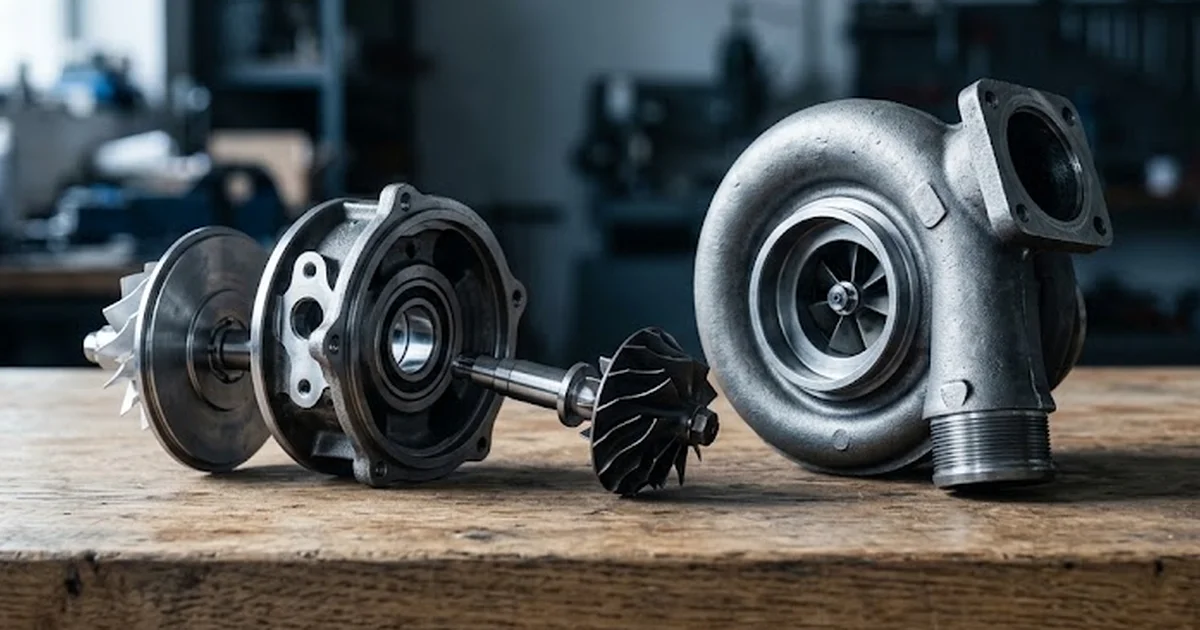
Is a turbo covered under warranty?
Wondering if a turbo is covered under warranty? Learn what parts guarantees protect, common failure exclusions, and essential claim requirements to know.
Understanding Turbocharger Warranty Coverage: Manufacturer vs Replacement Parts
When an engine suddenly loses power, triggers limp mode, or produces a piercing siren noise under acceleration, drivers and mechanics immediately ask: is a turbo covered under warranty? The answer depends fundamentally on the context of the installation, the origin of the part, and the specific terms of the guarantee. A factory warranty on a brand-new vehicle treats turbochargers differently than an aftermarket warranty or a replacement parts warranty on a remanufactured turbocharger. Understanding these distinctions prevents unexpected repair bills and helps you navigate warranty claims with confidence.
Warranty coverage in the automotive industry is structured around component responsibility. When evaluating whether a turbocharger failure qualifies for replacement or repair, providers distinguish between three common warranty frameworks:
- New vehicle manufacturer warranty: Covers original factory-fitted components against assembly or material failure for a set statutory or contractual period, provided vehicle service schedules have been rigorously maintained.
- Extended mechanical breakdown warranty: Third-party coverage purchased for pre-owned vehicles, which often includes forced-induction components but may impose payout caps, wear-and-tear exclusions, or specific servicing prerequisites.
- Standard exchange replacement warranty: Applies to standalone remanufactured units, covering internal component integrity and remanufacturing craftsmanship from the date of purchase.
Regardless of the warranty type, no guarantee acts as unconditional insurance against external mechanical faults. A turbocharger warranty specifically protects against defects in the unit itself, not damage inflicted by auxiliary engine malfunctions.
What Turbocharger Warranties Actually Cover: Inherent Defects and Material Integrity
A replacement turbocharger warranty is designed to provide complete peace of mind regarding the structural and mechanical integrity of the component. When you purchase a remanufactured unit in standard exchange, the warranty guarantees that every internal component has been calibrated, balanced, and inspected in accordance with strict engineering tolerances. If an internal component fails due to a flaw in manufacturing, assembly, or metallurgy, the warranty covers the repair or replacement of the turbocharger unit.
Under standard terms, the parts warranty specifically encompasses:
- Center housing rotating assembly (CHRA): Defects in the structural integrity of the central bearing housing, shaft metallurgy, and bearing retention rings.
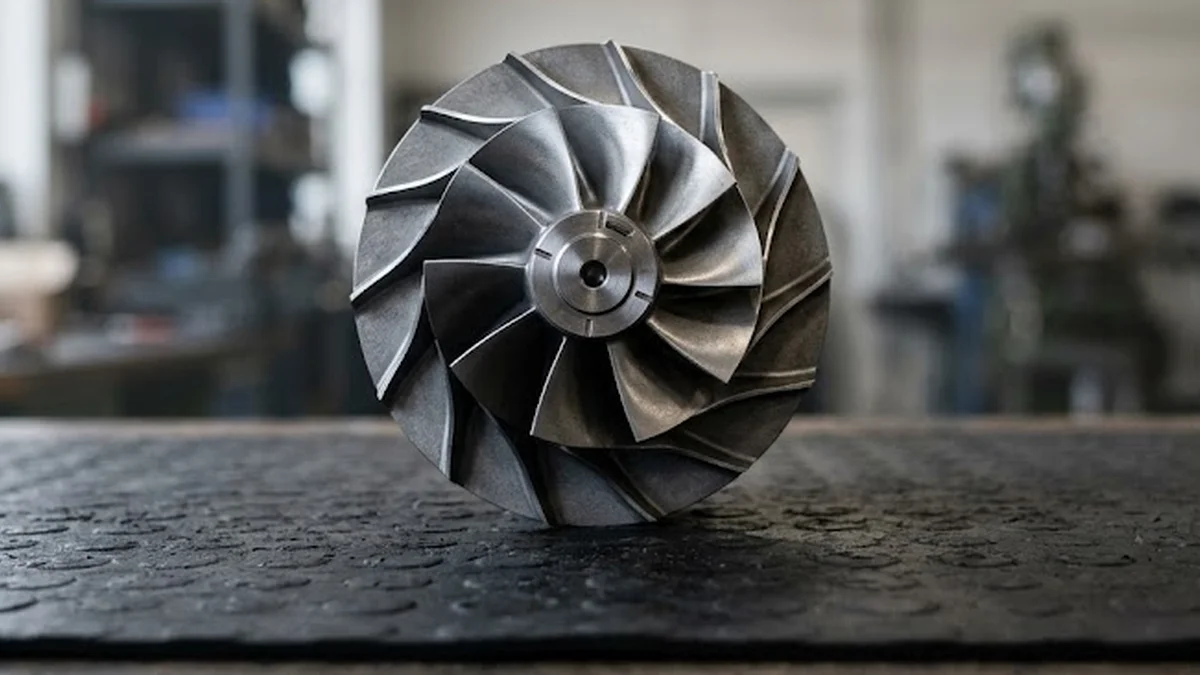
- Compressor wheel and turbine shaft: Material flaws, casting porosity, or fatigue fractures occurring under normal operating parameters without external foreign debris impact.
- Journal and thrust bearings: Internal bearing manufacturing defects, provided proper lubrication pressure and clean oil were supplied during operation.
- Variable turbine geometry (VTG/VNT) mechanisms: Mechanical seizing or linkage separation of internal guide vanes resulting from manufacturing tolerances rather than severe carbon fouling.
- Actuator mechanisms: Factory internal defects in pneumatic wastegate actuators or electronic servo control units supplied with the assembly.
If an internal failure occurs because a factory tolerance was exceeded or a component exhibited an undetectable material weakness during assembly, the warranty obligation is straightforward: the unit is repaired or exchanged. However, establishing that a failure was truly internal requires looking at the physical evidence left inside the turbocharger housing.
Common Turbo Failure Causes Excluded from Warranty Coverage
To understand what a turbo warranty covers, one must examine why turbochargers fail. In automotive engineering, a turbocharger is rarely the initial point of failure. Operating at rotational speeds exceeding 200,000 revolutions per minute and enduring exhaust gas temperatures above 800 degrees Celsius, the turbocharger acts as an immediate indicator of underlying engine health. When lubrication drops, filtration fails, or combustion is irregular, the turbocharger suffers fatal damage within seconds.
Warranty providers systematically exclude failures caused by external influences, poor operating practices, or auxiliary engine component breakdowns. The following table outlines the most frequent turbo failure modes, their external root causes, warranty claim eligibility, and the physical evidence identified during technical teardown inspection:
| Failure Mode | Primary External Cause | Warranty Status | Physical Inspection Findings |
|---|---|---|---|
| Bearing Journal Scoring | Oil contamination or carbon debris in lubricant | Excluded from coverage | Deep circular grooves on shaft journals and brass bearings; burnt oil deposits in CHRA. |
| Compressor Wheel Blade Impact | Foreign object ingestion from unfiltered intake | Excluded from coverage | Chipped, bent, or sandblasted leading edges on aluminum compressor blades. |
| Turbine Wheel Blade Fracture | Exhaust debris such as glow plug tips or carbon fragments | Excluded from coverage | Severe jagged fractures on turbine blades; impact marks inside the turbine housing. |
| Shaft Discoloration and Snapping | Severe oil starvation or excessive thermal load | Excluded from coverage | Blue-black heat discoloration on the shaft near bearings; classic torsional fatigue shear. |
| Internal Casting Defect | Metallurgical flaw or manufacturing defect | Covered under parts warranty | Leakage through casting without external impact; material voids identified by metallographic analysis. |
| Actuator Electronics Failure | Manufacturing or internal component defect | Covered under parts warranty | Signal circuit failure or motor binding with intact linkage and no thermal damage. |
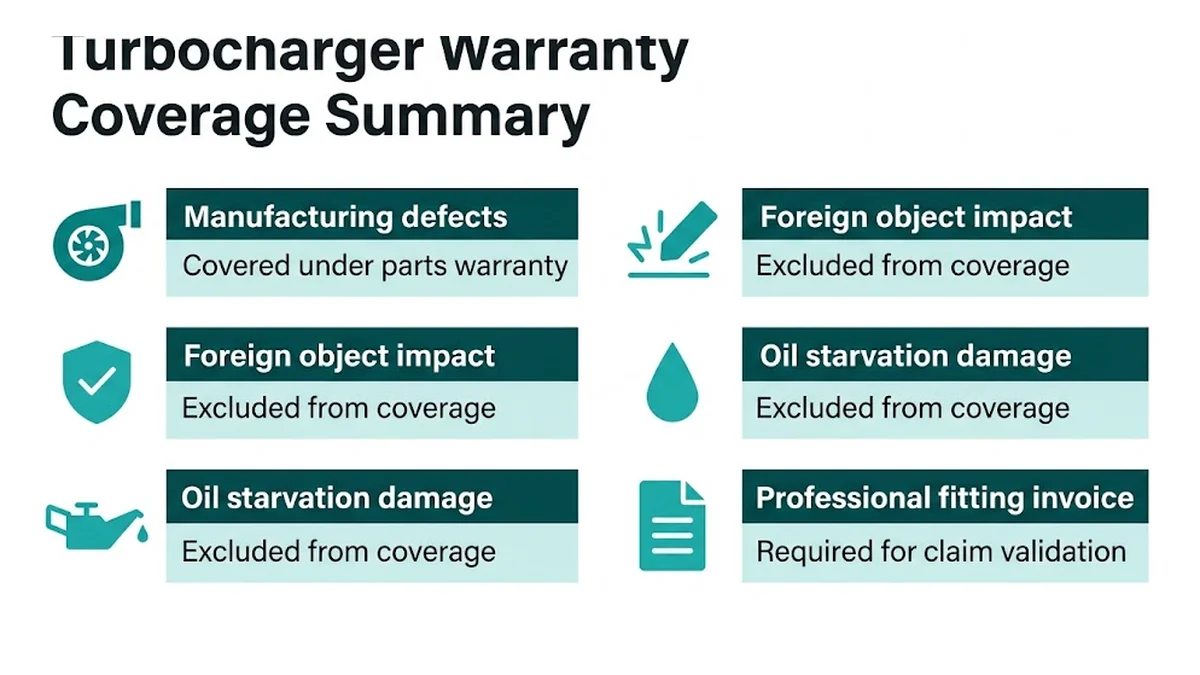
Turbocharger Warranty Coverage Summary
When assessing claim eligibility, remanufacturers categorize failure modes according to direct physical evidence:
- Manufacturing defects: Covered under parts warranty.
- Foreign object impact: Excluded from coverage.
- Oil starvation damage: Excluded from coverage.
- Professional fitting invoice: Required for claim validation.
Because external causes account for the vast majority of turbo replacements, warranty validation depends on whether the installing technician successfully rectified the environment in which the turbo operates.
Mandatory Installation Requirements to Protect Your Warranty Claim
When fitting a replacement turbocharger, warranty coverage is conditional upon following strict installation protocols. Component manufacturers and standard exchange remanufacturers require that the installation be performed by a qualified automotive repair professional. Fitting a turbocharger is not a simple bolt-on operation; it requires a systematic overhaul of the engine lubrication and air filtration circuits.
To maintain full warranty protection, the third-party workshop must carry out the following procedural steps during installation:
- Drain and replace engine oil and filter: Old engine oil contains microscopic soot, degraded combustion by-products, and metallic particulate that instantly score precision journal bearings. Fresh oil matching the exact vehicle manufacturer viscosity specification is mandatory.
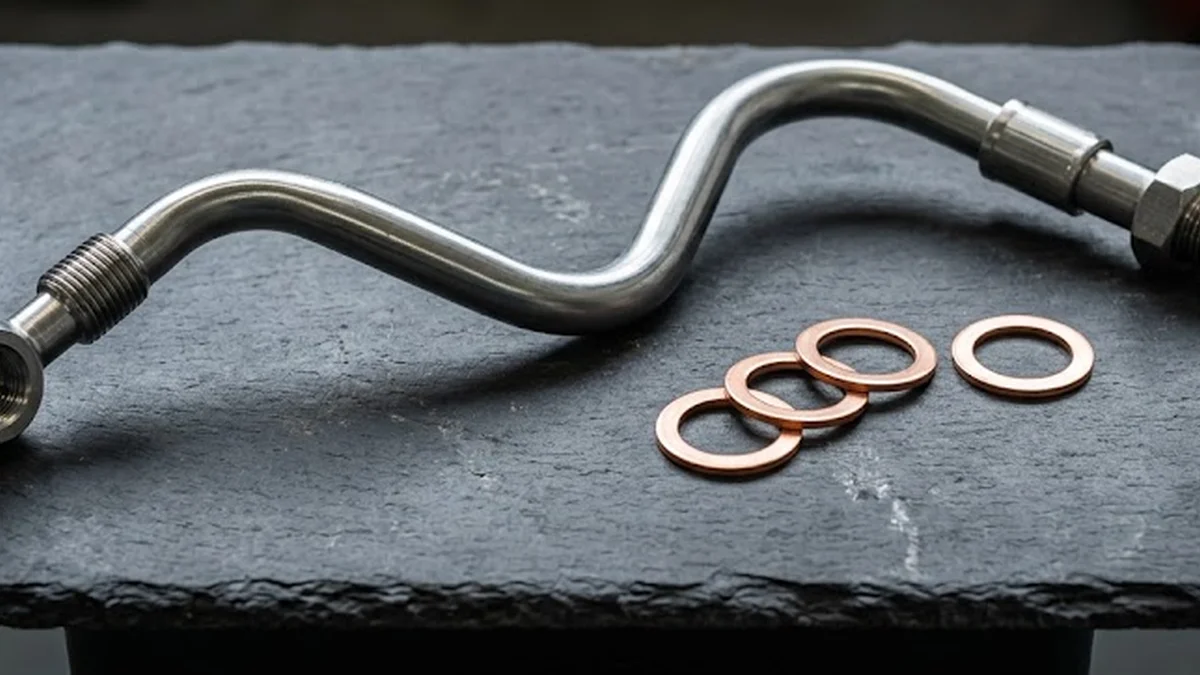
- Install a new oil feed line: Reusing the existing oil feed pipe is one of the most frequent causes of immediate turbo breakdown. Carbon coking builds up inside feed pipes due to radiant exhaust heat, restricting oil flow to the new core. Installing a brand-new feed line is a strict prerequisite.
- Fit new gaskets without sealant: Reusing old, compressed metal seals causes exhaust leaks and unmetered air ingress. Always install a dedicated gasket kit designed specifically for your turbo model. Liquid silicone or paste sealant must never be applied to oil supply or drain flanges, as extruded silicone breaks loose and plugs internal oil galleys.
- Inspect and clear the oil drain tube and crankcase breather: Any restriction or excessive crankcase pressure prevents oil from draining freely from the turbo by gravity, forcing oil past the dynamic piston ring seals into the exhaust or intercooler.
- Clean the intercooler and boost pipework: If the previous turbo suffered compressor wheel disintegration or seal leakage, oil and metal fragments will reside inside the charge air cooler. If not thoroughly flushed and dried, this debris will be sucked straight into the replacement unit or engine cylinders.
- Pre-lube the central bearing housing: Before attaching the oil feed line, inject clean engine oil directly into the oil inlet port of the turbocharger while slowly rotating the compressor wheel by hand to ensure instant hydrodynamic lubrication on initial cranking.
To preserve warranty eligibility on a replacement turbo, the underlying cause of the initial breakdown must be diagnosed and eliminated before fitting, with oil lines replaced and all work documented by a professional workshop invoice.
Following these mandatory steps protects your vehicle investment and ensures that your supporting paperwork satisfies all claim requirements should a technical dispute arise.
The Technical Teardown Assessment: How Warranty Claims Are Evaluated
When an issue occurs with a newly installed turbocharger and a warranty claim is initiated, the unit is returned to the technical facility for a comprehensive teardown examination. This evaluation is an empirical, forensic process. Because rotating parts leave unmistakable physical signatures of their operating conditions, expert examiners can easily reconstruct the exact mechanical sequence that led to the breakdown.
During the warranty inspection, technicians perform multiple specialized diagnostic checks:
- Visual external check: Verifying housing integrity, checking for heat bluing on the turbine housing, inspecting actuator linkages, and noting any unauthorized tampering, adjustment paint disruption, or use of chemical sealants.
- Play and tolerance measurements: Measuring radial float and axial end-play using dial test indicators to determine the extent of bearing wear compared to factory clearance specifications.
- Component disassembly and microscopic inspection: Dismantling the central housing to inspect the turbine shaft journals, brass sleeve bearings, and thrust washers under magnification for signs of abrasive scoring, chemical etching, or dry friction bluing.
- Oil sample and deposit analysis: Examining residual oil inside the bearing housing for sludge, carbonized coke particles, or fuel dilution.
In standard exchange remanufacturing, units are managed through a structured core deposit system, allowing the return of the original core while providing a precision-rebuilt assembly. When inspecting high-precision assemblies, such as a Turbo MAHLE 030TC11001000 or comparable application-specific units, the technical analysis strictly separates component defects from installation errors. The accompanying repair documentation—including the professional workshop invoice, oil feed line purchase receipt, and diagnostic fault log—is reviewed alongside the mechanical findings to reach a definitive warranty determination.
Selecting a Quality Remanufactured Unit: Longevity and Claim Prevention
The most effective strategy for avoiding warranty disputes is ensuring that the replacement component meets the highest remanufacturing standards from the very beginning. Standard exchange remanufacturing is an established, sustainable industrial process where original cores are stripped, ultrasonically cleaned, fitted with all-new high-grade wearing parts, and dynamically calibrated on high-speed vibration sorting rigs (VSR).
A properly remanufactured turbo delivers identical boost performance, thermal resilience, and service life to a brand-new factory component. Preventing premature failure requires pairing high-quality hardware with attentive vehicle ownership. Drivers should monitor engine operating conditions closely and recognize early failed turbo symptoms, such as delayed boost response, excessive oil consumption, or unusual whistling tones, before mechanical failure causes collateral engine damage.
Whenever replacement becomes necessary, adhering to verified turbo repair procedures and engaging an experienced automotive repair technician ensures your replacement turbo performs flawlessly. Selecting a unit precisely matched to your vehicle make, engine displacement, and power rating eliminates compatibility concerns and preserves full warranty coverage. Explore our complete turbocharger catalog to find the exact remanufactured unit tailored to your engine and restore your engine to peak operating efficiency.
Frequently asked questions
Everything you need to know about this topic.
A question?
Get in touch directly.

Discussion
Our advice related to Turbocharger
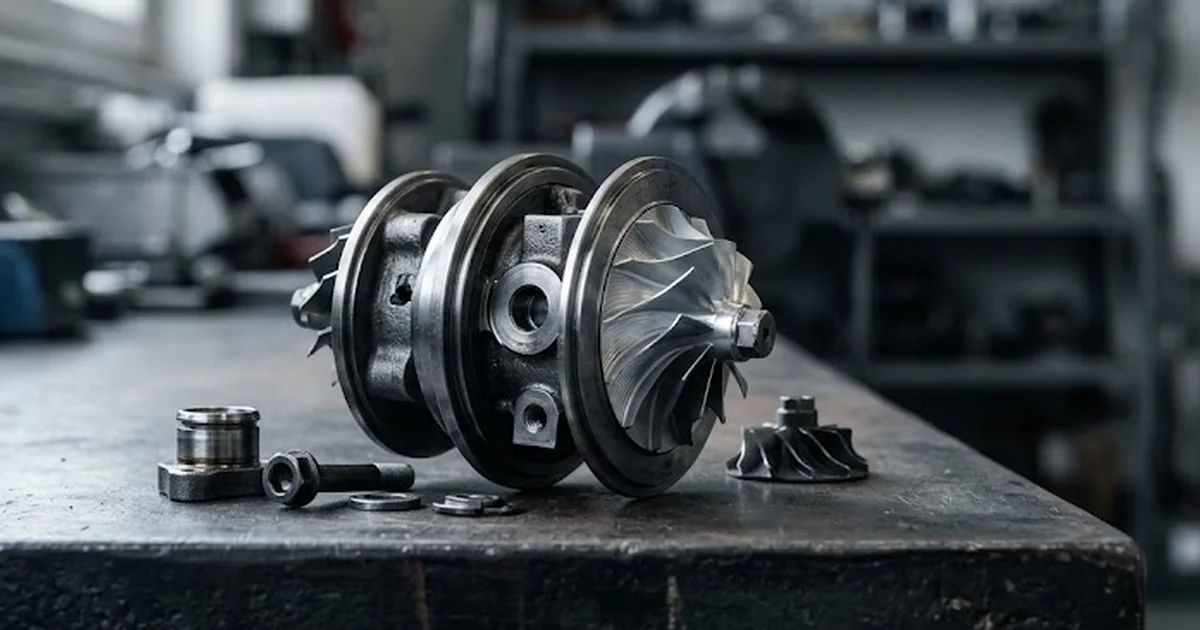 Turbocharger
Why Is My Turbo Whistling? Warning Signs and Causes
Is your turbo whistling under acceleration? Discover the differences between normal spooling and mechanical failure, from boost leaks to bearing play.
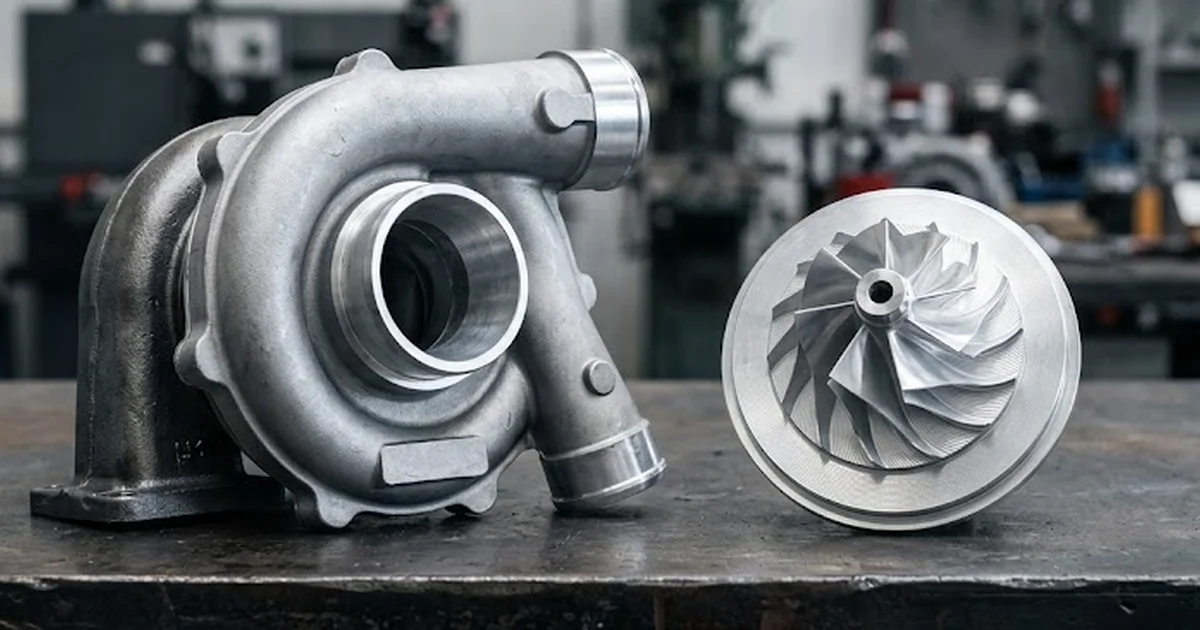 Turbocharger
How Much HP Does a Turbo Add? Power Gains & Costs
Learn how much horsepower a turbo adds across engine sizes, what drives replacement costs, and how standard exchange delivers full factory performance.
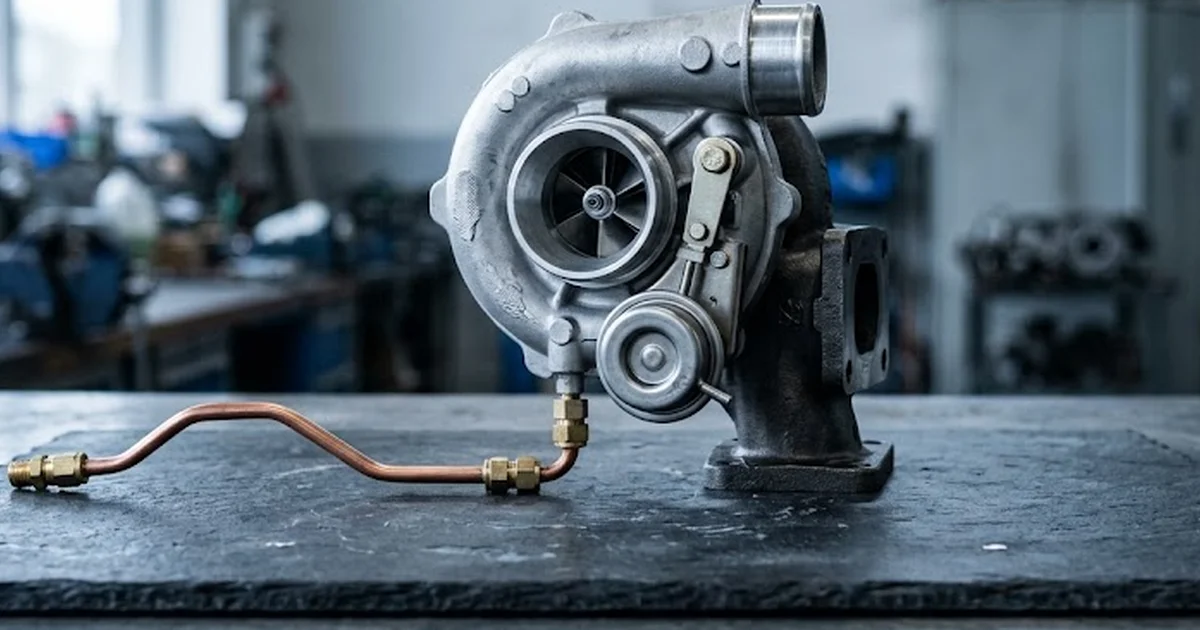 Turbocharger
Can Turbo Failure Cause Engine Damage? Key Risks & Signs
Can a failing turbo destroy your engine? Discover critical failure mechanisms, warning signs, runaway risks, and how to prevent catastrophic engine damage.