
What is a twin scroll turbo?
Discover what is a twin scroll turbo, how divided exhaust scrolls eliminate lag, boost low-end torque, and optimize efficiency. Complete technical guide.
What Is a Twin Scroll Turbo? Fundamental Principle and Architecture
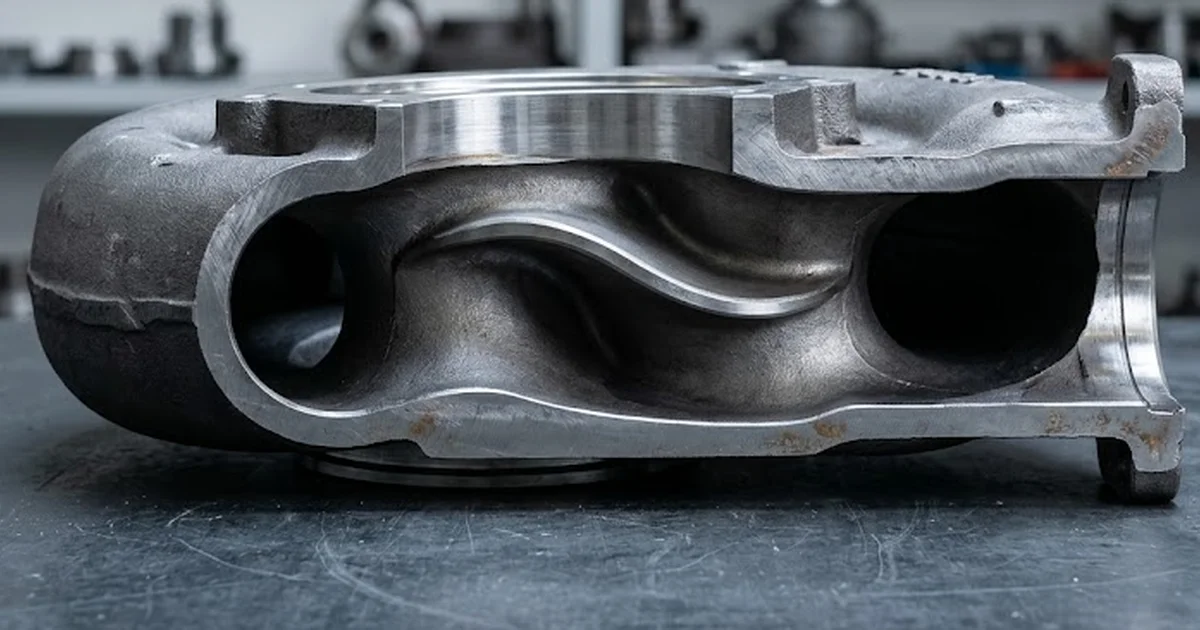
Understanding what is a twin scroll turbo begins with the turbine housing layout. In modern internal combustion engineering, forced induction relies on capturing thermal and kinetic energy from escaping exhaust gases. In a conventional forced induction assembly, exhaust gas enters a single volute chamber before striking the turbine wheel. By contrast, a twin scroll turbocharger divides the turbine housing inlet into two distinct spiraling passages that guide exhaust gases separately toward the turbine wheel blades. This divided turbine casing eliminates pulse collision and preserves dynamic energy, resolving the traditional compromise between low-end throttle responsiveness and high-RPM power output. To understand how this architecture innovates on classic turbocharging, reviewing how does a turbo work provides a baseline for evaluating single-entry versus divided-entry housings.
Exhaust scroll separation ensures that the turbine housing is divided into Two independent channels that direct gas pulses toward the turbine wheel. Rather than dumping all engine cylinders into a shared collector manifold, a twin scroll design groups cylinders that fire out of phase with each other. As each cylinder completes its power stroke and the exhaust valve cracks open, a high-velocity pulse of exhaust gas surges down the runner. In a single scroll housing, this expanding pressure wave encounters open exhaust valves from neighboring cylinders, creating aerodynamic interference and reversion. In a twin scroll configuration, the two distinct channels preserve the kinetic energy of each pressure pulse, directing focused pulses onto opposite sides of the turbine wheel to initiate rotation far earlier in the engine rev band.
- Dual-passage turbine volute: Two aerodynamic spiral scrolls cast directly inside the cast iron or ductile iron turbine housing, tapering smoothly to accelerate exhaust velocity toward the turbine wheel circumference.
- Dividing wall (septum): A high-temperature cast metal partition running through the turbine inlet flange and deep into the volute throat, keeping gas streams physically isolated until the final nozzle entry point.
- Divided turbine inlet flange: A twin-aperture mounting interface requiring a matching split exhaust manifold to maintain cylinder grouping from the exhaust ports to the turbine housing.
- Segmented gas flow nozzles: Precisely angled discharge areas inside the housing that direct pulses at different angles across the turbine wheel blades, maximizing mechanical leverage at low gas volumes.
- Specialized wastegate bypass porting: Dual internal wastegate valves or a contoured single flapper that seals both scrolls simultaneously to prevent cross-bleeding between channels when boost pressure builds.
Exhaust Pulse Interference: How Divided Volutes Solve Scavenging Conflicts
To appreciate the efficiency gains of a twin scroll setup, one must examine the fluid dynamics of engine scavenging and exhaust valve timing. During the four-stroke combustion cycle, the exhaust phase begins with a high-pressure blowdown pulse as the exhaust valve opens before bottom dead center. This rapid discharge accounts for the majority of available kinetic energy. Following blowdown, the piston moves upward to push remaining gases out during the scavenging stroke. In high-performance and modern downsized engines, camshaft profiles feature valve overlap, a period where both intake and exhaust valves remain open simultaneously to sweep residual gases out using incoming fresh air.
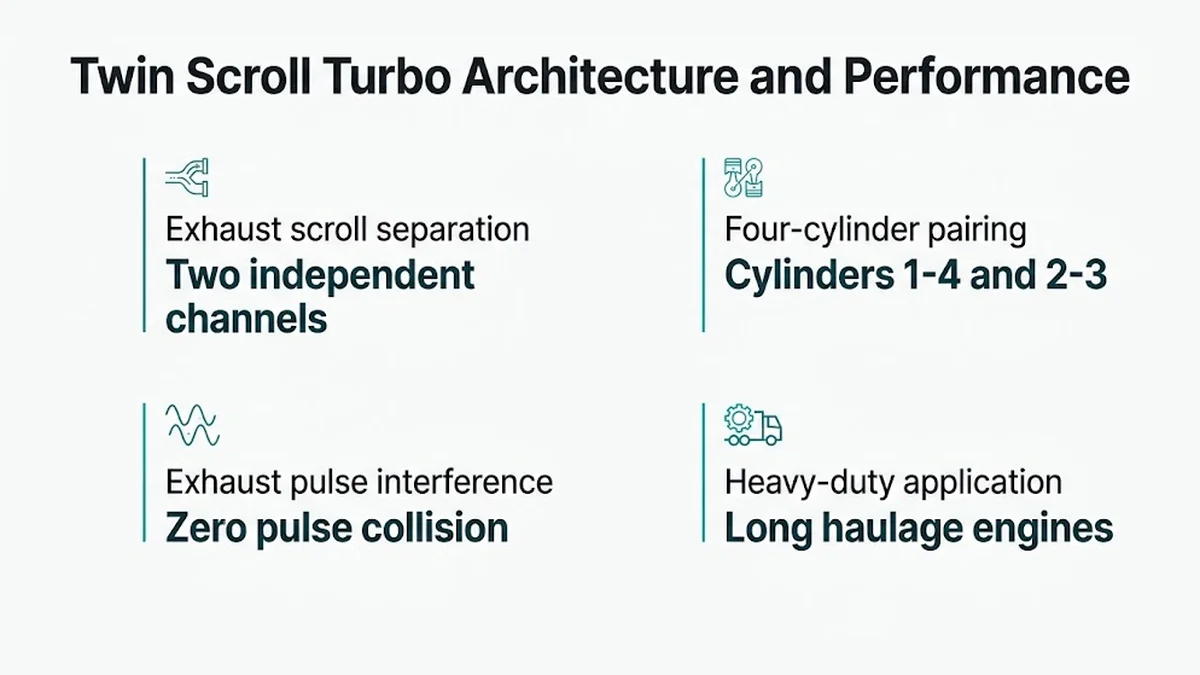
In an undivided manifold, exhaust pulse interference degrades this cycle. When cylinder one is in its valve overlap phase, cylinder three or two (depending on firing order) begins its violent exhaust blowdown stroke. The resulting pressure surge travels backward into the open exhaust valve of cylinder one, contaminating the combustion chamber with hot residual gas, raising internal cylinder temperatures, and impeding fresh intake air delivery. Eliminating exhaust pulse interference between alternating combustion cycles achieves Zero pulse collision, allowing each cylinder to scavenge exhaust gases without backpressure. In a typical four-cylinder pairing, Cylinders 1-4 and 2-3 are grouped into separate exhaust runners to prevent blowdown overlap.
- Exhaust valve opening on cylinder 1: The power stroke transitions to exhaust discharge, releasing a high-energy kinetic pulse into primary manifold channel A.
- Direct pulse transmission: The shockwave travels unobstructed through runner A and enters scroll passage A, imparting immediate rotational force to the turbine wheel blades.
- Isolated scavenging on cylinder 3: While channel A is pressurized, cylinder 3 finishes its exhaust stroke through channel B. Because the septum isolates channel B from channel A, cylinder 3 experiences no backpressure wave.
- Clean valve overlap: Fresh intake air flushes cylinder 1 during overlap without contamination from cylinder 3, keeping intake charge density high and cylinder head temperatures low.
- Alternating impulse cycle: When cylinder 2 fires into channel B, cylinder 4 scavenges cleanly through channel A, maintaining continuous alternating gas pulses at the turbine wheel.
Twin Scroll vs Single Scroll vs Twin Turbo: Engineering Trade-Offs
Vehicle manufacturers and performance engineers select turbocharger configurations based on strict packaging constraints, cost limitations, thermal targets, and desired engine response characteristics. A twin scroll design occupies a strategic middle ground between the simplicity of a standard single scroll turbo and the complex packaging of a twin-turbocharged powertrain. While a single scroll unit remains lightweight and straightforward to manufacture, it struggles with transient lag on small-displacement engines unless paired with high-cost variable geometry mechanisms. A twin-turbo setup delivers exceptional response by utilizing two smaller turbochargers, but introduces significant weight, dual oil feeds, multiple cooling lines, and intricate intercooler piping.
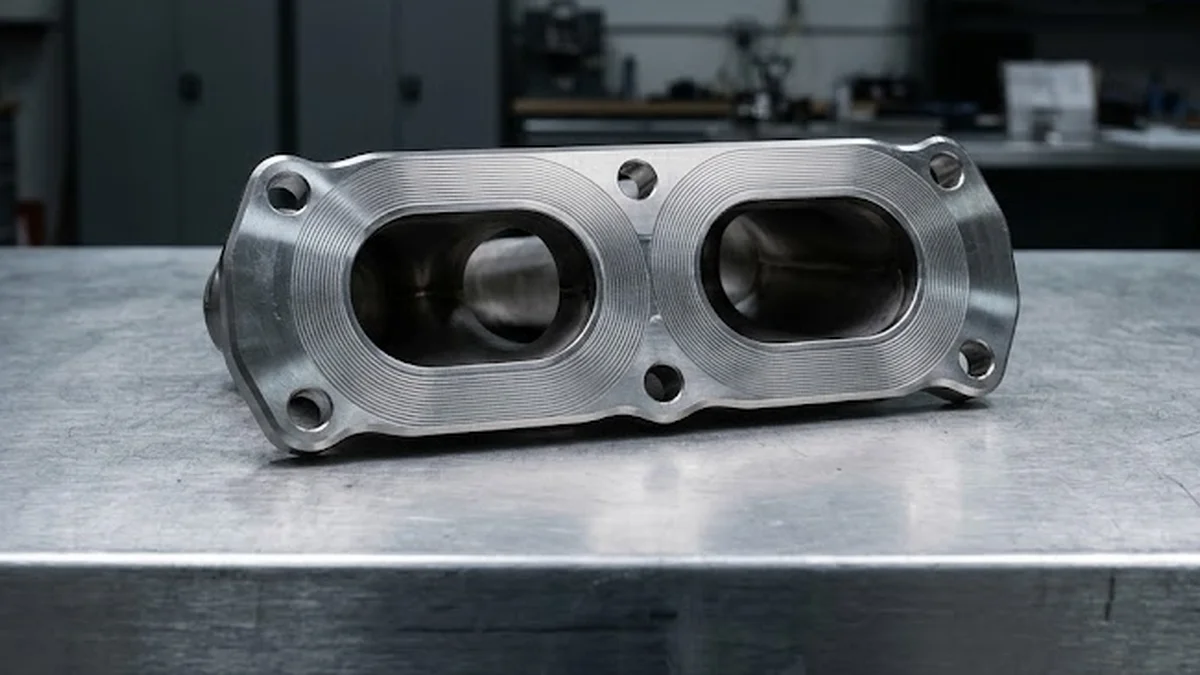
The divided architecture of the twin scroll turbine delivers rapid spool-up response comparable to smaller parallel turbochargers while preserving the high-RPM volumetric efficiency of a larger single turbine housing. Because exhaust pulses remain organized and concentrated, the turbine wheel begins spinning at substantially lower engine speeds. The table below outlines how twin scroll technology compares directly against competing forced induction configurations across fundamental engineering parameters.
| Engineering Parameter | Single Scroll Turbo | Twin Scroll Turbo | Twin Turbo (Parallel) |
|---|---|---|---|
| Turbine Housing Inlets | Single undivided chamber | Two independent channels | Two separate turbocharger units |
| Exhaust Pulse Management | Pulses collide in collector | Isolated by paired cylinders | Isolated by separate cylinder banks |
| Boost Threshold (Spool RPM) | Higher RPM; noticeable turbo lag | Low RPM; rapid transient spool | Very low RPM; instantaneous response |
| System Complexity & Weight | Minimal weight and simple layout | Moderate weight; requires split manifold | High weight; dual oil, coolant, and boost lines |
| Thermal Scavenging Efficiency | Prone to exhaust gas reversion | Optimized scavenging; no reversion | High scavenging efficiency per bank |
| Manufacturing & Maintenance | Lowest casting and machining cost | Balanced reliability and cost efficiency | High component count and labor intensity |
As demonstrated in the comparison, twin scroll turbocharging provides a balanced mechanical solution. It avoids the fragile moving vanes found in variable geometry turbochargers (VGT), which are prone to sticking when exposed to the high exhaust gas temperatures typical of gasoline engines. By relying purely on stationary, hydrodynamic casting geometry, the twin scroll system achieves high transient efficiency while maintaining long-term mechanical reliability under severe thermal cycling.
Industrial and Performance Applications: Heavy-Duty Transport to Road Cars
The operational strengths of twin scroll turbochargers extend far beyond sporting vehicles. In passenger cars, automotive manufacturers utilize twin scroll units to support aggressive engine downsizing. By pairing small-displacement four-cylinder and inline six-cylinder engines with divided turbine housings, engineers achieve peak torque figures starting well below 2,000 RPM. This wide torque plateau allows taller transmission gearing, reducing engine speed during highway cruising and minimizing tailpipe emissions without compromising passing acceleration.
Beyond passenger vehicles, demanding heavy-duty application environments benefit significantly from divided volutes. As validated by engineering research, these systems are widely adopted in Long haulage engines where continuous thermal efficiency and reliable low-RPM torque are vital. According to published Taylor & Francis research, "Twin scroll turbochargers are widely used in the Heavy Duty (HD) truck engines for long haulage applications." In sustained transport duty cycles, keeping exhaust pulse energy focused lowers pumping losses across millions of engine revolutions, generating measurable fuel savings and reducing thermal fatigue on exhaust components.
When high-mileage road vehicles or commercial vehicles require turbocharger replacement, selecting an engineering-grade remanufactured unit restores original boost timing and flow balance. For instance, replacement assemblies such as a Turbo MAHLE unit undergo rigorous balancing and dimensional checks to ensure the divided turbine inlet and internal septum match original equipment tolerances. Precision remanufacturing ensures that the narrow clearance between the dividing wall and the turbine wheel perimeter is preserved, preventing internal gas bypassing between the two independent channels.
Technical Advantages and Mechanical Challenges of Twin Scroll Systems
The primary advantage of a twin scroll turbocharger is the reduction of turbine spool time, commonly referred to as turbo lag. Because exhaust gas pulses are separated into narrow channels, their velocity remains high even when total exhaust gas mass flow is modest at low engine speeds. This rapid gas velocity hits the turbine wheel with distinct pressure impulses, driving boost pressure upward hundreds of revolutions per minute earlier than an equivalent single scroll design. Additionally, the elimination of pulse reversion enables automotive calibrators to increase camshaft valve overlap. With cleaner combustion chambers free from trapped exhaust gas, incoming fuel-air mixtures remain cooler, significantly lowering the risk of engine knock (detonation) and permitting more advanced ignition timing.
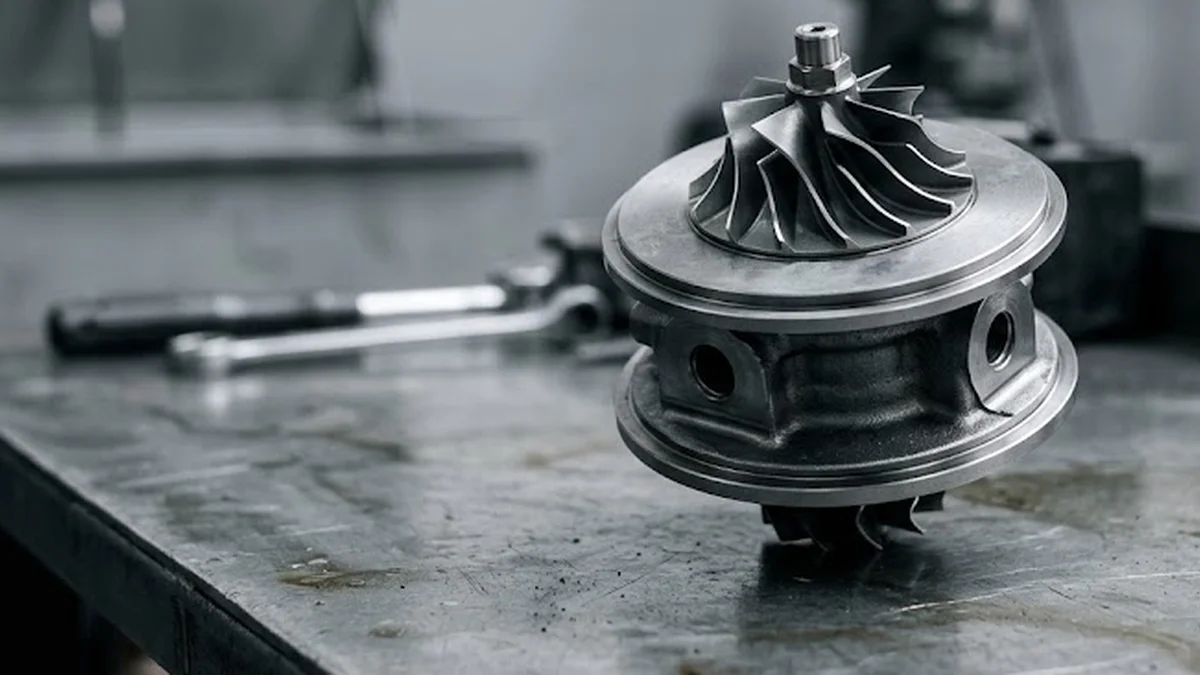
However, the divided housing architecture presents specific metallurgical and mechanical challenges that mechanics and powertrain specialists must monitor. The central divider wall inside the turbine housing is subjected to extreme thermal stress. It is exposed to exhaust gas streams on both sides without direct contact with the external ambient air cooling the outer housing shell. Over repeated thermal cycles—rapidly heating to over 900 degrees Celsius under load and cooling after shutdown—this thin divider wall expands and contracts at a different rate than the heavier outer volute walls.
The twin scroll design isolates conflicting exhaust pulses to channel kinetic energy directly onto the turbine wheel, enabling rapid boost development without the mechanical vulnerability of movable vanes.
If vehicle maintenance is neglected, or if an engine is operated with an excessively lean air-fuel ratio, thermal fatigue can cause hairline cracking along the leading edge of the internal divider. Furthermore, a twin scroll turbocharger cannot function effectively without a dedicated divided exhaust manifold. Installing a twin scroll turbine on an open, undivided tubular manifold ruins its gas dynamics, creating severe turbulence at the inlet flange and generating higher backpressure than a conventional single-entry housing.
Diagnosis, Maintenance Protocols, and Replacement Best Practices
Diagnosing an aging or failing twin scroll turbo requires close attention to both mechanical integrity and housing condition. Because twin scroll units rely on narrow internal passages, they are particularly sensitive to carbon buildup, oil coking, and thermal distortion. When diagnosing driveability issues on a vehicle equipped with a divided turbo, technicians should look for specific symptoms:
- Sluggish boost threshold: If a previously responsive engine exhibits pronounced turbo lag at low RPM while maintaining adequate peak boost at high RPM, internal gas leakage across a cracked or eroded dividing wall is a primary suspect.
- Exhaust manifold flange soot deposits: Carbon tracking around the twin-entry flange indicates a compromised gasket or warped mating surface, allowing high-pressure pulses to bleed off before entering the turbine volute.
- High-pitched whistling or siren noises: Distinct from normal spool sound, metallic whistling often signals wheel contact with the housing or internal aerodynamic disturbance caused by a distorted volute septum.
- Wastegate rattle and boost fluctuation: In twin scroll housings with dual-port wastegate valves, uneven wear on the flapper pivot arm can cause improper sealing across one scroll, leading to erratic boost control under partial load.
- Shaft play and oil seal leakage: Excessive radial or axial play in the central housing rotating assembly (CHRA) permits motor oil to bypass piston ring seals, contaminating the exhaust scroll and leading to carbon buildup that restricts gas passage volume.
When workshop inspection confirms that a turbocharger has reached the end of its service life, following strict replacement procedures is mandatory. Technicians must inspect the divided exhaust manifold runners for internal flaking or cracks. During reassembly, all mounting hardware must be torqued to specification using a high-temperature multilayer steel gasket kit to maintain total separation between the two exhaust runners. Reusing an old crushed gasket or applying liquid sealant to the exhaust flange will cause pulse cross-bleeding and premature gasket burnout.
Before connecting the exhaust downpipe and oil lines, the technician must prime the oil inlet port with clean engine oil and rotate the turbine wheel manually to establish a hydrodynamic fluid film on the journal bearings. In commercial fleets and passenger vehicle repair, opting for a remanufactured standard exchange turbo provides an environmentally responsible and cost-effective repair path. Returning the worn core under the structured core deposit framework allows high-strength cast iron housings to be inspected, remachined, and fitted with certified new rotating assemblies, restoring factory performance without unnecessary raw material consumption.
Synthesis: Optimizing Boost Delivery with Standard Exchange Solutions
The twin scroll turbocharger remains one of the most effective mechanical solutions for combining low-end responsiveness, high-RPM output, and thermal efficiency. By pairing engine cylinders according to their combustion firing order, divided exhaust housings harness the kinetic energy of individual exhaust pulses while eliminating scavenging interference across open exhaust valves. Whether operating under the rigorous demands of cross-country transport or enhancing the dynamic performance of downsized passenger cars, twin scroll technology delivers tangible performance gains without the delicate moving components of variable-vane mechanisms.
Maintaining peak efficiency requires vigilant monitoring of thermal stress, leak-free exhaust manifolds, and prompt replacement of worn rotating assemblies before housing damage occurs. To find an exact replacement matching specific vehicle applications and engine configurations, explore the complete turbocharger catalog to review verified remanufactured solutions built for durability and original boost performance.
A question?
Get in touch directly.

Discussion
Our advice related to Turbocharger
 Turbocharger
Why Is My Turbo Whistling? Warning Signs and Causes
Is your turbo whistling under acceleration? Discover the differences between normal spooling and mechanical failure, from boost leaks to bearing play.
 Turbocharger
How Much HP Does a Turbo Add? Power Gains & Costs
Learn how much horsepower a turbo adds across engine sizes, what drives replacement costs, and how standard exchange delivers full factory performance.
 Turbocharger
Is a Turbo Covered Under Warranty? Coverage & Exclusions
Wondering if a turbo is covered under warranty? Learn what parts guarantees protect, common failure exclusions, and essential claim requirements to know.