
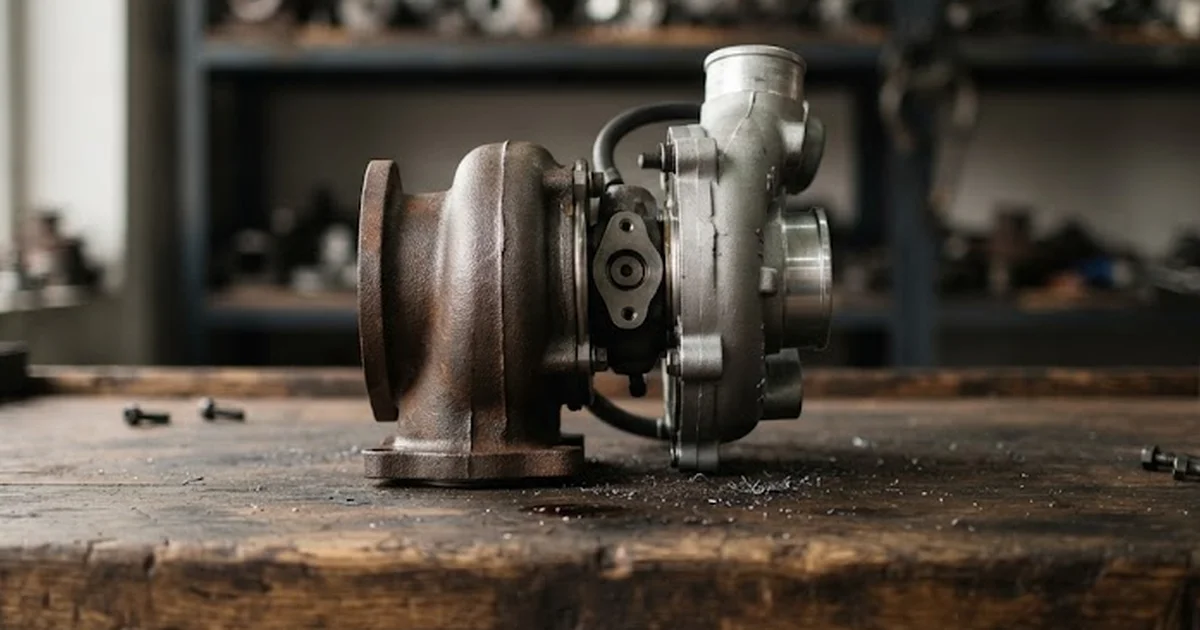
How does a turbo work?
Discover how a turbocharger works, its key components, common failure signs, and maintenance tips to keep your engine performing at its best.
If you have ever wondered how a small metal unit bolted to an engine can unlock so much extra power, you are asking the right question. Turbochargers are fitted to the vast majority of modern petrol and diesel engines, yet most drivers have never actually seen one up close or understood what happens inside that spinning housing. This guide breaks down exactly how a turbo works, what its components do, and why looking after it matters just as much as looking after the engine itself.
How Does a Turbo Work? The Core Principle Explained
At its heart, a turbocharger is a device that forces more air into your engine's cylinders than the engine could draw in on its own. More air means more oxygen, and more oxygen means you can burn more fuel with each combustion cycle. The result is more power from the same size of engine, which is exactly why turbocharging has become the go-to solution for manufacturers trying to balance performance with fuel economy and emissions targets.
The clever part is where the turbo gets its energy from. Rather than using a belt driven off the engine like a supercharger, a turbocharger recycles energy that would otherwise be wasted. Here is the basic sequence:
- Hot exhaust gases leave the engine after combustion and flow towards the exhaust manifold.
- These gases are directed through the turbine housing, spinning a turbine wheel at extremely high speed.
- The turbine wheel is connected by a shaft to a compressor wheel sitting on the opposite side of the unit.
- As the compressor wheel spins, it draws in fresh air and compresses it before sending it towards the engine's intake.
- This compressed, denser air is pushed into the cylinders, allowing more fuel to be burned and more power to be produced.
This entire cycle happens continuously and almost instantaneously once the engine is running, with turbine speeds regularly exceeding 150,000 to 250,000 revolutions per minute depending on the design and application.
The Main Components of a Turbocharger System
A turbo is not a single part but a small system of precision-engineered components working together under extreme heat and rotational stress. Understanding each part helps explain why turbos can fail and what tends to go wrong first.
- Turbine wheel and housing: captures energy from exhaust gases and converts it into rotational force.
- Compressor wheel and housing: draws in and compresses ambient air before it reaches the engine.
- Centre shaft and bearings: connects the two wheels and allows them to spin at very high speeds with minimal friction.
- Wastegate: a valve that regulates boost pressure by diverting excess exhaust gas away from the turbine when needed.
- Intercooler: cools the compressed air after it leaves the turbo, making it denser before it enters the engine.
- Oil and coolant feeds: lubricate and cool the bearings, which are subjected to enormous heat and rotational stress.
Every one of these parts has to work in harmony. A worn bearing, a sticking wastegate, or a failing seal can throw the whole system out of balance and lead to reduced performance, unusual noises, or complete turbo failure.
Petrol Turbo vs Diesel Turbo: Are They Built the Same Way?
While the fundamental operating principle is identical, turbochargers designed for petrol engines and diesel engines are not interchangeable and often differ significantly in their construction and calibration.
| Feature | Petrol Engine Turbo | Diesel Engine Turbo |
|---|---|---|
| Operating temperatures | Generally higher exhaust gas temperatures | Lower exhaust gas temperatures |
| Boost response | Often tuned for quicker spool-up | Frequently larger, tuned for sustained torque |
| Wastegate type | Commonly internal or electronic | Often variable geometry (VGT/VNT) |
| Typical failure points | Heat-related bearing wear, oil coking | Actuator and vane mechanism sticking |
This is why choosing a replacement or reconditioned turbo that matches your engine's exact specification is so important. A unit designed for one fuel type or engine configuration will not perform correctly, and may even fail quickly, if fitted to the wrong application.
Why Turbo Lag Happens and How Modern Turbos Reduce It
One of the most commonly misunderstood aspects of turbocharging is lag, the slight delay between pressing the accelerator and feeling the extra power arrive. This happens because the turbine needs a certain volume of exhaust gas flow to spin up to an effective speed, and at low engine revs there simply is not enough exhaust energy available yet.
Manufacturers have developed several strategies to reduce this delay:
- Smaller turbine wheels that spool up faster at lower exhaust flow rates.
- Twin-scroll turbine housings that separate exhaust pulses for more efficient energy use.
- Variable geometry turbines that adjust vane angles to optimise gas flow across the rev range.
- Twin-turbo setups that use a small turbo for quick response and a larger one for sustained high-end power.
- Electric turbochargers that use a small electric motor to spin the compressor before exhaust flow is sufficient.
Each of these approaches tries to solve the same fundamental problem: giving you usable power as early as possible in the rev range without sacrificing top-end performance.
Signs Your Turbocharger May Be Failing
Because a turbo operates at such high speeds and temperatures, it is also one of the components most likely to show early warning signs before a complete breakdown. Catching these symptoms early can save you from a far more expensive repair bill later.
- A noticeable loss of power or sluggish acceleration compared to normal.
- Blue or grey smoke from the exhaust, often indicating oil is leaking past worn seals and burning in the combustion chamber.
- A whining, whistling, or high-pitched siren-like noise under acceleration.
- Excessive oil consumption without any visible external leaks.
- A warning light on the dashboard, often related to boost pressure or engine management.
- Visible play or movement when gently checking the turbine or compressor wheel by hand (only ever with the engine off and by someone competent to do so).
From what we see day to day at autoKUR, the turbos that fail earliest are almost never let down by the turbo itself, they are let down by poor oil maintenance. Sludge, contaminated oil, and skipped oil changes starve the bearings of clean lubrication long before the turbine or compressor wheel ever wears out. If you want your turbo to last, treat your oil changes as non-negotiable, not optional.
How to Look After Your Turbo and Extend Its Lifespan
A turbocharger is a precision component, but it does not need to be fragile if it is looked after correctly. Most premature turbo failures come down to a handful of avoidable habits rather than genuine manufacturing defects.
- Let the engine idle briefly before switching it off after a hard or high-speed drive, giving the turbo time to cool rather than starving hot bearings of oil the instant the engine stops.
- Stick to the recommended oil change intervals and always use an oil grade suited to turbocharged engines.
- Avoid harsh acceleration on a cold engine, since oil takes time to reach full lubricating temperature and viscosity.
- Address boost-related warning lights immediately rather than continuing to drive and risk further damage.
- Check for oil leaks and unusual smoke regularly, as these are often the earliest visible clues of a developing problem.
Below is a quick reference summary of the habits that protect a turbo versus those that quietly damage it over time.
| Good Practice | Damaging Habit |
|---|---|
| Regular, correctly specified oil changes | Extending oil change intervals to save money |
| Allowing a cool-down period before switching off | Switching off immediately after hard driving |
| Gentle driving until the engine reaches temperature | Full throttle from a cold start |
| Investigating unusual noises promptly | Ignoring whining or whistling sounds |
Turbo Failure: Repair, Recondition, or Replace?
When a turbo does eventually fail, you are usually faced with three options: repairing individual components, fitting a reconditioned unit, or installing a brand new turbocharger. Each route has its place depending on the extent of the damage, the age of the vehicle, and your budget.
- Repair: suitable when the damage is isolated to a specific part, such as an actuator or gasket, and the core unit is otherwise sound.
- Reconditioned turbo: a cost-effective option where the original unit is stripped, worn components replaced, and the whole assembly rebuilt and tested to original specification.
- New turbocharger: often the preferred choice for higher-mileage vehicles or where reliability and warranty cover are the top priority.
Whichever route you take, the key is matching the correct part number and specification to your exact engine code, since even visually similar turbos can have different internal geometry, wastegate calibration, or boost characteristics.
Conclusion
A turbocharger works by capturing energy from exhaust gases that would otherwise be wasted and using it to force extra compressed air into the engine, allowing more fuel to be burned and more power to be produced from the same engine size. It is an elegant piece of engineering, but one that relies heavily on clean oil, sensible driving habits, and prompt attention to early warning signs to deliver a long service life. Understanding how your turbo works puts you in a much better position to spot problems early and make informed decisions when a repair or replacement becomes necessary. If you are researching parts for your own vehicle, take a look at our Turbocharger category, where you will find a range of units to suit different makes, models, and engine specifications.
Further reading
Frequently asked questions
Everything you need to know about this topic.
A question?
Get in touch directly.
Discussion
Our advice related to Turbo
 turbo
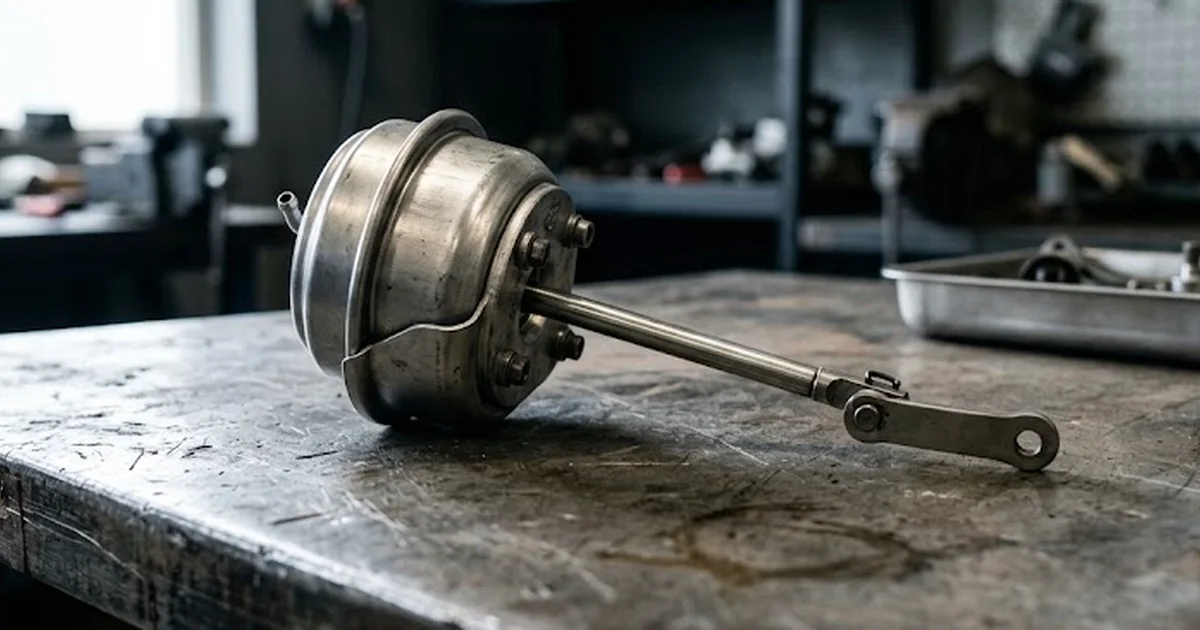
turboTurbo Actuator Replacement: What Fitting Really Involves
Thinking about turbo actuator replacement? Here's what fitting or refitting the part genuinely involves, from diagnosis to calibration and testing.
 turbo
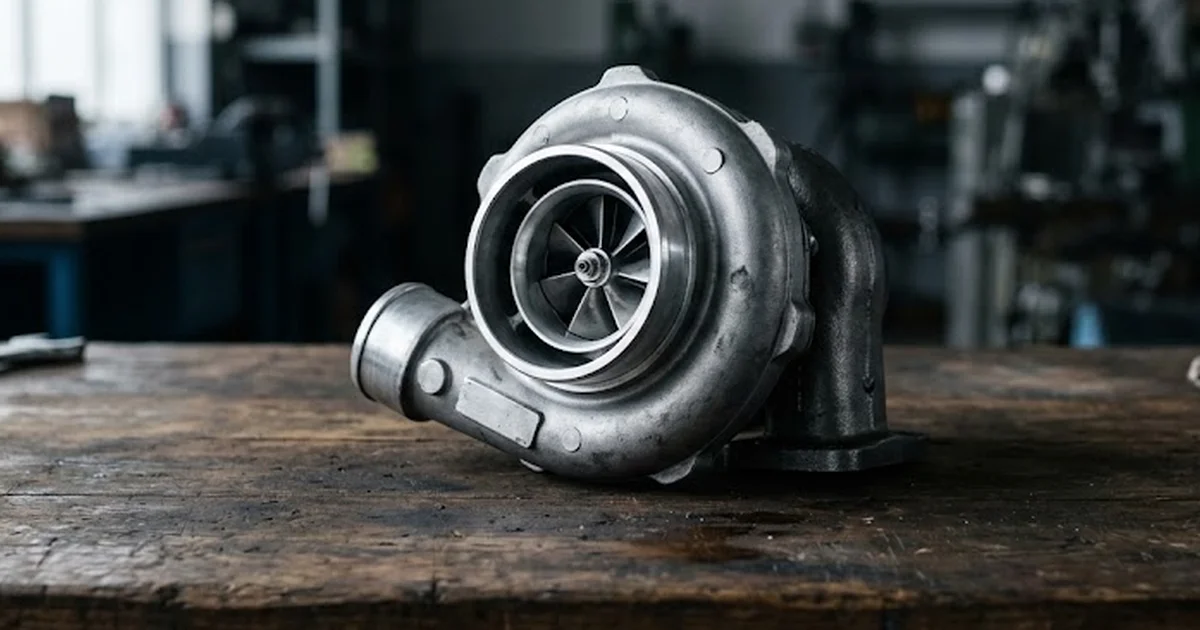
turboHow Do You Know If a Turbo Is Bad? Key Signs
Learn the telltale signs of a failing turbocharger, what causes turbo failure, and how to check your turbo before it leaves you stranded on the road.
 turbo
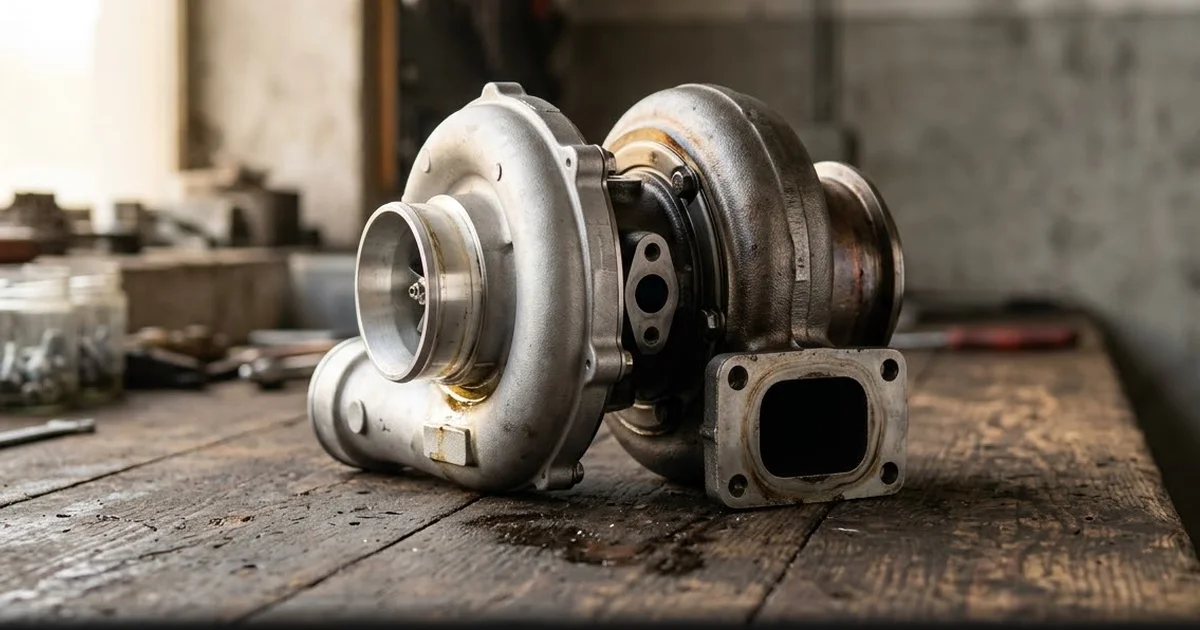
turboHow to Tell If Your Turbo Is Bad: Warning Signs
Learn how to tell if your turbo is bad before you buy a replacement. Spot the noises, smoke and power loss that reveal a genuine turbo fault.