
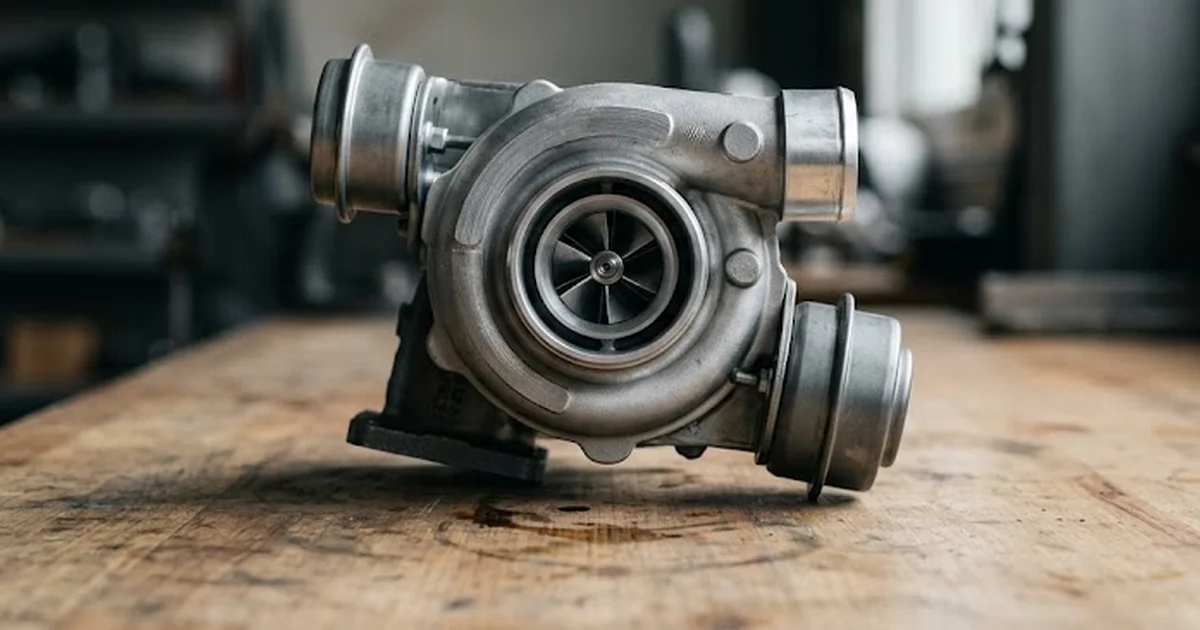
Reconditioned turbo: choosing between new, exchange and used
Deciding between a reconditioned turbo, new unit, exchange part or used option? Compare cost, reliability and lead times to choose the right fit for your car.
A failing turbocharger rarely arrives with a warning. One day the car feels sluggish, the next there's a whine under acceleration, and within a week you're staring at a garage quote wondering whether to go for a reconditioned turbo, a brand new unit, an exchange part or something pulled from a scrapyard. Each route has a different price tag, a different lead time and a very different level of risk. This guide breaks down what "reconditioned turbo" actually means, how it compares to new, exchange and used options, and how to choose the one that suits your vehicle, your budget and how long you can afford to be without your car.
What Does "Reconditioned Turbo" Actually Mean?
The phrase gets used loosely, and that looseness costs buyers money. A reconditioned turbo isn't simply a used part that's been cleaned up and boxed. Properly reconditioned means the unit has been fully stripped, inspected, and rebuilt with new wearing components before being tested to confirm it performs within factory tolerances.
- Reconditioned
- An existing turbo core is disassembled, worn parts (bearings, seals, actuator components) are replaced, and the unit is balanced and tested before sale.
- Exchange (remanufactured)
- You send back your old, faulty turbo as a core deposit and receive a professionally rebuilt unit in return, usually built from a batch of reconditioned cores rather than your specific one.
- New
- A turbocharger built entirely from new components, with no reused parts anywhere in the assembly.
- Used
- A turbo removed from a donor vehicle, typically with unknown mileage and no rebuild work carried out, sold largely as-is.
Understanding these distinctions matters because two listings that both say "reconditioned turbo" can represent very different levels of quality, testing and risk.
When a Brand New Turbocharger Is the Right Choice
Buying new removes almost every unknown from the equation, but it comes at a price that not every repair budget can absorb. It tends to make the most sense in specific circumstances rather than as a default option.
- The vehicle is relatively new, high-value, or still under a manufacturer warranty that you don't want to jeopardise.
- You plan to keep the car for many years and want the longest possible service life from the part.
- The original turbo failed catastrophically and damaged surrounding components, meaning reliability is a bigger priority than cost.
- You're working on a performance build where matched tolerances and full manufacturer specification genuinely matter.
- There's no reconditioned or exchange stock available for that specific application, which does happen with rarer engine codes.
New units generally carry the longest warranties and the fewest compatibility questions, but the lead time can be longer if the part has to be sourced or ordered in, and the price difference over a reconditioned equivalent can be substantial for what is, in daily use, a comparable level of performance.
Exchange (Remanufactured) Turbos: The Practical Middle Ground
For most everyday repairs, an exchange turbo strikes the balance that owners are actually looking for: a professionally rebuilt unit, tested before it leaves the workshop, at a price well below new. The "exchange" part of the process — sending your old core back — also keeps the overall cost down, since the rebuilder recovers a usable core rather than manufacturing one from scratch.
At autoKUR, we see exchange turbos as the sensible default for the vast majority of repairs that come through our doors. The core exchange model only works if the rebuild quality is consistent, so we treat every returned core and every outgoing unit with the same scrutiny — because a customer who gets a weak rebuild today is a customer we lose tomorrow.
A few practical points to keep in mind with exchange turbos:
- You'll usually need to return your old turbo within a set window or pay a core charge, so don't leave the failed unit sitting in the garage for months.
- Ask what testing was carried out before the unit was dispatched — a spin test and leak check are the minimum you should expect.
- Fitment kits (gaskets, oil feed lines, clamps) are often sold separately, so factor that into your budget and delivery timing.
- Warranty length varies noticeably between suppliers, so treat it as a genuine comparison point, not small print to skim past.
Used Turbos: Where the Savings Come With Real Risk
A used turbo, pulled straight from a donor vehicle with no rebuild work, is almost always the cheapest option on paper. It can be a reasonable choice for an older, lower-value car where you're trying to keep it running for another year or two rather than investing heavily in its future. But the savings come with trade-offs that are worth being honest about before you commit.
- You typically have no way to verify true mileage or how the donor engine was maintained.
- Internal wear on the bearings and shaft may not be visible from the outside, meaning failure can happen soon after fitting.
- Warranty cover, where offered at all, is often short and limited compared with reconditioned or exchange units.
- Labour costs to fit a turbo are the same whether the part is new or used, so a second failure shortly after fitting can end up costing more overall than paying slightly more upfront.
Used turbos aren't automatically a bad choice, but they're a calculated risk rather than a like-for-like alternative to a properly reconditioned unit.
Reconditioned vs New vs Exchange vs Used: Full Comparison
Laid side by side, the practical differences between the four routes become much clearer. Use this as a quick reference when a garage or supplier presents you with options.
| Option | Typical cost | Lead time | Warranty | Best suited to |
|---|---|---|---|---|
| New | Highest | Can be longer if ordered specially | Longest, often multi-year | Newer, high-value or warranty-sensitive vehicles |
| Reconditioned | Moderate | Usually fast, from stock | Solid, varies by supplier | Most everyday repairs on cars of any age |
| Exchange | Moderate to lower | Fast, subject to core return | Good, tied to rebuild quality | Owners wanting a cost-effective, tested unit |
| Used | Lowest | Fast if available locally | Short or none | Older, lower-value cars on a tight budget |
How to Decide Which Turbo Option Fits Your Car, Budget and Timeline
There's no single correct answer here — the right choice depends on the vehicle in front of you and what you actually need from it. Working through a short set of questions before you buy will save you from picking based on price alone.
- How long do you plan to keep the car? A short-term keeper doesn't need the same investment as a car you intend to run for another five years.
- What caused the original failure? Oil starvation or contamination can damage more than the turbo itself, and that affects which replacement route makes sense.
- Is the car still under any warranty? If so, check whether using a non-original part affects that cover before you order anything.
- How quickly do you need the car back on the road? Stock availability differs sharply between new, reconditioned and exchange units.
- What warranty and support does the supplier actually offer? A slightly higher price with a genuine warranty is often better value than the cheapest listing with no comeback.
Once you've answered these honestly, the decision usually narrows itself down quickly — most owners land on a reconditioned or exchange turbo, with new and used sitting at the two extremes for specific situations.
Common Signs Your Turbo Actually Needs Replacing
Before spending money on any replacement option, it's worth confirming the turbo is genuinely the problem rather than a related component such as a boost hose, sensor or wastegate actuator. Some symptoms overlap with other faults, so a proper diagnosis saves you buying a part you didn't need.
- A persistent whistling or whining noise that rises and falls with engine speed.
- Noticeably reduced power or slow acceleration, especially under load.
- Blue-grey smoke from the exhaust, which often points to oil passing through worn seals.
- Excessive oil consumption with no visible external leak.
- A dashboard warning light linked to boost pressure or engine management faults.
If more than one of these is present, it's a strong indicator the turbo itself needs attention rather than a peripheral part.
Final Thoughts: Making the Right Turbo Choice for Your Vehicle
Choosing between new, exchange, reconditioned and used isn't about finding the objectively "best" option — it's about matching the part to the car, the budget and how long you need it to last. New buys certainty at a premium. Exchange and reconditioned units offer a tested, warrantied middle ground that suits the majority of repairs. Used parts can work for older cars where cost matters more than longevity, provided you go in with realistic expectations.
Whichever route fits your situation, take the time to check what testing and warranty actually stand behind the part before you buy — that single step does more to protect you than the label on the listing ever will. If you're ready to compare options for your specific vehicle, browse our Turbocharger range to see what's currently available for your make and model.
Frequently asked questions
Everything you need to know about this topic.
A question?
Get in touch directly.
Discussion
Our advice related to Turbo
 turbo
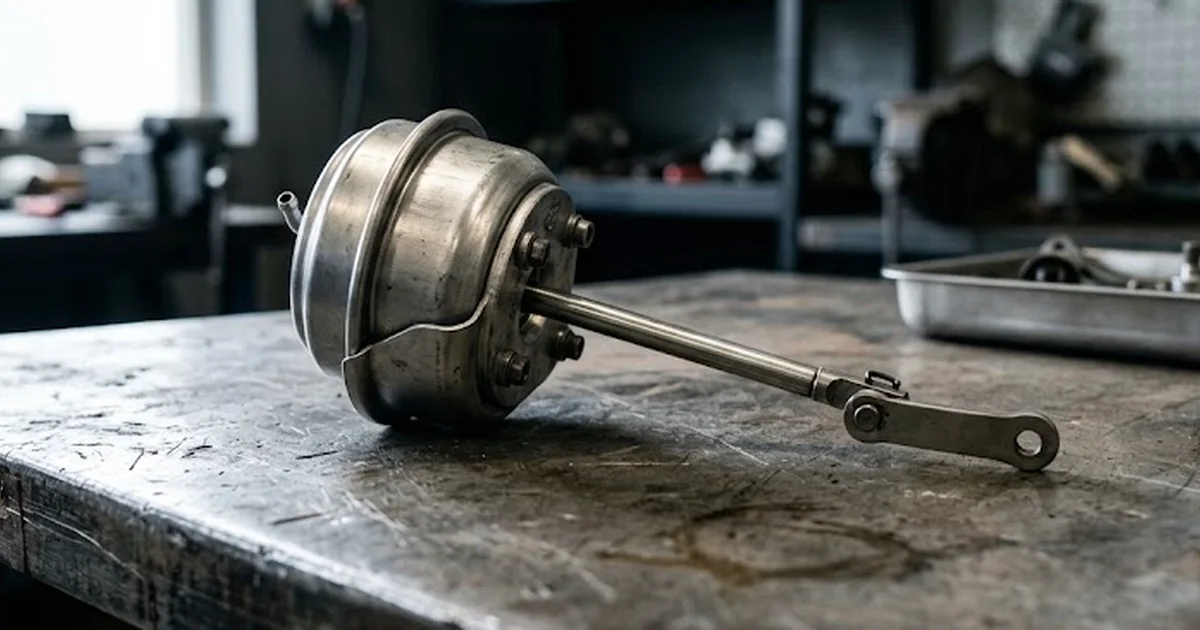
turboTurbo Actuator Replacement: What Fitting Really Involves
Thinking about turbo actuator replacement? Here's what fitting or refitting the part genuinely involves, from diagnosis to calibration and testing.
 turbo
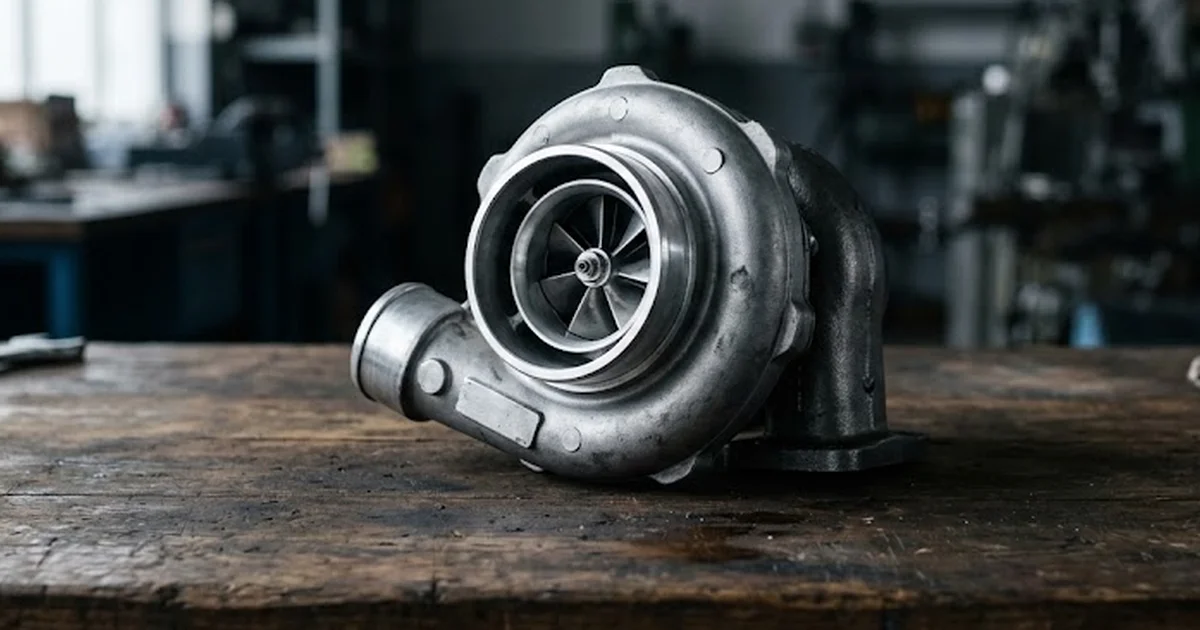
turboHow Do You Know If a Turbo Is Bad? Key Signs
Learn the telltale signs of a failing turbocharger, what causes turbo failure, and how to check your turbo before it leaves you stranded on the road.
 turbo
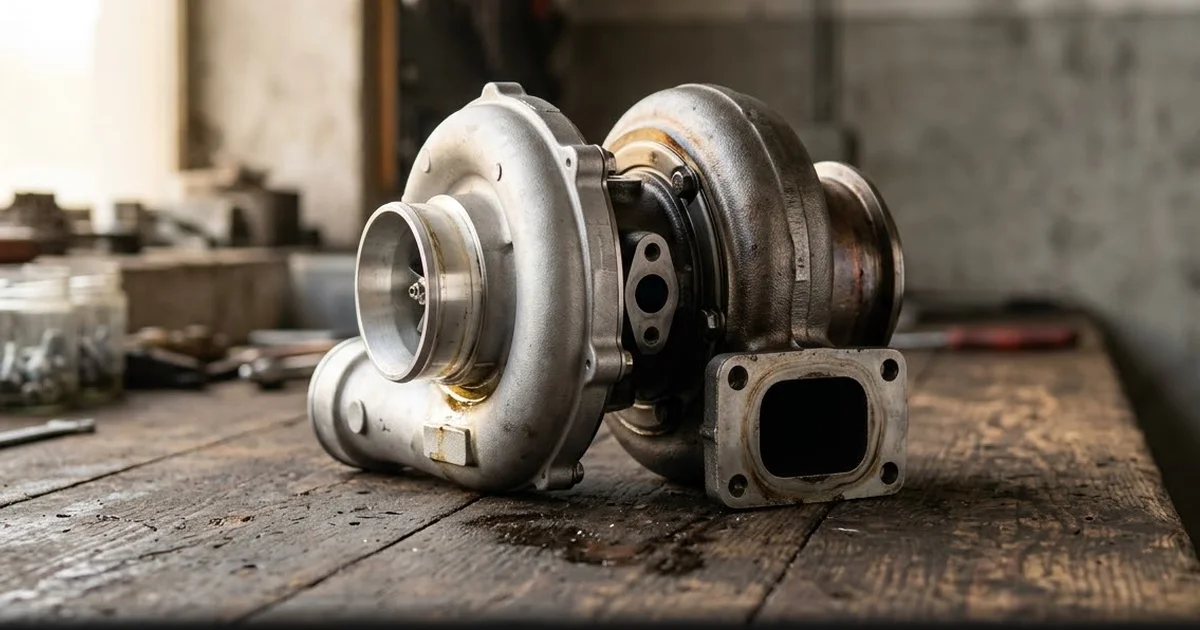
turboHow to Tell If Your Turbo Is Bad: Warning Signs
Learn how to tell if your turbo is bad before you buy a replacement. Spot the noises, smoke and power loss that reveal a genuine turbo fault.