
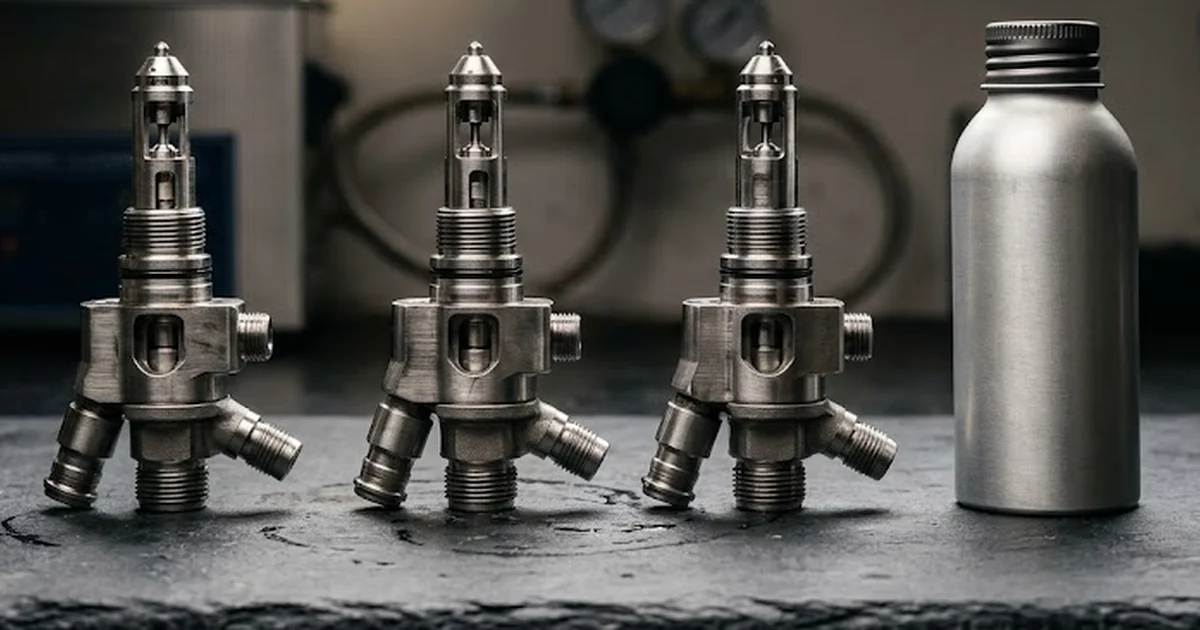
Does petrol injector cleaner work?
Does petrol injector cleaner work? Discover what fuel additives can clean, where they fail on direct injection engines, and when replacement is necessary.
How Petrol Fuel Injector Cleaners Work: The Chemistry Behind the Bottle
Every motorist encountering hesitation during acceleration, a rough idle at traffic lights, or declining fuel economy has considered buying a bottle of fuel additive. Shelves in auto parts shops and service stations are lined with treatments promising to restore lost horsepower, unclog fuel systems, and clean combustion chambers in a single tank. To evaluate whether petrol injector cleaners genuinely work, one must look past marketing promises and examine the chemical reality of fuel deposit formation and detergent dissolution.
Modern petrol engines rely on precise fuel atomisation. Petrol contains complex blends of hydrocarbons, aromatic compounds, and refining additives. During standard engine operation, especially during short trips and stop-and-go driving, high temperatures after engine shutdown cause remaining fuel trapped in the injector tip to evaporate slowly. This process, known as thermal soak, leaves behind heavy hydrocarbon fractions, gums, and varnish. Over tens of thousands of kilometres, these microscopic residue layers bake onto the injector pintle, needle seat, and micro-metering orifices. When deposits restrict these openings, the injector can no longer produce the fine, conical mist necessary for rapid flame propagation, leading to poor fuel atomisation, incomplete combustion, and uneven power delivery.
Pour-in fuel injector cleaners rely on industrial detergents formulated to dissolve these specific deposits. The effectiveness of any over-the-counter additive depends almost entirely on its active chemical compound. Extensive automotive engineering literature, including research published by technical bodies such as SAE International on intake system deposits and detergent performance, demonstrates that the molecular composition of the additive determines whether it removes carbon or simply burns harmlessly with the fuel.
- Polyetheramine (PEA): The most potent and chemically resilient deposit-control additive available in modern fuel chemistry. PEA molecules feature a robust nitrogen-rich polar head and an ether-based polymeric backbone. Unlike older detergents, PEA does not degrade in the high-heat environment of the combustion chamber. It actively survives cylinder temperatures to strip baked-on carbon from injector nozzles, piston crowns, and combustion chambers.
- Polyisobutylene Amine (PIBA): An effective detergent for moderate-temperature zones in the fuel delivery system. PIBA binds effectively to organic varnishes and low-temperature gums, dispersing them into the fuel stream so they burn off during combustion. However, PIBA tends to break down at extreme temperatures and can leave secondary residues if formulated without appropriate carrier oils.
- Polyisobutylene Succinimide (PIBSI): Frequently deployed in standard refinery-treated pump fuel for general system cleanliness. PIBSI prevents new deposit formation on fuel lines and intake runners, acting primarily as a preventative detergent rather than a deep-cleaning solvent for heavily fouled injectors.
- Light Petroleum Solvents and Carrier Oils: Solvents like mineral spirits or aliphatic hydrocarbons provide the fluid carrier that transports the active polymers into the fuel tank and through the fuel pump, keeping the dissolved carbon suspended until it exits through the exhaust stroke.
When an additive contains a high concentration of active Polyetheramine, it genuinely dissolves soft varnish layers and early-stage carbon crusting from injector tips. However, its cleaning capacity is governed by contact time, chemical concentration, and the physical location of the deposit within the engine architecture.
Port Fuel Injection vs Direct Injection: Why Results Differ Drastically
A primary reason drivers report contradictory experiences with petrol injector cleaners is the fundamental difference in fuel injection architecture. A chemical treatment that produces noticeable improvements in one vehicle may produce virtually zero measurable change in another simply because of where and how the fuel enters the air stream.
In traditional Port Fuel Injection (PFI), also known as Multi-Point Injection (MPI), the injector is positioned in the intake runner upstream of the combustion chamber. It operates at relatively low fuel pressures, typically between 3 and 5 bar. The injector sprays petrol directly onto the back of the intake valve. In this design, detergent-rich petrol constantly washes over the valve tulip and stem before being sucked into the cylinder. If a PFI vehicle suffers from light intake valve deposits or a gummed injector nozzle, a quality PEA cleaner running through two consecutive tanks of fuel can visibly clear the spray path, restoring engine smoothness and throttle response.
Conversely, modern Gasoline Direct Injection (GDI, also designated as FSI, TSI, EcoBoost, or DISI) features injectors mounted directly inside the combustion chamber. These injectors operate under severe conditions, facing combustion pressures and intense radiant heat while delivering fuel at immense pressures ranging from 150 to over 350 bar. The nozzle tip contains microscopic laser-drilled orifices designed to atomise petrol at supersonic speeds. While fuel additives do flow through GDI injectors, they bypass the intake valves entirely. In direct injection engines, oil mist from the positive crankcase ventilation (PCV) system and soot from exhaust gas recirculation (EGR) coat the backs of the intake valves without ever meeting detergent-treated petrol. Pouring additive into the fuel tank of a GDI car will never remove carbon build-up from intake valves.
The chemical dynamics of removing fuel-based varnishes also contrast sharply with diesel systems, where soot and paraffin wax present different cleaning challenges, as detailed in our analysis of whether do diesel injector cleaners work across high-pressure common rail platforms. In petrol systems, the primary objective is dissolving oxidized fuel polymers rather than breaking down diesel tar.
| Parameter / Condition | Port Fuel Injection (PFI / MPI) | Gasoline Direct Injection (GDI / FSI) | Severe Mechanical Failure |
|---|---|---|---|
| Operating Fuel Pressure | 3 to 5 bar (low pressure) | 150 to 350+ bar (high pressure) | Any system pressure |
| Intake Valve Cleaning via Additive | Yes, fuel constantly washes valve backs | No, fuel sprays directly into cylinder | Irrelevant to internal component failure |
| Nozzle Tip Varnish Dissolution | High effectiveness with PEA additives | Moderate effectiveness on soft carbon | None (cannot restore mechanical wear) |
| Remediation of Misfire Codes | Effective if caused by light spray fouling | Rarely clears hard baked tip deposits | Zero (requires physical replacement) |
| Risk of Thermal Degradation | Low (cooler intake manifold environment) | High (nozzle exposed to combustion flame) | Not applicable |
On GDI engines, deposits at the nozzle tip become baked into hard, ceramic-like carbon due to exposure to direct flame fronts. While a high-grade chemical cleaner can prevent soft gum accumulation from hardening, it lacks the mechanical force required to chisel away hardened carbon nodules that distort high-pressure spray patterns.
In-Tank Additives vs Professional Ultrasonic Cleaning: The Dilution Reality
To understand the practical limits of store-bought additives, one must examine the mathematics of dilution. A standard consumer bottle of injector cleaner contains roughly 300 to 500 millilitres of fluid. Within that bottle, active detergent polymers (such as PEA) typically comprise between 10% and 30% of the volume, with the remainder consisting of carrier solvents. When this bottle is emptied into a 50-litre or 60-litre fuel tank, the actual concentration of active cleaning chemistry circulating through the fuel lines is diluted to fractions of a single percent.
This mild chemical mixture is designed to clean gradually over 500 kilometres of driving without damaging delicate fuel tank sending units, rubber fuel lines, or exhaust oxygen sensors. While safe, this low concentration cannot dissolve stubborn, high-temperature carbon crusts or dislodge rust flakes trapped within the injector micro-filter.
By comparison, a professional automotive workshop or reconditioning facility approaches injector cleaning as a mechanical and physical restoration process. When injectors are pulled from the engine block, technicians follow rigorous removal protocols, such as those outlined in our technical walkthrough on how to remove a fuel injector safely without damaging the fuel rail or electrical harness connectors.
Once removed, professional diagnostics follow a multi-stage physical cleaning process:
- Electrical Coil and Resistance Testing: The injector solenoid or piezoelectric crystal is tested with an ohmmeter to confirm internal electrical winding continuity and resistance against factory specifications.
- Pre-Cleaning Flow and Spray Pattern Analysis: Injectors are mounted on a dedicated diagnostic test bench that measures dynamic flow rate, static flow volume, and spray pattern symmetry across varying simulated engine speeds.
- Immersion in Ultrasonic Chemical Baths: Injectors are submerged in concentrated industrial cleaning solutions heated to 50°C. While submerged, ultrasonic transducers emit sound waves that generate microscopic cavitation bubbles. These bubbles implode against metal surfaces, physically blasting baked carbon off the pintle, needle seat, and internal galleries.
- Simulated Pulse Flushing: While inside the ultrasonic bath, the test bench energises the injector coils thousands of times per minute. The simultaneous opening and closing allows cleaning fluid to circulate through internal passages that remain sealed when an injector is static.
- Reverse Flushing and Micro-Filter Replacement: Technicians reverse the fluid flow through the nozzle to blast debris out through the inlet, discarding the internal stainless steel micro-basket filter and installing brand-new internal filters, Viton O-rings, and Teflon backup rings.
"At autoKUR, workshop inspections of returned injector cores consistently show that pour-in chemical additives can dissolve soft fuel varnish, but they cannot cure mechanical needle seat deformation, fatigued return springs, or internal filter basket blockages. Continually pouring additive bottles into the tank while ignoring severe cylinder misfires risks unburnt petrol washing cylinder walls and destroying the catalytic converter." — autoKUR Technical Workshop
The gap between a diluted chemical wash in a full fuel tank and bench-level ultrasonic cavitation explains why an additive can smooth out an engine with minor storage gums, yet completely fails to resolve an active misfire code on an engine with 150,000 kilometres of operational wear.
Diagnostic Signs: When an Injector Is Mechanically Damaged Rather Than Dirty
Before spending money on repetitive bottles of fuel system cleaners, motorists and technicians must identify whether the symptoms point to superficial contamination or terminal component failure. An injector is an electro-mechanical valve operating under immense thermal and hydraulic stress. When internal mechanical tolerances fail, no chemical solvent on earth can reverse the damage.
Fuel injectors exhibit distinct failure modes that are completely impervious to fuel additives:
- Electromagnetic Solenoid Failure: The internal electromagnetic coil that lifts the pintle needle can suffer insulation breakdown, developing internal short circuits or open circuits when hot. For example, in precision-engineered fuel systems using high-pressure hardware such as an injector Bosch 0414720028 or similar multi-point electronic assemblies, an electrical winding fault triggers an immediate diagnostic trouble code (such as P0201 through P0204) that no fuel additive can remedy.
- Needle Seat Erosion and Leaking Nozzles: High-pressure fuel cycling millions of times causes microscopic pitting and erosion on the mating surface between the injector needle and its seat. When this occurs, the injector fails to seal completely when de-energised, dripping fuel into the manifold or cylinder after shut-off. This causes prolonged cranking, fuel smells in the exhaust, and bore wash, where raw petrol washes lubricating oil off cylinder walls.
- Fatigued Internal Return Springs: The mechanical spring responsible for slamming the needle shut between injection pulses weakens over millions of duty cycles. A sluggish spring causes delayed closing times, leading to an over-rich fuel mixture that chemical cleaners cannot adjust.
- Clogged Internal Inlet Baskets: Rust particles from ageing fuel tanks or metal shavings from a deteriorating fuel pump lodge permanently in the micron-sized screen filter located in the injector neck. Chemical detergents cannot dissolve inorganic rust or metallic swarf.
To accurately isolate fuel delivery issues, technicians cross-reference diagnostic trouble codes with factory technical data. When diagnosing uneven fuel trim values (STFT and LTFT exceeding ±15%), mechanics inspect the entire delivery circuit, checking upstream line pressure generated by the high-pressure pump before evaluating the injectors themselves. Identifying the precise hardware requirements involves matching the specific engine family against technical records in our comprehensive directory of all injector references to verify standard flow rates and electrical resistance tolerances.
If an engine displays flashing check engine lights, persistent DTCs (such as P0300 random misfire, or cylinder-specific misfires P0301, P0302, P0303, P0304), or shows raw petrol contamination in the engine oil, running injector cleaner is not merely ineffective—it is actively hazardous to the engine's mechanical survival.
When Replacement Is the Only Safe Solution: The Standard Exchange Alternative
When an injector fails bench testing due to coil shorting, seat leakage, or internal body deformation, chemical and ultrasonic interventions are exhausted. Motorists are then faced with finding a reliable replacement. Brand-new original equipment fuel injectors can carry prohibitive prices, often making a full set replacement uneconomical on vehicles that have reached maturity.
This is where standard exchange (remanufacturing) provides a technically sound, industrial alternative. Standard exchange is not a superficial second-hand salvage operation. It is a strictly controlled engineering process where worn original cores are restored to pristine functional performance:
- Core Inspection and Decontamination: Returned cores are stripped down, ultrasonically cleaned in industrial degreasers, and inspected for micro-fractures, thread damage, or corrosion on the injector body.
- Complete Discard of Internal Wear Parts: All internal components subject to fatigue—including calibration springs, sealing discs, internal micro-filters, pintle caps, and O-ring seals—are discarded and replaced with brand-new precision components.
- Nozzle and Valve Refurbishment: Nozzles and internal needles are renewed or replaced to ensure factory-standard spray geometry and droplet distribution.
- Dynamic Calibration and Flow Matching: Remanufactured injectors are mounted onto automated digital test benches. Technicians test them across simulated idle, partial load, and wide-open throttle regimes. The units are calibrated so that their fuel delivery curves match within tight percentage tolerances across the entire set, preventing cylinder-to-cylinder fuel imbalance.
Standard exchange operates on an eco-friendly core return system (core deposit / Pfand), ensuring that high-grade raw metals are recycled rather than scrapped, drastically reducing industrial manufacturing waste while providing workshops and drivers with parts calibrated to exact operational tolerances.
For vehicles experiencing persistent misfires, irregular spray patterns, or electrical coil failure that chemical treatments cannot solve, replacing faulty components with a professionally remanufactured fuel injector provides the only permanent mechanical resolution. Matching the replacement unit by specific vehicle make, exact engine code, and power output ensures factory-level fuel atomisation, correct fuel trims, and clean exhaust emissions.
Whenever replacement injectors are fitted, the installation must always be performed by a qualified third-party automotive technician. Professional workshops ensure fuel rails are depressurised safely, new combustion chamber sealing rings are installed with appropriate seating tools, and any necessary calibration codes (such as IMA/EMA adaptation values) are correctly programmed into the vehicle engine control unit (ECU).
Final Verdict: When to Use Petrol Injector Cleaner and When to Stop
Returning to the core question: does petrol injector cleaner work? The honest technical answer is yes, but strictly within a well-defined operational envelope. A high-quality fuel injector cleaner formulated with active Polyetheramine (PEA) is an effective preventative maintenance tool. It dissolves soft fuel varnishes, clears light gum deposits from low-pressure port injection systems, and prevents microscopic fuel residue from baking into hard carbon nodules.
However, an additive poured into a fuel tank is fundamentally incapable of repairing worn pintle seats, reviving dead electrical coils, removing heavy carbon buildup from GDI intake valves, or clearing rust fragments from internal micro-mesh filters. Expecting a liquid additive to fix a persistent mechanical misfire is like expecting an engine oil flush to repair a worn crankshaft bearing.
To use fuel system cleaners effectively and avoid unnecessary expense, follow these practical maintenance guidelines:
- Use as Preventative Care: Add a high-PEA cleaner to the fuel tank every 10,000 to 15,000 kilometres, or immediately prior to an annual oil change, to keep internal passages clear of early-stage oxidation.
- Use After Extended Vehicle Storage: If a vehicle has sat dormant for months with stale fuel in the tank, running a quality detergent through fresh fuel helps dissolve gummed residues in the fuel rail and nozzles.
- Do Not Treat Flashing Check Engine Lights: If your vehicle is actively misfiring, flashing its engine management light, or producing black exhaust smoke, stop using additives. Have the engine inspected by a qualified workshop immediately.
- Do Not Double-Dose Excessively: Over-concentrating fuel additives can degrade rubber seals, contaminate engine oil, and damage oxygen sensor coatings. Always adhere strictly to the dilution ratios specified on the container.
- Replace When Worn: When diagnostic testing reveals an injector with electrical failure, leakage, or uncorrectable flow imbalances, rely on precision-calibrated standard exchange components matched to your engine code to restore smooth, economical, and dependable performance.
Frequently asked questions
Everything you need to know about this topic.
A question?
Get in touch directly.

Discussion
Our advice related to Injector
 Injector
Reconditioned Injectors: New vs Exchange vs Used
Compare new, reconditioned, and used fuel injectors. Discover technical differences, core deposit savings, and calibration standards for reliable engine repair.
 Injector
Car Injector Replacement: Fitting & Refitting Guide
Discover what car injector replacement really involves: mechanical seating, copper washer renewal, clamp torquing, ECU coding, and high-pressure fuel priming.
 Injector
How to Remove a Stuck Injector: Safe Extraction Guide
Learn how to remove a stuck injector safely without damaging the cylinder head. Discover proven chemical, mechanical, and hydraulic extraction techniques.