


Frequently asked questions
About this category
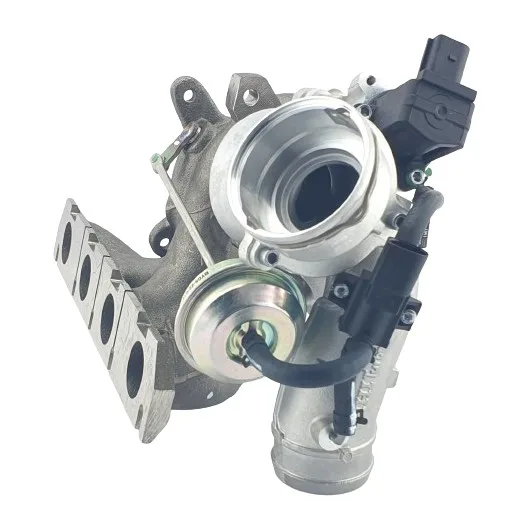
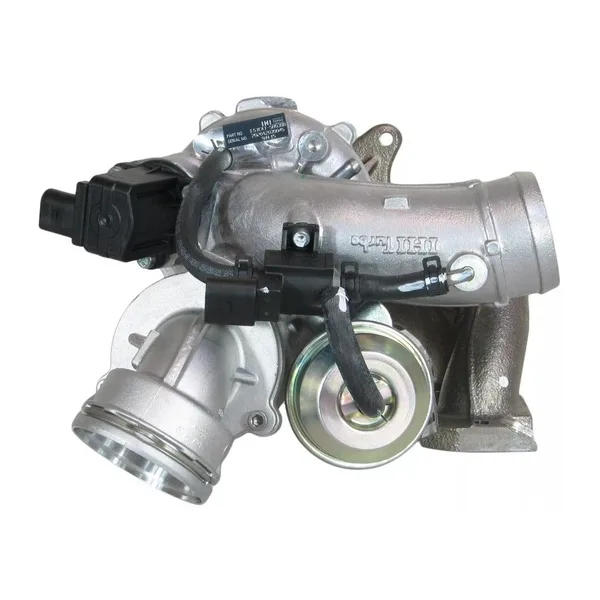
The 2.0 TFSI 200 hp turbocharger category addresses a common failure point in Volkswagen Group engines, where the turbo’s variable geometry or CHRA (Center Housing Rotating Assembly) degrades under high loads. This section covers exchange standard turbos designed for direct replacement, compatible with models from 2010 to 2020, including Audi A4, A5, and Volkswagen Golf GTI. Whether you’re a mechanic sourcing a reliable part or an enthusiast restoring a performance vehicle, this range ensures compatibility without compromising on quality.
Each turbo in this category is sourced from OEM suppliers or specialized remanufacturers, then undergoes a rigorous process to restore its original performance. The grossist role here is to provide these units in bulk, ensuring workshops receive consistent stock with traceable origins. This model eliminates the unpredictability of used parts while offering a cost-effective alternative to brand-new turbos.
Professional uses by trade
Different professionals approach turbo replacement with distinct priorities: garages prioritize speed and reliability, DIY enthusiasts seek affordability, and German buyers demand precision-engineered components. Below, we outline how each group leverages this category to resolve turbo failures efficiently.
- Le garagiste independant : Replaces a failing turbo on a 2015 Audi A4 2.0 TFSI 200 hp within a single workshop visit, minimizing vehicle downtime.
- L'automobiliste depanne : Orders an exchange standard turbo to avoid costly dealership repairs, focusing on compatibility with their exact motorization.
- Le passionne qui fait lui-meme : Selects a remanufactured turbo with clear OEM references to ensure a seamless fit during a weekend project.
- Der deutsche Kaeufer (DACH) : Prefers turbos with documented remanufacturing processes, aligning with local expectations for quality and traceability.
- Le garagiste independant : Uses turbos with pre-calibrated wastegates to simplify installation and reduce post-repair diagnostics.
- L'automobiliste depanne : Chooses units with visible wear indicators, such as carbon buildup on the compressor wheel, to confirm the need for replacement.
- Der deutsche Kaeufer (DACH) : Prioritizes turbos with German-manufactured components, even if sourced through a French supplier, for perceived reliability.
Range comparison
Below, we compare three exchange standard turbos compatible with the 2.0 TFSI 200 hp, each selected for its OEM lineage and remanufacturing standards. These units are ideal for workshops and DIYers seeking a balance between cost and performance.
| Range | Use | Format |
|---|---|---|
| SL Turbo 5303 988 0086 | Direct fit for Audi A4 2012-2016 | |
| Turbo IHI 9VA15 | OEM-grade replacement for VW Golf GTI 2013-2018 | |
| Turbo BorgWarner - KKK 9VA13 | High-flow option for tuned 2.0 TFSI engines |
How to choose
Selecting the right turbo for a 2.0 TFSI 200 hp requires evaluating several factors beyond mere compatibility. Below, we outline the key criteria professionals and enthusiasts use to make an informed choice.
- Conditioning: Opt for turbos with visible inspection ports to assess internal wear before installation.
- Conservation: Prefer units stored in climate-controlled environments to prevent moisture damage to seals.
- Regularity: Choose suppliers with consistent remanufacturing cycles to ensure uniform performance across batches.
- Rotation: Prioritize turbos with documented core returns, indicating a closed-loop recycling process.
- Compatibility: Verify the turbo’s OEM reference matches your vehicle’s engine code, not just the model year.
- Packaging: Select units shipped in anti-static bags with desiccant to protect electronic actuators.
- Documentation: Demand a remanufacturing report detailing replaced components, such as bearings or wastegate valves.
Storage & logistics
For workshops, storing exchange standard turbos requires attention to environmental conditions and inventory rotation. Units should be kept in a dry, temperature-controlled space away from direct sunlight to preserve rubber seals and electronic components. Implement a first-in, first-out system to ensure older stock is used before newer arrivals, reducing the risk of degradation. Labeling should include the OEM reference, remanufacturing date, and core deposit status to streamline retrieval during busy periods. Bulk packaging should allow for easy access without compromising the turbo’s delicate internals, such as compressor wheels or variable geometry mechanisms.
With over a decade of sourcing turbos for European workshops, we’ve learned that the best exchange standard units are those with transparent remanufacturing histories—no shortcuts, no guesswork, just performance you can trust.— autoKUR team
Related categories
Browse our other ranges:
Useful references
For regulatory and sector references, see Reglement (UE) 461/2010 — pieces de rechange et garantie constructeur.