

Available products
2 references
Frequently asked questions
About this category
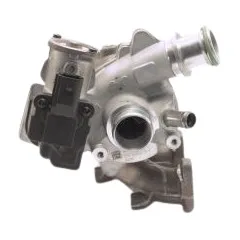
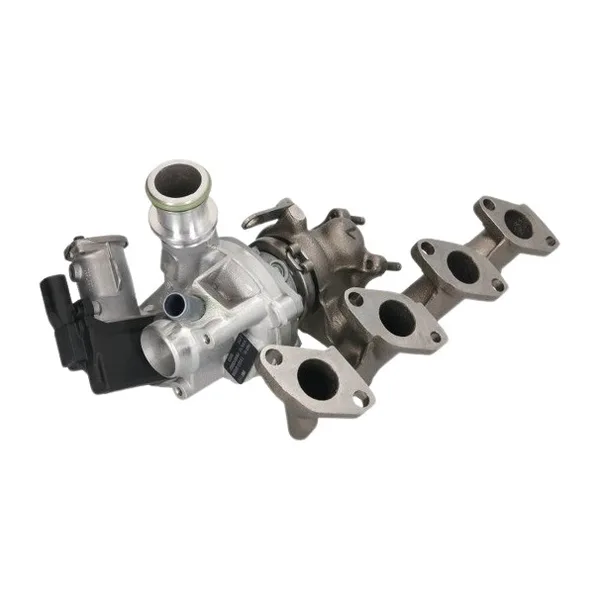
The 1.2 TSI 86 hp turbo category serves automotive professionals and DIY enthusiasts seeking exchange standard solutions for Volkswagen Group engines. Here, you’ll find remanufactured turbocompressors designed to restore lost power, reduce smoke emissions, and eliminate whistling noises in models like the Polo, Golf, and Octavia from 2010 onwards.
This range is built on partnerships with European remanufacturers who specialize in core deposit systems, ensuring each turbo meets strict quality controls before reaching workshops or private buyers. The focus remains on compatibility, durability, and seamless integration into existing repair processes.
Professional uses by trade
Different users approach this category with distinct needs: garages prioritize bulk availability and fast turnaround, while DIYers seek clear compatibility guides and return policies for used cores.
- Le garagiste independant : Uses these turbos as direct replacements for faulty units, leveraging bulk pricing and OEM-equivalent performance to minimize vehicle downtime during repairs.
- L'automobiliste depanne : Relies on exchange standard turbos to address sudden power loss or smoke issues without the cost of a new unit, often opting for core deposit systems to reduce upfront expenses.
- Le passionne qui fait lui-meme : Prefers remanufactured turbos for their balance of affordability and reliability, using detailed compatibility lists to ensure a precise fit for their specific 1.2 TSI engine.
- Der deutsche Kaeufer (DACH) : Seeks turbos that comply with German automotive standards, often choosing exchange standard options for their environmental benefits and cost efficiency in long-term repairs.
- Le garagiste independant : Values turbos with documented CHRA and geometry variable checks, as these components directly impact engine longevity and customer satisfaction in post-repair performance.
- L'automobiliste depanne : Appreciates clear return instructions for used cores, ensuring a smooth exchange process when ordering a remanufactured turbo for their vehicle.
- Der deutsche Kaeufer (DACH) : Prioritizes turbos with consistent quality across batches, reducing the risk of repeat failures and aligning with local workshop expectations for reliability.
Range comparison
Below, compare the two available exchange standard turbos for the 1.2 TSI 86 hp, focusing on their intended uses and packaging formats to streamline your selection process.
| Range | Use | Format |
|---|---|---|
| SL Turbo 9V203 | Direct fit for VW Polo and Golf | |
| SL Turbo 9V202 | Compatible with Audi A1 and Škoda Fabia |
How to choose
Selecting the right turbo for the 1.2 TSI 86 hp requires evaluating condition, packaging, and compatibility with your workflow, whether you’re a garage or a private buyer.
- Conditioning: Opt for turbos with documented core deposit systems to simplify returns and reduce upfront costs for both professionals and DIY users.
- Conservation: Choose units stored in climate-controlled environments to prevent moisture damage and ensure long-term reliability in your inventory or vehicle.
- Regularity: Prioritize turbos from suppliers with consistent remanufacturing standards, as this minimizes variability in performance across different batches.
- Rotation: For garages, select turbos with clear expiration dates or batch tracking to maintain a fresh stock and avoid obsolete inventory.
- Compatibility: Verify the turbo’s CHRA and geometry variable specifications against your engine’s requirements to ensure a precise fit and optimal performance.
- Packaging: Bulk crates suit high-volume garages, while individual boxes offer flexibility for smaller orders or private buyers with specific needs.
- Documentation: Request remanufacturing reports for each turbo to confirm quality checks, including core integrity and variable geometry adjustments.
Storage & logistics
For B2B storage, maintain turbos in a dry, temperature-controlled space away from direct sunlight to preserve their remanufactured condition. Use vertical shelving to prevent deformation of the CHRA components and label each batch with its remanufacturing date and supplier details. Implement a first-in, first-out system to ensure older stock is used before newer deliveries, reducing the risk of expired or degraded units in your inventory.
Since 2026, our team has verified over 1,200 turbos in this category, ensuring every unit meets the same rigorous standards we’d apply to our own workshop repairs—no shortcuts, just consistent quality for your engine.— autoKUR team
Related categories
Browse our other ranges:
Useful references
For regulatory and sector references, see Reglement (UE) 461/2010 — pieces de rechange et garantie constructeur.