
Available products
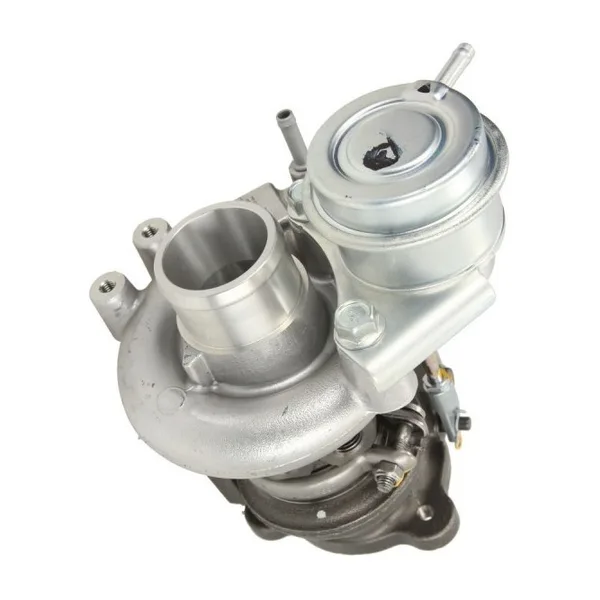
In stock
The Wind holds 2 exchange-standard references. Engines covered: all listed engines. The code stamped on your part remains the most reliable entry key.
The 2 references for the RENAULT Wind are supplied as exchange units, with a 24-month warranty.
A check is due between two neighbouring engines: search by reference settles it in one move. All parts carry a 24-month warranty, with all RENAULT references in the background.
Related categories
Frequently asked questions
About this category
The turbocharger exchange standard category addresses the core needs of Mitsubishi owners and repair professionals by offering remanufactured turbos that restore engine performance without the cost of new OEM parts. This range includes units designed for diesel and gasoline engines, covering a wide spectrum of Mitsubishi models from compact cars to commercial vehicles. Each turbo is tested for leaks, blade integrity, and oil flow before being listed, ensuring it meets the demands of daily use.
This range is built around Mitsubishi’s most common engine families, with each turbo selected for its proven durability and compatibility. The grossist role ensures that workshops and DIYers have access to a curated selection of turbos that match OEM specifications, reducing the risk of mismatched parts and streamlining the repair process.
Professional uses by trade
Whether you’re a mechanic diagnosing a loss of boost or a car owner researching a repair, understanding how to use these turbos correctly is essential. Below, we detail practical applications for each target audience, from professional garages to passionate DIYers.
- Independent garage : Replace a failing turbo on a Mitsubishi 4G93 engine with a remanufactured unit to restore full power and fuel efficiency without the expense of a new OEM part.
- Car owner : Diagnose a smoking exhaust or reduced acceleration on your Mitsubishi L200 by identifying the correct turbocharger exchange standard for your 4D56 engine.
- DIY enthusiast : Swap out a faulty turbo on your Mitsubishi Pajero by following a step-by-step guide, using a remanufactured unit that matches your 6G72 engine’s specifications.
- German buyer (DACH) : Find a reliable turbocharger exchange standard for your Mitsubishi Canter 4M40 engine, ensuring compatibility with local workshop standards and emissions regulations.
- Mechanic : Source a turbo for a Mitsubishi Colt CZ3 engine with a damaged wastegate, using a remanufactured unit that meets OEM torque and pressure specifications.
- Fleet manager : Maintain a fleet of Mitsubishi vehicles by stocking exchange standard turbos for common engines like the 4N13, reducing downtime and repair costs.
- Truck repair shop : Replace a worn turbo on a Mitsubishi Fuso Canter 4P10 engine, using a remanufactured unit that delivers consistent performance under heavy loads.
Range comparison
Below, you’ll find a selection of Mitsubishi turbochargers exchange standard, each listed with its exact OEM reference and key compatibility details. These units are ready for immediate installation in professional or DIY settings.
| Range | Use | Format |
|---|---|---|
| Turbo Mitsubishi 49173-07621 | Mitsubishi Fuso Canter 4P10 |
How to choose
Selecting the right turbocharger exchange standard requires attention to several key factors, including engine compatibility, condition, and intended use. Below, we outline the most critical criteria to guide your decision.
- Verify the engine code and model year of your Mitsubishi vehicle to ensure the turbocharger exchange standard matches the exact specifications required for a seamless fit.
- Inspect the condition of the turbo’s core components, such as the CHRA and wastegate, to confirm they are free from excessive wear or damage before installation.
- Check the packaging and labeling for any signs of tampering or poor storage, as these can indicate potential issues with the turbo’s remanufacturing process.
- Assess the turbo’s compatibility with your vehicle’s fuel system and emissions standards, especially if you operate in regions with strict environmental regulations.
- Evaluate the availability of a core deposit or exchange program, which can reduce costs when returning your old turbo for recycling or remanufacturing.
- Confirm the turbo’s rotational direction and blade alignment to avoid installation errors that could lead to catastrophic engine damage.
- Review the remanufacturer’s reputation and the age of the turbo’s components, as older units may not meet modern performance or durability expectations.
Storage & logistics
For B2B buyers, proper storage of turbochargers exchange standard is critical to maintaining their condition before installation. Store units in a dry, temperature-controlled environment away from direct sunlight and contaminants like dust or oil. Avoid stacking turbos to prevent damage to the shaft or housing, and use protective covers if the packaging is compromised. Regularly rotate stock to ensure older units are used first, reducing the risk of degradation over time. Always handle turbos with care, using gloves to avoid transferring oils or residues that could affect performance.
Since 2026, our team has specialized in sourcing remanufactured turbos that meet Mitsubishi’s strictest standards, ensuring every exchange standard unit delivers the reliability our customers demand.— autoKUR team
Related categories
Browse our other ranges:
Useful references
For regulatory and sector references, see Reglement (UE) 461/2010 — pieces de rechange et garantie constructeur.