
Available products
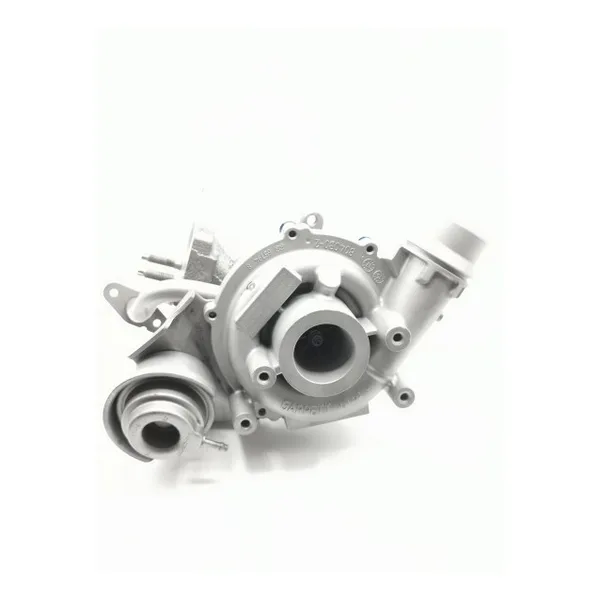
In stock
The Symbol holds 1 exchange-standard references. Engines covered: all listed engines. The code stamped on your part remains the most reliable entry key.
The 1 references for the RENAULT Symbol are supplied as exchange units, with a 24-month warranty.
A check is due between two neighbouring engines: search by reference settles it in one move. All parts carry a 24-month warranty, with all RENAULT references in the background.
Related categories
Frequently asked questions
About this category
The turbocharger category serves as the lifeline for vehicles equipped with forced induction systems, where performance hinges on the seamless interaction between airflow, fuel delivery, and exhaust dynamics. Whether you’re a seasoned mechanic diagnosing a 2012 Renault Scenic 3 1.5 dCi 110 or a passionate DIYer restoring a classic, this section provides the essential tools to identify, source, and replace a failing turbo without compromising reliability. Here, you’ll find exchange-standard turbos designed for direct fitment, alongside injectors and high-pressure pumps that address common symptoms like power loss, excessive smoke, or unusual whistling noises.
The range is meticulously curated to align with the most frequent motorizations in European fleets, ensuring that every turbo listed corresponds to a verified OEM reference or a widely accepted equivalent. This approach eliminates guesswork for professionals who require immediate availability and traceability, while also catering to enthusiasts who demand precision without the overhead of dealership markup. The role of the wholesaler here is pivotal, bridging the gap between remanufacturing expertise and end-user accessibility, all while maintaining strict compliance with automotive industry standards.
Professional uses by trade
Different users approach turbocharger replacement with distinct priorities, whether driven by urgency, budget constraints, or technical curiosity. Garages prioritize compatibility and bulk availability, while DIYers focus on ease of installation and cost efficiency. German buyers, in particular, value transparency in remanufacturing processes and adherence to local regulatory standards.
- Garagist : Replace a failing turbo on a Renault Scenic 3 1.5 dCi 110 with a remanufactured unit that matches the original Garrett 801374-5004S specifications for seamless integration.
- Independent mechanic : Source a high-quality turbocharger that avoids the delays of OEM ordering while ensuring the same performance and durability as a new part.
- DIY enthusiast : Diagnose a turbo issue by cross-referencing symptoms like power loss or excessive smoke with the correct motorization code before purchasing an exchange-standard unit.
- German buyer : Verify the remanufacturing process aligns with local standards and request documentation that confirms the turbo’s compatibility with your vehicle’s engine control unit.
- Fleet manager : Maintain a stock of exchange-standard turbos for multiple Renault Scenic 3 models to minimize vehicle downtime during repairs.
- Passionate restorer : Select a turbocharger that preserves the original performance characteristics of your Scenic 3 without compromising on quality or fitment.
- Workshop owner : Train technicians on the importance of variable geometry calibration and CHRA integrity when installing remanufactured turbos to ensure long-term reliability.
Range comparison
The following table compares remanufactured turbos by their core specifications, ensuring you select the right unit for your Renault Scenic 3 1.5 dCi 110. Each option is presented with its reference, intended use, and generic packaging format to streamline your decision-making process.
| Range | Use | Format |
|---|---|---|
| Turbo Garrett 801374-5004S | DIY installation with toolkit |
How to choose
Selecting the right turbocharger involves evaluating several key factors beyond mere compatibility, including the condition of the core, the remanufacturing process, and the availability of supporting documentation. Professionals must also consider the logistics of core deposit returns and the long-term reliability of the unit.
- Condition of the core : Inspect the turbo’s core for signs of excessive wear or damage that could compromise its remanufactured performance and longevity.
- Remanufacturing process : Ensure the turbo has undergone a standardized remanufacturing procedure that includes cleaning, inspection, and replacement of critical components like bearings and seals.
- Documentation : Request a remanufacturing report or certificate that details the steps taken to restore the turbo to OEM-like condition, including variable geometry calibration.
- Core deposit return : Verify the process for returning the old turbo to avoid additional costs and ensure compliance with environmental regulations.
- Compatibility verification : Cross-reference the turbo’s reference number with your vehicle’s motorization code to confirm a perfect fit before purchase.
- Packaging integrity : Choose units packaged in sealed, protective materials to prevent contamination during transit and storage.
- Supplier reliability : Select a supplier with a proven track record in remanufactured turbos to deliver consistent quality and timely delivery.
Storage & logistics
Proper storage of remanufactured turbos is essential to preserve their condition and ensure they remain ready for installation when needed. Store units in a dry, temperature-controlled environment away from direct sunlight and contaminants like dust or oil residues, which can degrade seals and bearings over time. For bulk inventory, use shelving with dividers to prevent contact between turbos and avoid stacking heavy items on top, which could cause deformation. Label each storage location with the turbo’s reference and motorization compatibility to streamline retrieval during urgent repairs. Implement a first-in, first-out (FIFO) system to rotate stock and prevent units from exceeding their recommended shelf life, typically 12 to 24 months depending on storage conditions. Regularly inspect stored turbos for signs of moisture buildup or corrosion, and maintain a log of inventory levels to track usage patterns and reorder points efficiently.
With over a decade of experience in turbocharger remanufacturing, our team has seen firsthand how a well-sourced exchange-standard unit can restore a vehicle’s performance without the expense of a new part. Consistent quality control is our priority, ensuring every turbo leaving our facility meets the same standards as the original equipment.— autoKUR team
Related categories
Browse our other ranges:
Useful references
For regulatory and sector references, see Reglement (UE) 461/2010 — pieces de rechange et garantie constructeur.