
Available products
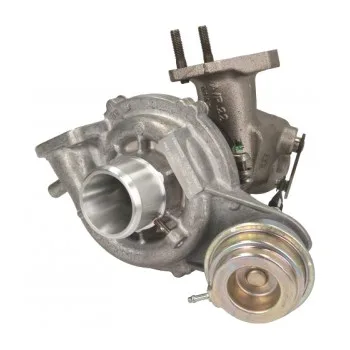
In stock
For the FIAT Bravo 2 in 1.6 Multijet 90 hp (66 kW diesel), the autoKUR catalogue holds 1 exchange-standard reference(s). At equal displacement, two outputs do not call for the same part.
Engine specification: 1598 cm³, diesel, built from 03/2008 to 12/2014. Matching part number: 807068-5002S (SL Turbo). Compare with the code stamped on your part.
Other engines of the FIAT Bravo 2: 2.0 MULTIJET 163 hp, 1.4 T-Jet 150 hp, 1.9 Multijet 150 hp. If the code stamped on your part is legible, search by reference remains the safest route. 24-month warranty.
Related categories
Frequently asked questions
About this category
The 1.6 Multijet 90 hp turbo exchange standard category is designed for vehicles equipped with this specific engine configuration, where turbocharger failure can lead to significant performance issues such as power loss, excessive smoke, or unusual noises. This range includes remanufactured turbos that restore original engine characteristics, ensuring compatibility with Fiat, Alfa Romeo, and other brands using this motorization. The focus is on delivering parts that meet the technical standards expected by both professionals and passionate DIY mechanics.
This category is built around a wholesale model where turbos are sourced from specialized remanufacturers, ensuring that each part undergoes rigorous testing for performance and durability. The role of the distributor is to provide these parts in bulk, with clear documentation of compatibility and technical specifications, allowing garages to maintain efficient repair cycles without sacrificing quality.
Professional uses by trade
Different user profiles rely on the 1.6 Multijet 90 hp turbo exchange standard for distinct reasons, whether it's a garage managing multiple repairs or an enthusiast restoring a vehicle. The versatility of this category ensures it meets the needs of professionals and hobbyists alike, with parts that are easy to source and install.
- Independent garage: Replace a failing turbo on a Fiat 500 with a remanufactured unit to restore engine performance and avoid costly downtime.
- DIY mechanic: Source a reliable turbo for a personal project, such as a Fiat Panda restoration, ensuring the part matches the vehicle's original specifications.
- German workshop (DACH): Order a 1.6 Multijet turbo for an Alfa Romeo Giulietta, leveraging bulk pricing for high-volume repairs while maintaining quality standards.
- Fleet manager: Maintain a fleet of vehicles with 1.6 Multijet engines by keeping exchange turbos in stock to minimize operational disruptions.
- Passionate driver: Address a sudden loss of power in a Fiat Tipo by sourcing a remanufactured turbo, avoiding the expense of a new OEM unit.
- Trucking company: Equip service vehicles with exchange turbos to reduce maintenance costs while ensuring consistent engine reliability.
- Classic car restorer: Find a compatible turbo for a rare Fiat model, ensuring the part meets the original performance benchmarks.
Range comparison
The following table compares the available 1.6 Multijet 90 hp turbo exchange standard options, highlighting their key features and intended uses for professionals and enthusiasts.
| Range | Use | Format |
|---|---|---|
| SL Turbo 807068-5002S | Classic car restoration |
How to choose
Selecting the right 1.6 Multijet 90 hp turbo exchange standard requires attention to several key factors, including compatibility, condition, and logistical efficiency. Professionals must prioritize parts that align with their repair workflows and inventory needs.
- Verify the vehicle's motorization code to ensure the turbo matches the engine's specifications, avoiding mismatches that could lead to further issues.
- Check the condition of the remanufactured turbo, focusing on the CHRA (Center Housing Rotating Assembly) and cartridge for signs of wear or damage.
- Assess the packaging format to ensure it aligns with your workshop's storage and handling capabilities, whether bulk or individual units.
- Confirm the part's compatibility with the vehicle's model year and power output, as variations exist even within the same motorization family.
- Evaluate the supplier's return policy for core deposits, ensuring a smooth process for exchanging used turbos and minimizing costs.
- Prioritize turbos with a consistent performance history, as reliability is critical for professional repairs and customer satisfaction.
- Consider the availability of technical documentation, such as OEM reference guides, to streamline the repair process and reduce errors.
Storage & logistics
For B2B buyers, proper storage of 1.6 Multijet 90 hp turbo exchange standards is essential to maintain part integrity and performance. These turbos should be kept in a dry, temperature-controlled environment to prevent moisture damage or corrosion, particularly to the CHRA and cartridge components. Bulk packaging should be stored on shelves or pallets to avoid compression damage, while individual units require careful handling to prevent impact or vibration-related issues. Regular inventory rotation ensures that older stock is used first, reducing the risk of parts becoming obsolete or degraded over time. Additionally, clear labeling and separation by vehicle model or motorization code help streamline retrieval and minimize errors during high-volume repairs.
With over a decade in the turbocharger remanufacturing industry, our team has seen firsthand how a well-sourced 1.6 Multijet 90 hp turbo can transform a vehicle's performance, turning a costly repair into a straightforward solution for garages and enthusiasts alike.— autoKUR team
Related categories
Browse our other ranges:
- 2.0 MULTIJET 163 hp
- 1.4 T-Jet 150 hp
- 1.9 Multijet 150 hp
- 1.4 16v 140 hp
- 1.4 T-Jet 120 hp
- 1.6 Multijet 120 hp
Useful references
For regulatory and sector references, see Reglement (UE) 461/2010 — pieces de rechange et garantie constructeur.