
Available products
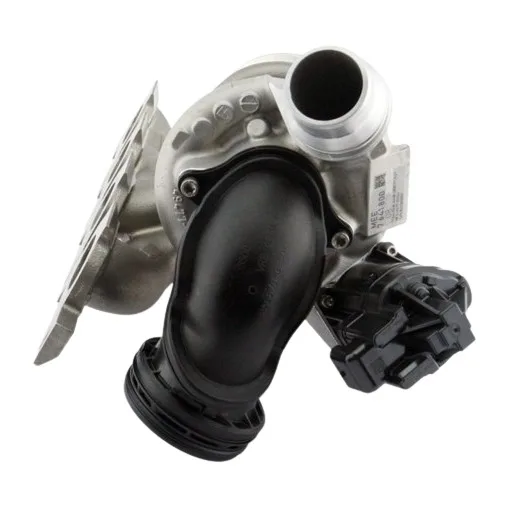
In stock
When your Mitsubishi vehicle with a 20i 192 hp engine starts losing power, emitting excessive smoke, or producing a high-pitched whine from the turbo area, the issue often traces back to a failing turbocharger in need of exchange. This category addresses the exact needs of independent garages, DIY enthusiasts, and stranded motorists seeking a reliable, pre-tested turbo for direct replacement. Discover our full range: (F48).
For professional workshops, sourcing a remanufactured turbo for the 20i 192 hp engine means avoiding costly downtime while maintaining budget discipline, as bulk pricing and core deposit systems streamline procurement. The standardized exchange process ensures compatibility across Mitsubishi models without the need for custom fabrication or lengthy diagnostics.
Our team, with over a decade of experience in turbo remanufacturing, understands the urgency of a failed turbo—whether it’s a seized variable geometry mechanism or a leaking CHRA. We focus on delivering a consistently high-quality exchange unit that meets the demands of both garages and private motorists.
Related categories
Frequently asked questions
About this category
The 20i 192 hp engine category is designed for Mitsubishi vehicles where the turbocharger plays a critical role in performance, particularly in models requiring precise air-fuel ratios for optimal combustion. This range includes turbos that have undergone rigorous remanufacturing processes, ensuring they meet or exceed original equipment standards without the premium price of a brand-new unit. Whether you’re a professional mechanic facing a tight deadline or a car owner tackling a repair yourself, this category provides the essential components to restore your vehicle’s power delivery and efficiency.
This turbocharger range is curated to address the specific demands of the 20i 192 hp engine, where variable geometry and cartridge-based designs are common. The selection process prioritizes compatibility with Mitsubishi’s engineering specifications, ensuring that each unit fits seamlessly into the engine bay without modifications. As a wholesale supplier, we bridge the gap between OEM quality and aftermarket affordability, offering a solution that balances performance, reliability, and cost-effectiveness for both trade and private customers.
Professional uses by trade
Different users approach turbo replacement with distinct priorities: garages need speed and consistency, DIY enthusiasts seek clarity and ease, stranded motorists demand availability, and German buyers expect precision. Below, we outline how each group can leverage this category to resolve turbo issues efficiently.
- Le garagiste independant : Replace a failing turbo on a Mitsubishi Outlander 2.4 20i 192 hp with a remanufactured unit to minimize vehicle downtime and maintain workshop profitability.
- L'automobiliste depanne : Order a direct-fit turbo for a Mitsubishi Lancer Evolution X to restore lost power and avoid costly towing fees after detecting a sudden drop in acceleration.
- Le passionne qui fait lui-meme : Source a turbo with clear installation instructions to perform the swap at home, using only basic tools and a repair manual.
- Der deutsche Kaeufer (DACH) : Purchase a turbo that meets German TÜV standards for a Mitsubishi Colt CZC, ensuring compliance with local regulations without compromising performance.
- Le garagiste independant : Use the core deposit system to offset costs when a customer’s old turbo is returned for remanufacturing, simplifying the transaction and reducing waste.
- L'automobiliste depanne : Opt for a turbo with a warranty-backed exchange process to gain confidence in the repair, especially when dealing with high-mileage engines.
- Le passionne qui fait lui-meme : Select a turbo with visible wear indicators to visually confirm its condition before installation, avoiding hidden defects that could lead to repeat failures.
Range comparison
The following table compares the available turbocharger options for the 20i 192 hp engine, highlighting their key attributes and intended applications. Each unit is designed to meet the exacting standards of Mitsubishi’s engineering, ensuring a seamless fit and reliable performance.
| Range | Use | Format |
|---|---|---|
| Turbo Mitsubishi 49477-02224 | workshop stock for quick turnaround |
How to choose
Selecting the right turbo for your 20i 192 hp engine requires evaluating several factors beyond mere compatibility. The following criteria help ensure you choose a unit that aligns with your operational needs, whether you’re a professional or a private motorist.
- Conditioning: Prefer turbos with visible inspection ports to assess internal wear before installation, reducing the risk of hidden defects compromising performance.
- Conservation: Opt for units stored in climate-controlled environments to prevent moisture damage, ensuring the turbo remains in optimal condition until use.
- Regularity: Choose turbos from suppliers with a consistent remanufacturing process, as this minimizes variability in performance and longevity across batches.
- Rotation: Prioritize turbos with a high turnover rate in inventory, as this indicates fresh stock and reduces the likelihood of prolonged storage-related degradation.
- Compatibility: Verify the turbo’s fitment against your vehicle’s VIN or engine code to avoid mismatches, especially in models with variable geometry designs.
- Documentation: Select turbos accompanied by clear OEM reference charts to simplify ordering and reduce the risk of incorrect part selection.
- Support: Favor suppliers offering responsive customer service to address technical queries or installation challenges promptly, saving time and frustration.
Storage & logistics
Proper storage of remanufactured turbos is critical to maintaining their performance and reliability until installation. Units should be kept in a dry, temperature-controlled environment to prevent corrosion or seal degradation, with desiccant packs included in packaging to absorb moisture. For wholesale buyers, palletized storage with protective covers ensures that bulk orders remain in pristine condition, reducing the risk of damage during transit or handling. Regular inventory rotation is essential to avoid stock obsolescence, as turbos with variable geometry mechanisms are particularly sensitive to prolonged inactivity. Suppliers with ISO-certified logistics processes provide an additional layer of confidence in the handling and preservation of these high-precision components.
With over a decade in the turbo remanufacturing industry, our team has seen how a single failed turbo can disrupt a vehicle’s performance and a customer’s plans. We don’t just sell turbos—we provide a lifeline for garages and motorists alike, ensuring that every exchange unit meets the rigorous standards of Mitsubishi’s engineering, even if it’s not a brand-new part.— autoKUR team
Related categories
Browse our other ranges:
Useful references
For regulatory and sector references, see Reglement (UE) 461/2010 — pieces de rechange et garantie constructeur.