
Available products
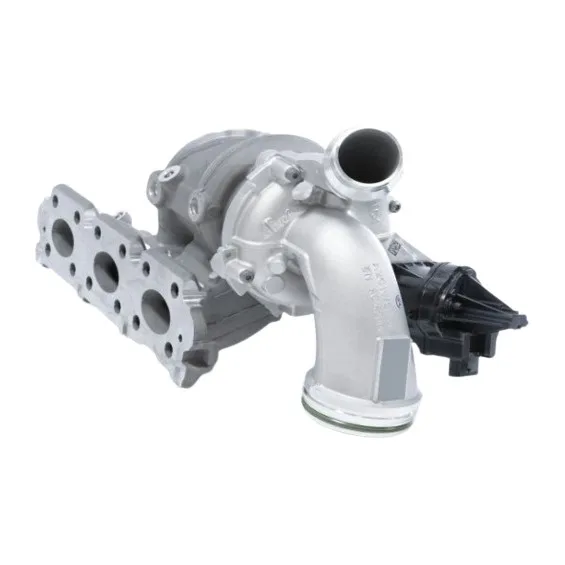
In stock
For the BMW X1 (F48) in 18i 136 hp (100 kW petrol), the autoKUR catalogue holds 1 exchange-standard reference(s). At equal displacement, two outputs do not call for the same part.
Engine specification: 1499 cm³, petrol, built from 11/2015 to 02/2018. Matching part number: 11652681209 (Continental). Compare with the code stamped on your part.
Other engines of the BMW X1 (F48): 25d XDrive 231 hp, 20i 192 hp, 20d 190 hp. If the code stamped on your part is legible, search by reference remains the safest route. 24-month warranty.
Related categories
Frequently asked questions
About this category
The 18i 136 hp turbo category addresses a common yet critical need in automotive repair: the exchange standard turbocharger. This range is designed for vehicles where the original turbo has degraded, leading to symptoms like reduced acceleration, blue or black exhaust smoke, or a noticeable whistling noise under load. Whether you’re a mechanic diagnosing a fault or a car owner seeking a reliable replacement, this category offers turbos that restore engine efficiency without the cost of a brand-new unit.
Each turbo in this range is sourced from reputable remanufacturers who specialize in restoring turbos to near-original specifications. The process involves disassembling the unit, inspecting and replacing worn components such as the CHRA (Center Housing Rotating Assembly), cartridge, and bearings, then reassembling with precision. This approach ensures durability and performance while keeping costs accessible for both professionals and private buyers.
Professional uses by trade
The 18i 136 hp turbo serves different purposes depending on the user’s role. Garages rely on it to quickly resolve customer complaints, while DIY enthusiasts seek it for cost-effective repairs. German buyers, in particular, prioritize reliability and ease of installation.
- Le garagiste independant : Uses the 18i 136 hp turbo to replace a faulty unit in a customer’s vehicle, ensuring minimal downtime and restoring full engine performance.
- L'automobiliste depanne : Seeks an exchange standard turbo to fix a sudden loss of power or unusual noises, often opting for a remanufactured unit to save on costs.
- Le passionne qui fait lui-meme : Prefers the 18i 136 hp turbo for its straightforward installation process, allowing them to complete the repair without professional help.
- Der deutsche Kaeufer (DACH) : Values the turbo’s compatibility with local vehicle models and the availability of technical support in German, ensuring a smooth purchasing experience.
- Le garagiste independant : Relies on the turbo’s consistent quality to maintain workshop reputation, as repeat failures can damage client trust and lead to additional labor costs.
- L'automobiliste depanne : Chooses an exchange standard turbo over a new one to reduce expenses while still addressing the underlying issue causing performance loss.
- Der deutsche Kaeufer (DACH) : Prioritizes turbos that come with clear documentation, such as OEM reference numbers, to simplify the installation process and avoid compatibility errors.
Range comparison
Below, you’ll find the available turbos for the 18i 136 hp category, each listed with its reference, intended use, and packaging format to help you make an informed choice.
| Range | Use | Format |
|---|---|---|
| Turbo Continental 11652681209 | DIY enthusiast repair kit |
How to choose
Selecting the right turbo for the 18i 136 hp requires attention to several key factors. Compatibility is paramount, as mismatched turbos can lead to poor performance or damage. Conditioning and packaging also matter, especially for professionals managing inventory.
- Verify the turbo’s compatibility with your vehicle’s exact motorization, including the engine code and power output, to avoid installation errors.
- Check the packaging for signs of damage or improper storage, as this can affect the turbo’s performance and longevity.
- Prioritize turbos from remanufacturers with a track record of consistent quality, as this reduces the risk of premature failure.
- For garages, opt for bulk packaging to streamline inventory management and reduce per-unit costs.
- Ensure the turbo includes all necessary components, such as gaskets or mounting hardware, to simplify the installation process.
- Look for turbos that come with clear documentation, including OEM reference numbers, to confirm compatibility and ease of ordering.
- Consider the turbo’s core deposit policy, as returning the old unit may be required to complete the purchase.
Storage & logistics
Proper storage of exchange standard turbos is essential to maintain their condition before installation. Keep them in a dry, temperature-controlled environment to prevent corrosion or damage to internal components. For professionals, organizing turbos by vehicle model and engine code in labeled bins or shelving units ensures quick access and reduces the risk of misplacement. Avoid stacking heavy items on top of turbos, as this can deform the housing or damage the CHRA. Regular inventory checks help identify any units that may have been exposed to moisture or extreme temperatures, allowing for timely replacement or reconditioning.
With over a decade of experience in turbo remanufacturing, our team has seen firsthand how a well-chosen exchange standard turbo can transform a vehicle’s performance. We’ve built our reputation on delivering turbos that meet the highest standards of quality and reliability, ensuring our customers—whether garages or car owners—can trust in every unit we supply.— autoKUR team
Related categories
Browse our other ranges:
Useful references
For regulatory and sector references, see Reglement (UE) 461/2010 — pieces de rechange et garantie constructeur.