
Available products
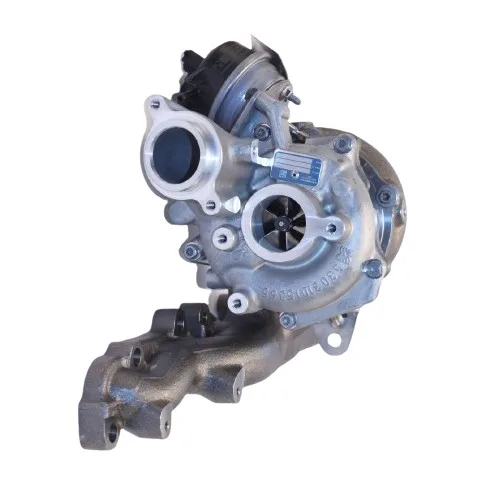
In stock
1 exchange-standard reference(s) match the AUDI A5 (8T / 8F / 8TA) 2.0 TDI 190 hp (140 kW diesel). Output is the deciding criterion: a part meant for another output of the same displacement will not fit.
Engine specification: 1968 cm³, diesel, built from 09/2013 to 01/2017. Matching part number: 5303 988 0620 (SL Turbo). Compare with the code stamped on your part.
Other engines of the AUDI A5 (8T / 8F / 8TA): 3.0 TDI 245 hp, 3.0 TDI 240 hp, 2.0 TFSI 230 hp. If the code stamped on your part is legible, search by reference remains the safest route. 24-month warranty.
Related categories
Frequently asked questions
About this category
The 2.0 TDI 190 hp turbo exchange standard category addresses the needs of drivers and repair professionals facing performance issues linked to turbo failure. This range includes remanufactured units designed to match original equipment specifications, ensuring seamless integration for vehicles from Audi, Volkswagen, Skoda, and Seat among others. Whether for a sudden loss of power, excessive smoke, or a whistling noise, these turbos provide a reliable alternative to costly new replacements.
This range is built on a network of trusted suppliers who specialize in remanufacturing turbochargers for high-demand diesel engines. The focus is on restoring core components like the CHRA and variable geometry mechanisms to their original performance levels, while ensuring compatibility with OEM references and equivalent aftermarket parts. The role of the wholesaler here is critical, bridging the gap between remanufacturers and end-users with efficient logistics and bulk pricing.
Professional uses by trade
Different users approach the 2.0 TDI 190 hp turbo exchange standard category with distinct priorities, whether it’s quick installation, cost efficiency, or technical precision. Garages prioritize bulk availability and traceability, while DIY enthusiasts seek clarity on fitment and return policies for core deposits.
- Le garagiste independant : Uses the turbo exchange standard to minimize vehicle downtime by swapping the faulty unit with a pre-verified remanufactured part, ensuring the repair is completed within a single working day.
- L'automobiliste depanne : Relies on this category to address sudden turbo failure symptoms like power loss or excessive smoke, often opting for a core deposit to reduce upfront costs while returning the old unit for recycling.
- Le passionne qui fait lui-meme : Prefers exchange standard turbos for their straightforward fitment and clear OEM references, allowing for a self-installed solution without compromising on quality or warranty terms.
- Der deutsche Kaeufer (DACH) : Seeks turbos with documented remanufacturing processes and CHRA integrity, often comparing core deposit policies and return logistics across suppliers to secure the best balance of cost and reliability.
- Le garagiste independant : Selects turbos from this category to maintain a low inventory of high-turnover parts, leveraging wholesale pricing to offer competitive repair quotes to customers without sacrificing margin.
- L'automobiliste depanne : Chooses exchange standard units to avoid the premium of new turbos, while ensuring the replacement part meets the engine’s original performance specifications for long-term reliability.
- Der deutsche Kaeufer (DACH) : Values turbos that come with clear compatibility notes and OEM cross-references, enabling quick verification against the vehicle’s engine code and model year for a hassle-free purchase.
Range comparison
The following table compares the available turbo exchange standard options for the 2.0 TDI 190 hp category, highlighting their key features and intended use cases for professionals and DIY users alike.
| Range | Use | Format |
|---|---|---|
| SL Turbo 5303 988 0620 | Direct fit for Audi A4/A6, VW Passat, Skoda Superb |
How to choose
Selecting the right turbo for the 2.0 TDI 190 hp requires attention to several critical factors, from packaging integrity to core deposit policies, ensuring the part meets both technical and logistical needs.
- Conditioning: Verify the turbo’s packaging protects against moisture and impact during transit, as improper handling can compromise internal components like the CHRA or variable geometry mechanism.
- Conservation: Prefer turbos stored in climate-controlled environments to prevent corrosion or seal degradation, which can affect long-term performance and reliability.
- Regularity: Choose suppliers with a consistent supply chain to avoid delays, as stock availability directly impacts repair schedules and customer satisfaction.
- Rotation: Opt for turbos with a high turnover rate in inventory, indicating strong demand and fresh remanufacturing batches that meet current performance standards.
- Compatibility: Cross-reference the turbo’s OEM reference and equivalent aftermarket codes with the vehicle’s engine code and model year to ensure a precise fit.
- Core deposit: Evaluate the return policy for the old turbo, as a fair core deposit can significantly reduce upfront costs while supporting sustainable recycling practices.
- Traceability: Prioritize turbos with documented remanufacturing processes, including CHRA inspection and variable geometry calibration, to deliver consistent quality.
Storage & logistics
For B2B users, storing exchange standard turbos requires a dry, temperature-stable environment away from direct sunlight and chemical vapors. Units should be kept in their original packaging until installation to prevent contamination or damage to seals and bearings. Regular inventory rotation ensures fresher stock is used first, reducing the risk of performance degradation over time. Suppliers should provide clear handling instructions, including warnings against dropping or mishandling the turbo, as even minor impacts can misalign the CHRA or damage the variable geometry mechanism.
With over a decade of sourcing remanufactured turbos for diesel engines, our team has refined the process to focus on CHRA integrity and variable geometry calibration, ensuring each unit meets the demands of independent garages and DIY enthusiasts alike.— autoKUR team
Related categories
Browse our other ranges:
Useful references
For regulatory and sector references, see Reglement (UE) 461/2010 — pieces de rechange et garantie constructeur.