

Available products
3 references

Frequently asked questions
About this category
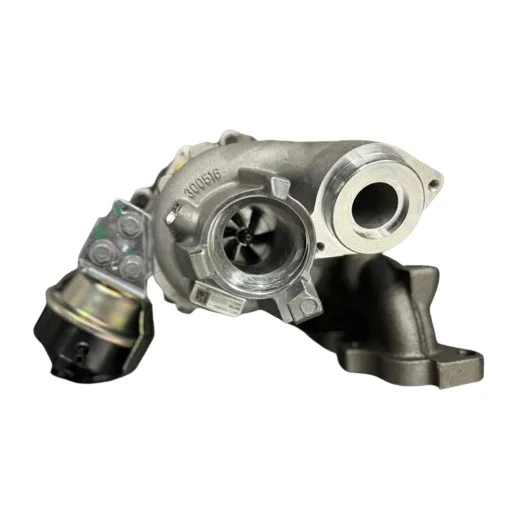
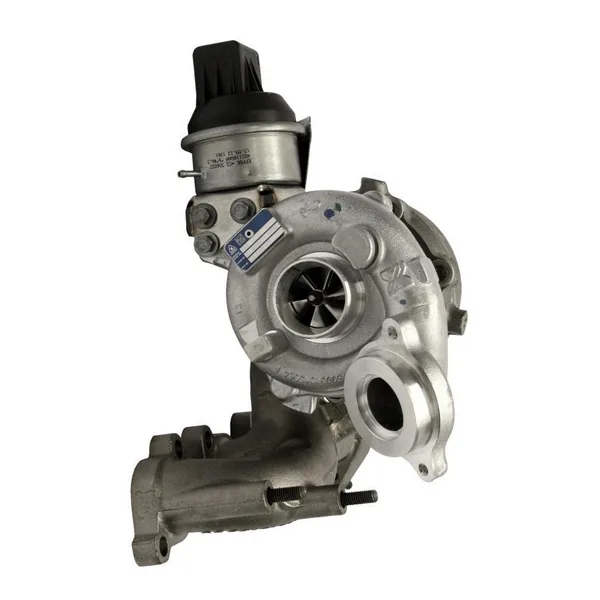
The 2.0 TDI 143 hp turbocharger category addresses a common pain point for diesel vehicle owners and repair professionals: the need for reliable, cost-effective turbocharger replacements. This range includes remanufactured units designed to restore engine efficiency and power, covering a wide spectrum of vehicle makes and model years where the 2.0 TDI 143 hp engine is deployed. Whether you are a mechanic sourcing parts for a client’s vehicle or an enthusiast tackling a DIY repair, these turbos offer a practical solution to restore performance without the expense of a brand-new unit.
This range is curated to meet the demands of both independent garages and private motorists, with a focus on compatibility and durability. The turbos are sourced from specialized remanufacturers who disassemble, inspect, and rebuild each unit to original equipment standards. The role of the wholesaler in this process is to ensure that these high-quality parts are available at competitive prices, with efficient logistics to minimize downtime for professionals and vehicle owners alike.
Professional uses by trade
Different users approach turbocharger replacement with distinct priorities, whether it’s the urgency of a roadside repair, the precision of a professional installation, or the cost-conscious mindset of a DIY enthusiast. This section outlines how each group can leverage this category to address their specific needs effectively.
- Independent mechanic: Source a remanufactured turbo for a 2012 Audi A4 2.0 TDI 143 hp with confidence in its fit and function.
- Roadside repair technician: Keep a core deposit turbo in stock to quickly replace a failing unit on a Volkswagen Passat 2.0 TDI 143 hp during a breakdown.
- DIY enthusiast: Purchase a remanufactured turbo for a Skoda Octavia 2.0 TDI 143 hp to restore power without professional labor costs.
- German workshop owner: Order bulk turbos for a fleet of company vehicles, leveraging wholesale pricing and efficient delivery.
- Passionate driver: Replace a worn turbo on a Seat Leon 2.0 TDI 143 hp to avoid costly engine damage from prolonged overheating.
- Professional tuner: Select a high-performance remanufactured turbo for a modified 2.0 TDI 143 hp engine to enhance throttle response.
- Fleet manager: Maintain a core deposit system for company cars, ensuring minimal downtime with pre-tested turbo replacements.
Range comparison
This section presents the available turbocharger options for the 2.0 TDI 143 hp category, each designed to meet specific installation and performance requirements. The following table compares the key features and intended uses of each product in this range.
| Range | Use | Format |
|---|---|---|
| SL Turbo 5303 988 0205 | Direct replacement for Audi and Volkswagen models | |
| SL Turbo 724930-5010S | Compatible with Skoda and Seat applications | |
| Turbo MAHLE 030TC11003000 | High-quality rebuild for performance restoration |
How to choose
Selecting the right turbocharger for a 2.0 TDI 143 hp engine requires attention to compatibility, condition, and intended use. This section outlines the key factors professionals and enthusiasts should consider to ensure a successful replacement.
- Verify the turbocharger’s compatibility with your vehicle’s exact model year and engine code to avoid mismatches in fit or performance.
- Inspect the condition of the turbo, including the CHRA (Center Housing Rotating Assembly) and wastegate, for signs of wear or damage before installation.
- Check the packaging for a core deposit label, which allows you to return your old turbo for a partial refund upon installation of the new unit.
- Prioritize turbos from reputable remanufacturers to ensure consistent quality and longevity in demanding driving conditions.
- Consider the turbo’s geometry—variable or fixed—to match the engine’s power delivery and driving style requirements.
- Evaluate the warranty terms provided by the supplier, as these can vary significantly between brands and remanufacturers.
- Assess the availability of technical documentation, such as OEM reference charts, to confirm part numbers and cross-references.
Storage & logistics
Proper storage of remanufactured turbos is essential to maintain their condition before installation. Keep units in a dry, temperature-controlled environment to prevent corrosion or damage to internal components. For professionals managing inventory, organize turbos by vehicle make and model to streamline retrieval during repairs. Avoid exposing turbos to extreme temperatures or humidity, as these conditions can degrade seals and bearings. When handling turbos, use gloves to prevent contamination from skin oils, which can affect performance. Regularly rotate stock to ensure older units are used first, maintaining freshness and reliability in your supply chain.
With over a decade of experience in sourcing remanufactured turbos, our team has seen firsthand how a well-chosen replacement can restore a 2.0 TDI 143 hp engine to peak performance. We prioritize turbos that meet or exceed OEM standards, ensuring that every unit we supply delivers reliable power and efficiency for years to come.— autoKUR team
Related categories
Browse our other ranges:
Useful references
For regulatory and sector references, see Reglement (UE) 461/2010 — pieces de rechange et garantie constructeur.