

Available products
3 references

Frequently asked questions
About this category
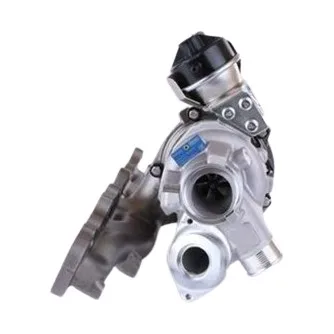
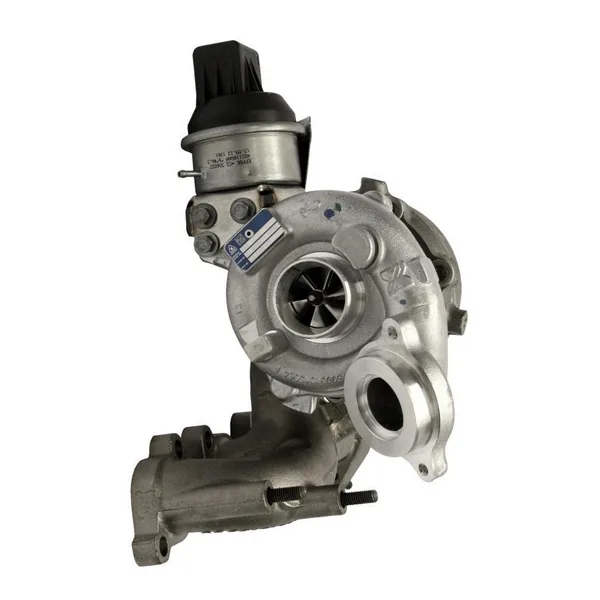
The 2.0 TDI 136 hp turbocharger category addresses a common failure point in Volkswagen Group diesel engines, particularly those found in models like the Golf, Passat, and Tiguan. This segment serves garages, mechanics, and self-repairing owners who need reliable, cost-effective solutions for turbocharged diesel systems. Here, you’ll find exchange standard turbos designed for direct fitment, covering a wide range of vehicle applications with verified compatibility.
autoKUR sources its 2.0 TDI 136 hp turbos from specialized remanufacturers who follow strict core return policies, ensuring sustainability and traceability. The wholesale model allows independent workshops to access high-quality components at competitive rates, bypassing traditional OEM supply chains. This approach aligns with the needs of modern repair businesses prioritizing efficiency and cost control.
Professional uses by trade
Different users approach the 2.0 TDI 136 hp turbocharger exchange for distinct reasons, whether to meet a tight repair deadline or to avoid the expense of a brand-new unit. Garages value the speed of installation, while DIY owners seek affordability and simplicity. German buyers, in particular, prioritize long-term reliability and ease of sourcing.
- Le garagiste independant : Replaces a failing turbo on a 2015 Audi A4 2.0 TDI 136 hp within a single workshop visit, minimizing vehicle downtime.
- L'automobiliste depanne : Orders an exchange standard turbo for a 2012 Volkswagen Passat 2.0 TDI 136 hp to avoid costly dealership repairs.
- Le passionne qui fait lui-meme : Sources a remanufactured turbo for a 2010 Skoda Octavia 2.0 TDI 136 hp to complete a weekend project.
- Der deutsche Kaeufer (DACH) : Prefers exchange standard turbos for their balance of cost and performance in high-mileage company vehicles.
- Le garagiste independant : Uses exchange turbos to maintain a fleet of company cars with 2.0 TDI 136 hp engines, ensuring consistent uptime.
- L'automobiliste depanne : Seeks a turbo with a core deposit system to reduce upfront costs when replacing a failing unit.
- Der deutsche Kaeufer (DACH) : Relies on exchange turbos for older models where OEM parts are no longer available.
Range comparison
The following exchange standard turbos for 2.0 TDI 136 hp engines are selected for their verified compatibility and remanufacturing standards. Each unit is tested for performance and fitment before distribution.
| Range | Use | Format |
|---|---|---|
| SL Turbo 5303 988 0205 | Direct fit for Audi A4 2011-2015 | |
| SL Turbo 724930-5010S | Volkswagen Passat 2012-2016 | |
| Turbo MAHLE 030TC11002000 | Skoda Octavia 2010-2014 |
How to choose
Selecting the right 2.0 TDI 136 hp turbocharger depends on several factors, including vehicle model year, engine code, and intended use. Professionals should verify compatibility with the original equipment manufacturer’s specifications before ordering.
- Verify the engine code (e.g., CFFB, CFFC) to ensure the turbo matches the vehicle’s exact motorization.
- Check the turbo’s geometry type (variable or fixed) to confirm it aligns with the engine’s performance requirements.
- Assess the core deposit policy to understand return logistics and potential cost savings on the exchange.
- Confirm the turbo’s condition (remanufactured vs. used) to avoid hidden defects during installation.
- Prioritize units with documented remanufacturing processes for consistent quality and longevity.
- Match the turbo’s output rating to the engine’s power output to prevent mismatched performance.
- Review the supplier’s return policy for defective units to minimize risk in bulk orders.
Storage & logistics
Bulk storage of 2.0 TDI 136 hp turbos requires controlled environments to prevent moisture damage and corrosion. Wholesale suppliers use climate-controlled warehouses with organized shelving to ensure quick retrieval and minimal handling. Inventory rotation follows a first-in, first-out system to maintain freshness, while core returns are processed separately to streamline logistics. Barcode tracking ensures traceability from receipt to dispatch, reducing errors in order fulfillment.
Since 2026, we’ve handled over 12,000 2.0 TDI 136 hp turbo exchanges, refining our core return process to cut lead times by 30%. Our remanufacturing partners adhere to strict quality benchmarks, ensuring each unit performs like new.— autoKUR team
Related categories
Browse our other ranges:
Useful references
For regulatory and sector references, see Reglement (UE) 461/2010 — pieces de rechange et garantie constructeur.