
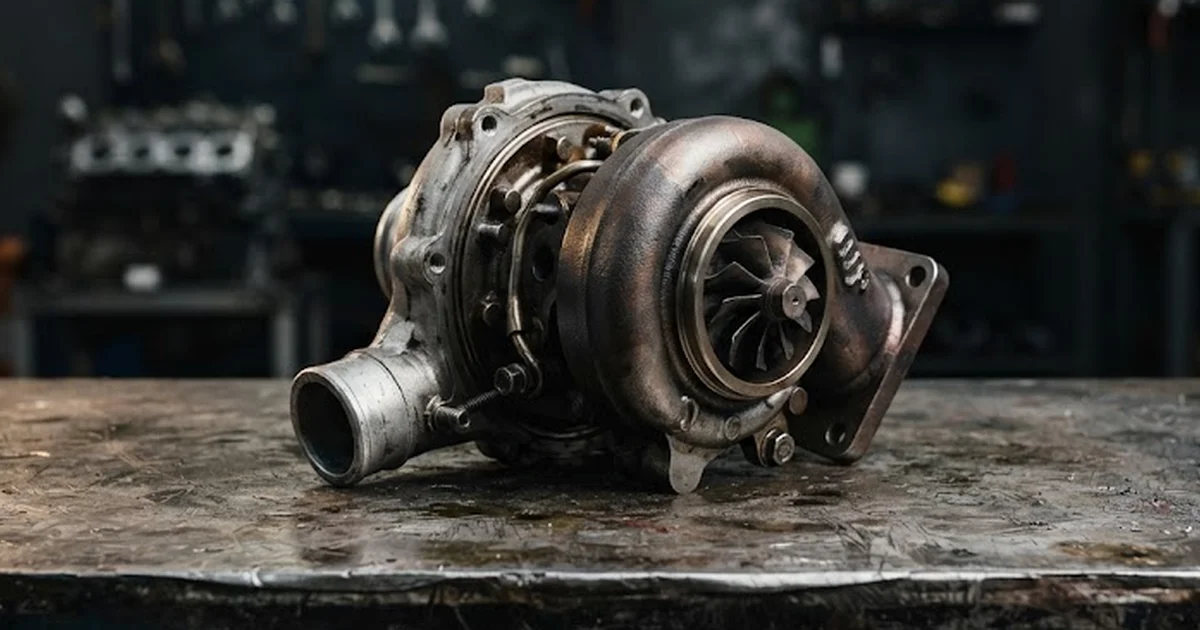
Is it dangerous to drive with a faulty turbo: the warning signs to watch for before complete failure
Whistling, smoke, power loss: discover the signs of a failing turbo and the real risks of driving with a faulty turbo.
A turbocharger almost never fails overnight. Before complete breakdown, the mechanism sends progressive warning signals: unusual noises, exhaust smoke, power loss, or abnormal oil consumption. Recognizing these symptoms helps avoid a costly, or even dangerous, breakdown and preserves the engine as a whole. This article details the early signs to watch for, the real risks of driving with a faulty turbo, and the steps to take at the first signs of trouble.
Understanding the role of the turbo and why a failure never occurs without warning
The turbocharger uses the energy from exhaust gases to compress the air entering the engine, thereby increasing power without increasing engine displacement. It rotates at very high speeds, often exceeding 150,000 revolutions per minute, and operates on an oil film that lubricates and cools its bearings. This dependence on lubrication and gas flow explains why wear or a defect develops gradually before causing total failure.
Several factors accelerate turbo wear and eventually lead to detectable symptoms:
- Engine oil that is too old or of poor quality, which clogs the bearings.
- Abrupt engine shutdowns after high-load driving, without a cooling phase.
- A poorly secured turbo or cracked intake hoses, causing air leaks.
- A clogged air filter, which disrupts the pressure balance of the intake system.
- A turbocharging system already weakened by a previous untreated incident.
These underlying causes then result in concrete manifestations, audible, visible, or noticeable while driving, which should never be ignored.
Abnormal noises: the first warning sign of a failing turbo
Noise is often the earliest indication of a turbo beginning to fail. Worn bearings, excessive play on the turbine shaft, or a leak in the intake system generate characteristic sounds that a trained ear can quickly detect.
- High-pitched whistling during acceleration: often linked to a pressurized air leak or worn bearings.
- Siren-like noise or a turbo that revs uncontrollably: a sign of excessive play on the turbo shaft, a direct precursor to imminent failure.
- Metallic clicking at idle or during deceleration: may indicate damaged turbine blades or internal debris.
- Constant whistling, even at idle: suggests a widespread air leak in the turbocharging system.
These noises should never be considered harmless, even if they are intermittent. A turbo that whistles occasionally today could be completely seized within a few hundred kilometers.
Power loss, smoke, and increased consumption: symptoms visible while driving
Beyond noises, several signs can be directly felt in the vehicle's behavior and visually noticed at the exhaust. They often indicate a more advanced stage of turbo failure, where complete breakdown is only a matter of time.
- Progressive power loss, particularly during acceleration and when revving up.
- Bluish smoke from the exhaust, indicating abnormal oil consumption due to a leak in the turbo.
- Thick black smoke, a sign of an unbalanced air-fuel mixture.
- Engine warning light or turbo pressure warning light illuminated on the dashboard.
- Unexplained increased fuel consumption.
- Unstable idle or more frequent engine stalling.
The combination of several of these symptoms, even if moderate, should lead to a quick diagnosis rather than passive monitoring.
Is it dangerous to drive with a faulty turbo: mechanical and safety risks
Driving with a faulty turbo not only risks engine failure: it can also pose safety risks and damage other vehicle components. A damaged turbo can throw metal debris into the intake or exhaust system, leading to cascading engine damage. A significant oil leak from the turbo can also cause a fire if the oil comes into contact with hot exhaust components.
In terms of driving, a sudden loss of power during acceleration, especially when overtaking or merging onto a highway, poses a real safety risk.
At autoKUR, we regularly see vehicles brought in urgently after weeks of ignored whistling. In most cases, what could have been a simple turbo replacement turns into a complete engine repair, with costs multiplied by three or four. Our advice is always the same: at the first suspicious noise or abnormal smoke, have the vehicle checked before driving long distances again.
This field feedback clearly illustrates the issue: ignoring early symptoms only delays an inevitable intervention while increasing its cost and urgency.
Summary table of symptoms and their urgency level
To help assess the situation, here is a summary table listing the main symptoms mentioned, their likely cause, and the urgency level for intervention.
| Observed symptom | Likely cause | Urgency level |
|---|---|---|
| Mild and occasional whistling | Early bearing wear or minor air leak | Moderate: check recommended within a few days |
| Siren-like noise or turbo revving uncontrollably | Excessive play on the turbo shaft | High: rapid diagnosis needed |
| Continuous bluish smoke | Oil leak in the turbo | High: risk of engine damage |
| Sudden power loss | Seized turbo or internal failure | Critical: driving should be stopped |
| Engine warning light on with associated noise | Electronic or mechanical failure of the turbocharging system | Critical: immediate diagnosis |
| Persistent metallic clicking | Damaged turbine blades or internal debris | Critical: engine should be stopped |
This table helps prioritize actions, but it in no way replaces a professional diagnosis performed on the vehicle.
What to do when these symptoms appear before complete failure
When one or more of the symptoms described above appear, certain precautions can help limit damage and avoid total vehicle immobilization. There is no need to panic, but it is important to act methodically.
- Immediately reduce engine speed and avoid hard acceleration.
- Check the engine oil level and quality as soon as possible.
- Observe the color of exhaust smoke over several kilometers.
- Avoid long highway trips until a diagnosis has been performed.
- Have the hoses and air filter checked, as they are often responsible for false turbo symptoms.
- Schedule a complete diagnosis of the turbocharging system as soon as a persistent noise appears.
An early diagnosis can sometimes save the turbo itself by identifying a simple external cause, such as a cracked hose or a clogged air filter, without requiring a complete component replacement.
Summary: anticipate rather than endure turbo failure
The symptoms of a failing turbo are rarely silent: whistling, smoke, power loss, and warning lights are all signals that should be taken seriously as soon as they appear. Driving with a faulty turbo is not just a matter of driving comfort but a real safety issue and a way to preserve the engine. The later the intervention, the greater the risk of collateral damage to the entire engine block.
For motorists who want to anticipate a replacement or have a quality part ready in case of a confirmed diagnosis, the Turbocharger category on the site offers a dedicated selection to compare available references based on the vehicle model.
You may also like
A question?
Get in touch directly.

Discussion
Our advice related to Turbocharger
 Turbocharger
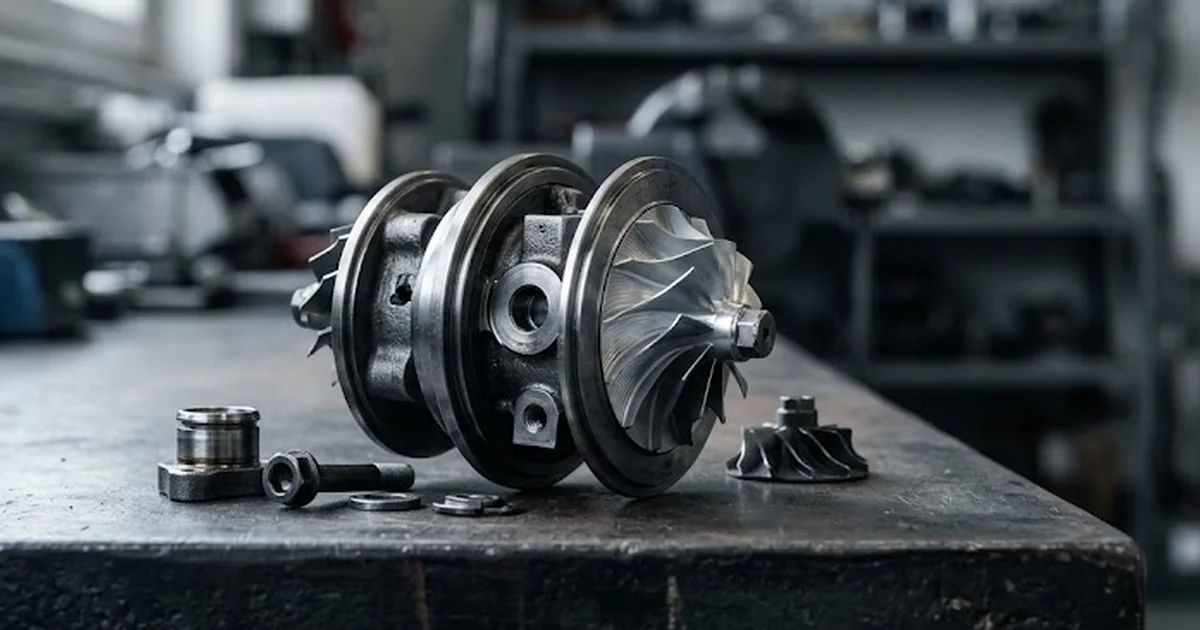
Why Is My Turbo Whistling? Warning Signs and Causes
Is your turbo whistling under acceleration? Discover the differences between normal spooling and mechanical failure, from boost leaks to bearing play.
 Turbocharger
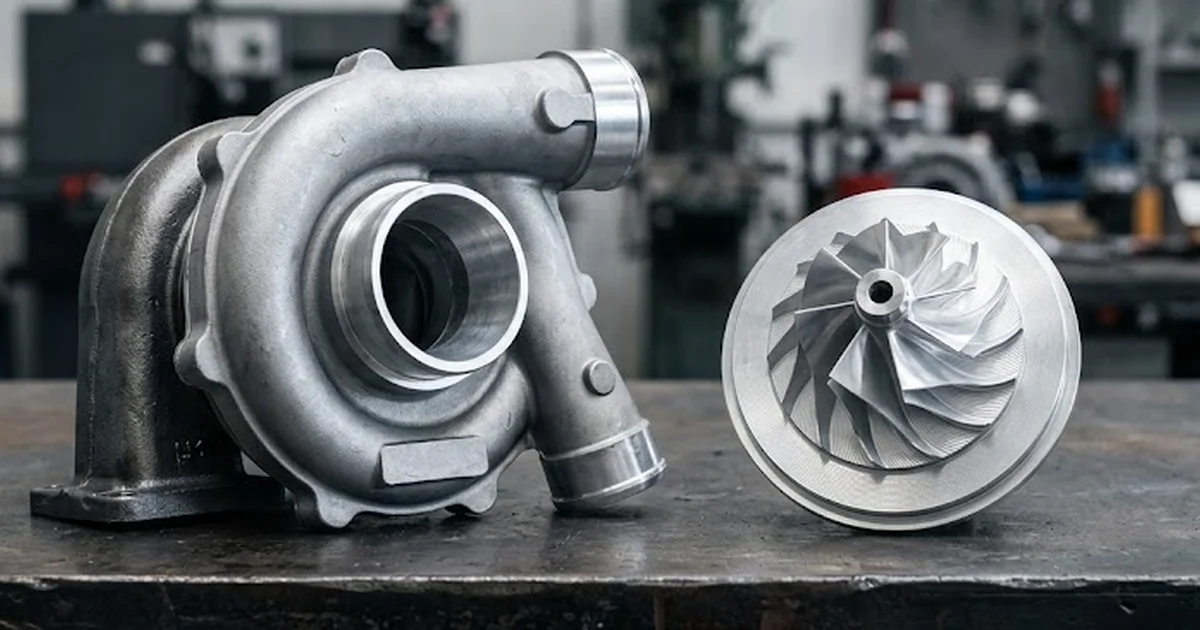
How Much HP Does a Turbo Add? Power Gains & Costs
Learn how much horsepower a turbo adds across engine sizes, what drives replacement costs, and how standard exchange delivers full factory performance.
 Turbocharger
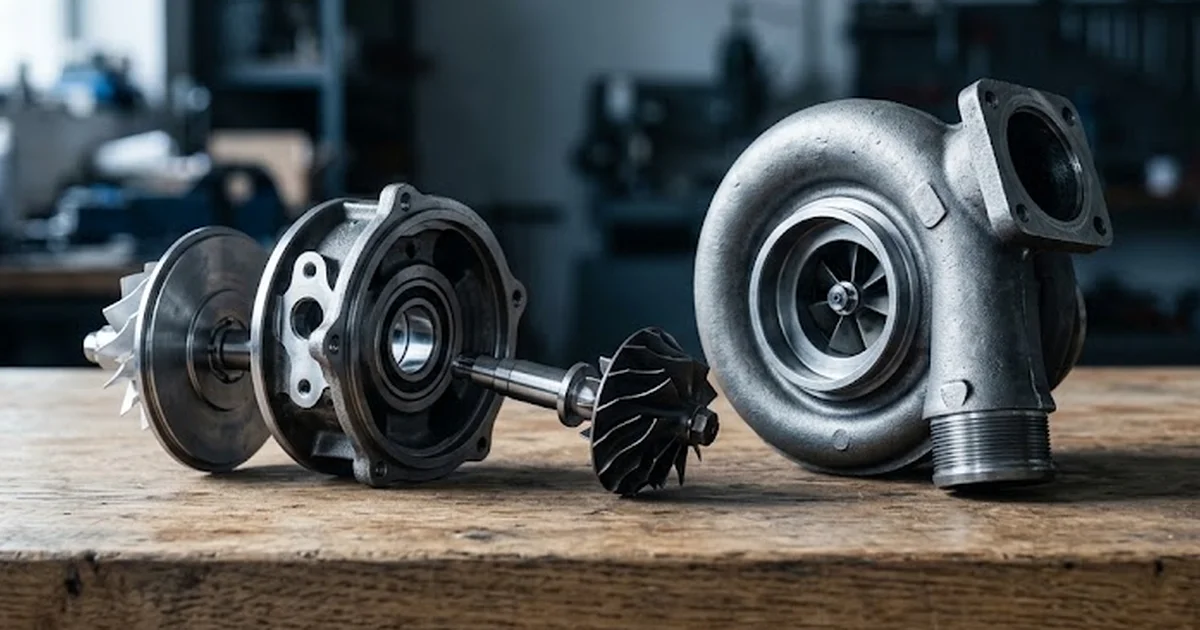
Is a Turbo Covered Under Warranty? Coverage & Exclusions
Wondering if a turbo is covered under warranty? Learn what parts guarantees protect, common failure exclusions, and essential claim requirements to know.