
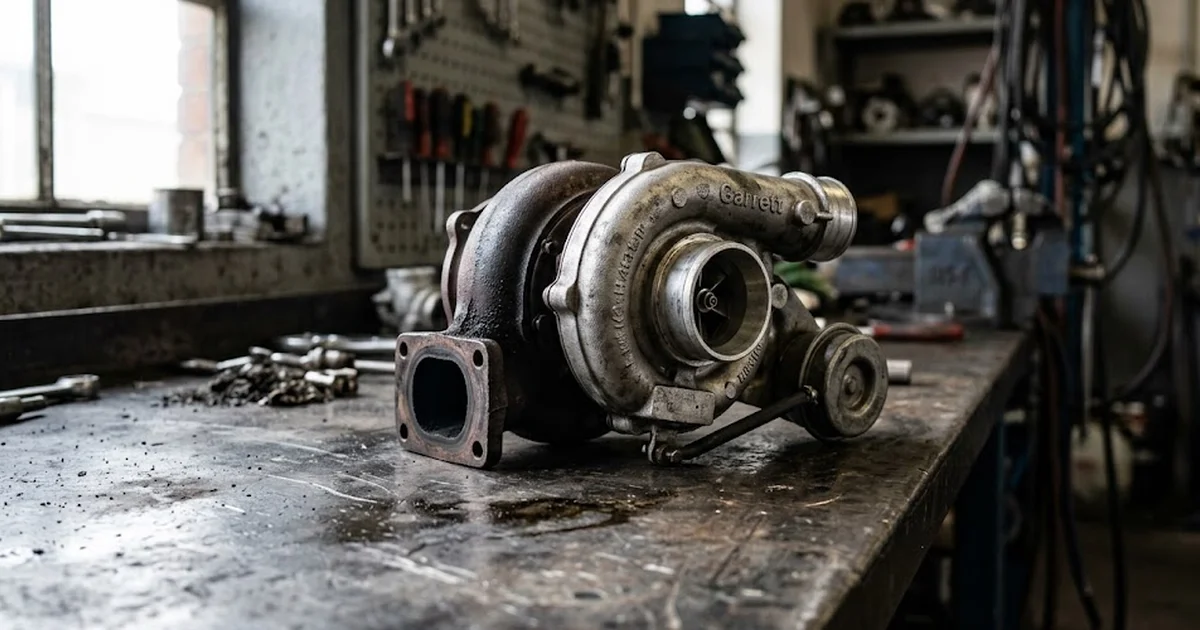
Can a blocked dpf cause turbo failure?
Discover how a blocked DPF can lead to turbo failure, the early warning signs to watch for, and practical steps to protect your turbocharger from damage.
If your vehicle has started to feel sluggish, smoky, or reluctant to rev, you might be asking yourself whether a clogged diesel particulate filter could be dragging your turbocharger down with it. The short answer is yes — a blocked DPF can absolutely contribute to turbo failure, and understanding how the two components interact could save you from a far more expensive repair bill. This guide walks you through the warning signs to watch for, why the relationship exists, and what you should do before a minor restriction becomes a catastrophic failure.
Can a Blocked DPF Cause Turbo Failure? The Direct Connection Explained
Your diesel particulate filter and turbocharger sit on the same exhaust pathway, which means problems in one component rarely stay isolated. When the DPF becomes partially or fully blocked with soot, it creates a restriction that the engine has to push exhaust gases through. This backpressure doesn't just sit harmlessly in the exhaust system — it travels back towards the turbocharger and interferes with how the turbine spins.
In a healthy system, exhaust gases flow smoothly, spinning the turbine wheel at controlled speeds. Once a blockage forms downstream, that smooth flow is disrupted. The turbine has to work against increased resistance, and this abnormal load can accelerate wear on bearings, seals, and shafts that were never designed to cope with sustained excess pressure.
- A blocked DPF increases exhaust backpressure, forcing the turbo to work harder than intended.
- Excess backpressure can push oil past turbo seals, leading to oil leaks into the exhaust or intake.
- Sustained high pressure accelerates bearing wear, shortening the turbo's usable life considerably.
How a Clogged DPF Puts Extra Strain on Your Turbocharger
It helps to understand the mechanics behind this relationship rather than just accepting it as a vague warning. The turbocharger relies on a carefully balanced pressure differential to spin efficiently and to keep oil where it belongs. When a blocked filter disturbs that balance, several things start to go wrong simultaneously.
First, the increased backpressure changes the pressure gradient across the turbo's oil seals. Under normal conditions, these seals are designed to keep oil on the lubrication side of the turbo. When backpressure rises significantly, that balance can be reversed, allowing oil to be drawn into the exhaust or intake side. This is often what causes drivers to notice blue-grey smoke or an unexpected drop in oil level.
Second, the turbine itself experiences abnormal loading. Instead of spinning freely with clean, low-restriction exhaust flow, it's effectively working against a partial dam. Over weeks or months, this uneven strain can lead to bearing degradation, shaft wobble, and eventually complete turbo seizure.
- Reversed pressure differentials can push oil past seals into the exhaust system.
- Turbine blades face inconsistent loading, increasing fatigue on internal components.
- Excess heat generated by restricted flow can degrade lubricating oil more quickly.
Warning Signs to Catch Before a Complete Failure
Catching the early symptoms of a struggling turbo or a blocking DPF gives you the best chance of avoiding total component failure. Many drivers dismiss early signs as minor quirks, but these symptoms typically escalate quickly once backpressure builds beyond a certain point.
- Reduced power and sluggish acceleration — the engine feels noticeably down on power, especially under load or when overtaking.
- Excessive exhaust smoke — black smoke often points to poor combustion linked to DPF restriction, while blue-grey smoke suggests oil is entering the exhaust via the turbo.
- Whining or whistling noises — a turbo under strain often produces an unusual pitch, particularly during acceleration.
- Warning lights on the dashboard — DPF warning lights, engine management lights, or reduced power modes can all indicate the two systems are interacting badly.
- Rising oil consumption — if you're topping up oil more frequently than usual, the turbo seals may already be compromised.
- Rough idle or stalling — restricted exhaust flow can affect idle stability as the engine struggles to expel gases efficiently.
Any one of these symptoms on its own might not be alarming, but two or more appearing together is a strong signal that your DPF and turbo need urgent attention.
DPF and Turbo Symptoms Compared: What Each Fault Looks Like
Because DPF blockages and turbo problems share several overlapping symptoms, it can be difficult to tell which component is failing first. The table below breaks down the more distinctive signs of each, helping you narrow down where the fault likely originates.
| Symptom | More Likely DPF-Related | More Likely Turbo-Related |
|---|---|---|
| Loss of power | Gradual, worsens over several drives | Sudden, often accompanied by noise |
| Smoke colour | Black or grey during regeneration attempts | Blue-grey, oily smell present |
| Dashboard warnings | DPF light, "regeneration required" message | Engine management light, reduced power mode |
| Unusual noise | Rarely present unless severe | Whining, whistling, or grinding under boost |
| Oil level changes | Unaffected in early stages | Noticeable drop, oil consumption increases |
Common Causes of DPF Blockages That Lead to Turbo Damage
Understanding why DPFs block in the first place can help you avoid repeat problems, especially after a turbo replacement. A new turbo fitted alongside an already struggling DPF is likely to fail again within a relatively short time if the underlying cause isn't addressed.
- Frequent short journeys — the DPF never reaches the temperature needed for passive regeneration, allowing soot to accumulate steadily.
- Faulty regeneration cycles — interrupted regenerations leave partially burned soot deposits that harden over time.
- Incorrect oil specification — using oil not suited to DPF-equipped engines can increase ash deposits within the filter.
- Sensor or EGR faults — a malfunctioning EGR valve or sensor can trigger poor combustion, filling the DPF faster than expected.
- Ignoring early warning lights — continuing to drive with a DPF warning illuminated accelerates blockage severity considerably.
From what we see coming through our workshop, the vast majority of turbo failures linked to DPF issues share one common thread: the warning signs were there weeks before the turbo actually gave up. A whining noise here, a puff of smoke there — small things that get brushed off until the engine loses power on the motorway. Our honest advice is simple: if you notice a DPF warning light alongside anything unusual from the turbo, don't wait for the second problem to confirm the first. Get both checked together, because treating them as separate issues rarely tells the full story.
What to Do If You Suspect DPF-Related Turbo Trouble
If you're noticing any combination of the symptoms above, the priority is to avoid making the problem worse through continued driving. Pushing a struggling turbo or an increasingly blocked DPF can turn a repairable fault into a total replacement job for both components.
- Avoid short journeys until the vehicle has been assessed, since these worsen DPF blockages.
- Have the exhaust backpressure tested using proper diagnostic equipment rather than guessing based on symptoms alone.
- Ask for both the DPF and turbo to be inspected together, since one often masks damage to the other.
- Check oil levels and condition regularly if you suspect turbo seal issues, and address them before restarting long journeys.
- Don't ignore repeated failed regeneration attempts — these are a strong indicator that backpressure is already affecting other components.
Diagnosing which component failed first matters, because fitting a new turbo without resolving a blocked DPF is likely to result in premature failure of the replacement part as well.
Preventing Future Failures Through Routine Maintenance
Prevention is considerably cheaper than repair when it comes to the DPF and turbo relationship. A few consistent habits can significantly reduce the risk of backpressure-related turbo damage developing in the first place.
- Take your vehicle on regular longer drives that allow the DPF to reach regeneration temperature naturally.
- Use the correct low-ash oil specification recommended for diesel particulate filter systems.
- Address dashboard warning lights promptly rather than waiting for symptoms to worsen.
- Have exhaust backpressure and turbo boost pressure checked during routine servicing, not just when a fault appears.
- Keep an eye on oil consumption trends over time, as gradual increases often precede visible turbo symptoms.
Staying ahead of these maintenance points won't guarantee you'll never face a turbo issue, but it significantly reduces the chances of a DPF blockage silently damaging your turbocharger over time.
Bringing It All Together: Protecting Your Turbo From DPF-Related Damage
A blocked DPF genuinely can cause turbo failure, largely through the increased exhaust backpressure it creates and the abnormal strain this places on turbine components and oil seals. The good news is that this relationship gives you an early warning system of sorts — catching DPF symptoms early, and taking unusual turbo noises or smoke seriously, gives you a real chance of intervening before both components need replacing.
If you've identified symptoms pointing towards turbo wear, whether linked to a DPF issue or otherwise, it's worth exploring a reliable Turbocharger replacement to restore your vehicle's performance and protect the rest of your exhaust and emissions system from further strain.
Further reading
Frequently asked questions
Everything you need to know about this topic.
A question?
Get in touch directly.

Discussion
Our advice related to Turbocharger
 Turbocharger
Why Is My Turbo Whistling? Warning Signs and Causes
Is your turbo whistling under acceleration? Discover the differences between normal spooling and mechanical failure, from boost leaks to bearing play.
 Turbocharger
How Much HP Does a Turbo Add? Power Gains & Costs
Learn how much horsepower a turbo adds across engine sizes, what drives replacement costs, and how standard exchange delivers full factory performance.
 Turbocharger
Is a Turbo Covered Under Warranty? Coverage & Exclusions
Wondering if a turbo is covered under warranty? Learn what parts guarantees protect, common failure exclusions, and essential claim requirements to know.