
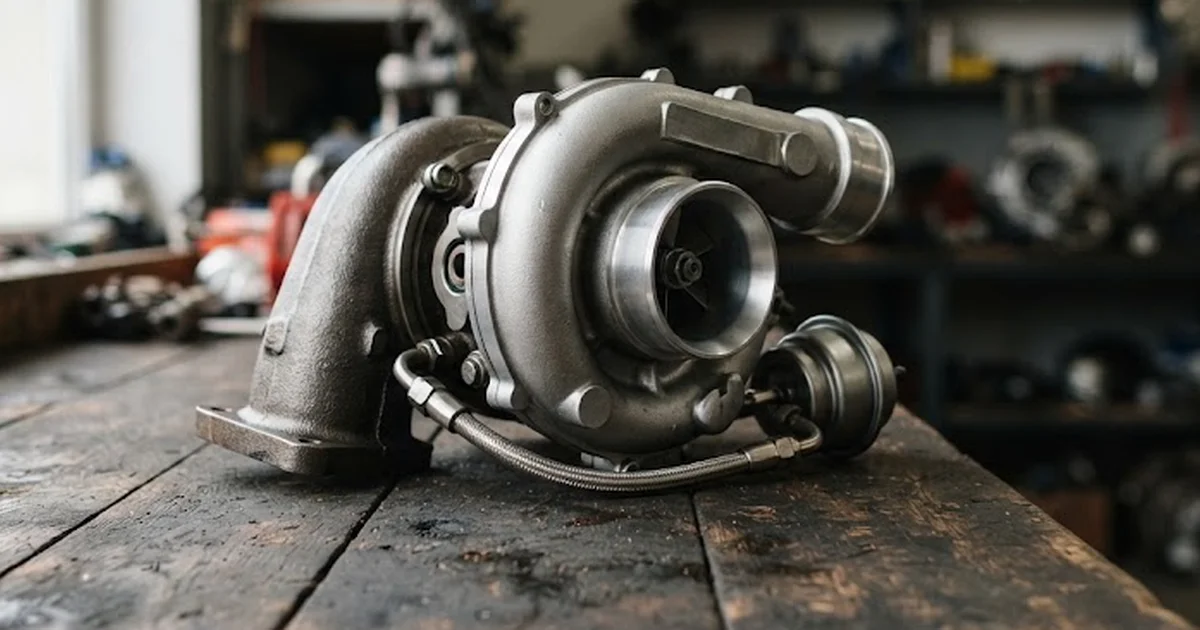
Replace turbo cost: what drives the price, and what you should expect to pay
Wondering what drives replace turbo cost? See typical price ranges, hidden extras, and how to budget for a reliable turbocharger replacement.
If your turbocharger has failed or is on its way out, one question dominates every conversation with a garage or parts supplier: how much is this actually going to cost? The honest answer is that turbo replacement cost varies enormously depending on your vehicle, the type of unit you choose, and how the failure happened in the first place. This guide breaks down exactly what drives the price, what you should realistically budget for, and where you can save money without cutting corners on safety or reliability.
What determines the cost of replacing a turbo?
Turbocharger replacement isn't a single fixed-price job. The final invoice depends on a combination of parts pricing, labour time, and the condition of surrounding components. Understanding these variables helps you make sense of quotes that can otherwise look wildly inconsistent between garages.
- Vehicle make and model: turbos for small hatchbacks are generally cheaper than units fitted to performance diesels, premium SUVs, or commercial vans.
- Turbo type: new, reconditioned, remanufactured, or genuine OEM units all carry different price tags.
- Labour complexity: some turbos are bolted on top of the engine and accessible in under an hour; others sit buried behind the engine or gearbox, requiring several hours of dismantling.
- Cause of failure: a turbo that failed due to oil starvation or debris ingestion often means additional repairs are needed, not just a straight swap.
- Ancillary parts: gaskets, oil feed and return pipes, hoses, and clips are frequently replaced alongside the turbo and add to the total.
Because so many factors interact, two seemingly identical cars can have very different bills depending on mileage, service history, and the specific fault diagnosed.
Typical replace turbo cost ranges by scenario
To give you a realistic starting point, here's a breakdown of what you should expect to pay across common scenarios. These figures include both parts and fitting, and assume no major complications are found once the old turbo is removed.
| Scenario | Typical price range | Notes |
|---|---|---|
| Small petrol car, reconditioned turbo | Budget to mid-range | Straightforward access, fewer ancillary parts required |
| Diesel hatchback or estate, reconditioned turbo | Mid-range | Diesel turbos often run hotter and see more wear on the bearing housing |
| Larger diesel SUV or van, remanufactured turbo | Mid to upper-range | Bigger units, more labour hours, often twin-scroll or variable geometry designs |
| Performance or premium vehicle, new OEM turbo | Upper-range to high | Genuine parts pricing and complex engine bay layouts push costs up significantly |
| Turbo failure with secondary engine damage | Highly variable, often the highest bracket | May involve oil system flush, additional pipework, or catalytic converter checks |
These ranges are a guide rather than a guarantee. Always ask for a written quote that separates parts and labour so you can compare like for like.
New, reconditioned, remanufactured, or used: how turbo type affects price
One of the biggest cost decisions you'll make is which type of replacement turbo to fit. Each option has a different price point, warranty position, and expected lifespan, so it's worth understanding the trade-offs before you commit.
- New turbochargers
- Brand-new units, often OEM or OE-matching, sit at the top of the price scale. They come with the longest expected service life and typically the strongest warranty, but the upfront cost is significantly higher.
- Remanufactured turbochargers
- These are stripped down, inspected, and rebuilt with new wearing parts such as bearings, seals, and sometimes the cartridge assembly. They offer a strong balance between cost and reliability, and are the most common choice for everyday vehicles.
- Reconditioned turbochargers
- Similar in principle to remanufactured units but the process and parts replaced can vary between suppliers, so quality control matters more here. Pricing sits below new units and is often comparable to remanufactured options.
- Used or salvage turbochargers
- The cheapest upfront option, pulled from another vehicle. The risk is unknown wear on internal components, and warranty cover is typically minimal or non-existent.
If your budget allows, a remanufactured unit from a reputable supplier is generally the sweet spot between cost and long-term reliability for most drivers.
Labour costs and what affects fitting time
Labour is often the part of the invoice that surprises people most, because it can vary far more than the price of the turbo itself. A simple bolt-on replacement might take an experienced technician a couple of hours, while a deeply mounted unit on a V6 or V8 engine can take the best part of a working day.
- Engine layout: transverse engines with easy top access are quicker to work on than longitudinal engines where the turbo sits low and rearward.
- Number of turbos: twin-turbo and sequential turbo setups roughly double the complexity, and sometimes the cost, compared with single-turbo engines.
- Corrosion and age: seized bolts, degraded hoses, and rusted clamps on older vehicles add unplanned time to what should be a routine job.
- Additional checks: a competent workshop should also inspect the oil feed pipe, actuator, and intercooler piping while everything is accessible, which adds a little time but prevents repeat failures.
From what we see day to day, the single biggest driver of unexpected costs isn't the turbo itself, it's what caused it to fail in the first place. We always tell customers to budget a contingency alongside the headline quote, because oil feed issues or debris in the intake system can turn a straightforward swap into a longer job once the old unit is off the engine.
Hidden and additional costs to budget for
The advertised price for turbo replacement rarely tells the whole story. Several related costs commonly appear once a mechanic has properly diagnosed the failure, and factoring these in upfront avoids an unpleasant surprise later.
- Oil and filter change: turbo failures are frequently linked to oil starvation or contamination, so a fresh oil and filter change is usually recommended, and sometimes essential, before the new unit is run.
- Oil feed and return pipe replacement: if these are blocked, cracked, or carbonised, they need replacing to protect the new turbo from premature failure.
- Gaskets and seals: reused gaskets are a false economy; new ones are cheap relative to the labour cost of doing the job twice.
- Diagnostic fees: proper fault-finding to confirm the turbo, rather than a related sensor or actuator, is the actual cause of the problem.
- Intercooler and pipework inspection: oil residue or physical damage in the charge pipes can indicate the turbo failure has already contaminated downstream components.
- Exhaust system checks: debris from a shattered turbo can travel into the catalytic converter or diesel particulate filter, sometimes requiring further repair.
Asking your garage directly whether any of these items are included in the quoted price is the simplest way to avoid a bill that grows once the job is underway.
How to keep your turbo replacement cost under control
While some costs are unavoidable, there are practical steps that can keep the overall bill as low as possible without compromising the quality of the repair.
| Action | Why it helps |
|---|---|
| Get quotes from more than one workshop | Labour rates and included extras vary significantly between garages |
| Choose a remanufactured unit over new where appropriate | Meaningful savings with a comparable warranty on most models |
| Ask for a full written breakdown of parts and labour | Prevents surprise add-ons once the job has started |
| Address oil leaks or low oil levels promptly | Reduces the risk of the new turbo failing early from the same cause |
| Replace the oil feed pipe alongside the turbo | Avoids a second labour charge if it fails shortly after |
Acting on early warning signs, such as unusual whistling noises, a loss of power, or blue-tinged exhaust smoke, also tends to reduce cost, because catching a failing turbo early often means less secondary damage to repair.
Signs your turbo needs replacing before costs escalate further
Delaying a turbo replacement rarely makes the job cheaper. In most cases, a struggling turbo continues to send oil, debris, or unmetered air into the engine, increasing the chance of expensive knock-on damage.
- Persistent whistling, whining, or rattling noises from the engine bay under acceleration.
- Noticeable loss of power or sluggish acceleration compared with normal driving.
- Thick blue or grey smoke from the exhaust, suggesting oil is being burnt.
- A dashboard warning light linked to boost pressure or engine performance.
- Visible oil residue around the turbo housing or in the intercooler piping.
If you notice any of these symptoms, getting the vehicle assessed promptly is almost always cheaper in the long run than continuing to drive on a failing unit.
Final thoughts on turbo replacement cost
Replacing a turbo is rarely a one-size-fits-all expense. Your final bill depends on the type of vehicle you drive, whether you choose a new, remanufactured, reconditioned, or used unit, how accessible the turbo is for fitting, and whether the original failure has caused any secondary damage. Getting a clear, itemised quote, understanding what's included, and addressing the root cause of the failure are the best ways to keep costs predictable and avoid paying for the same repair twice. If you're ready to compare options for your vehicle, take a look at our Turbocharger category, where you'll find a range of units to suit different budgets and requirements.
Further reading
Frequently asked questions
Everything you need to know about this topic.
A question?
Get in touch directly.
Discussion
Our advice related to Turbo
 turbo
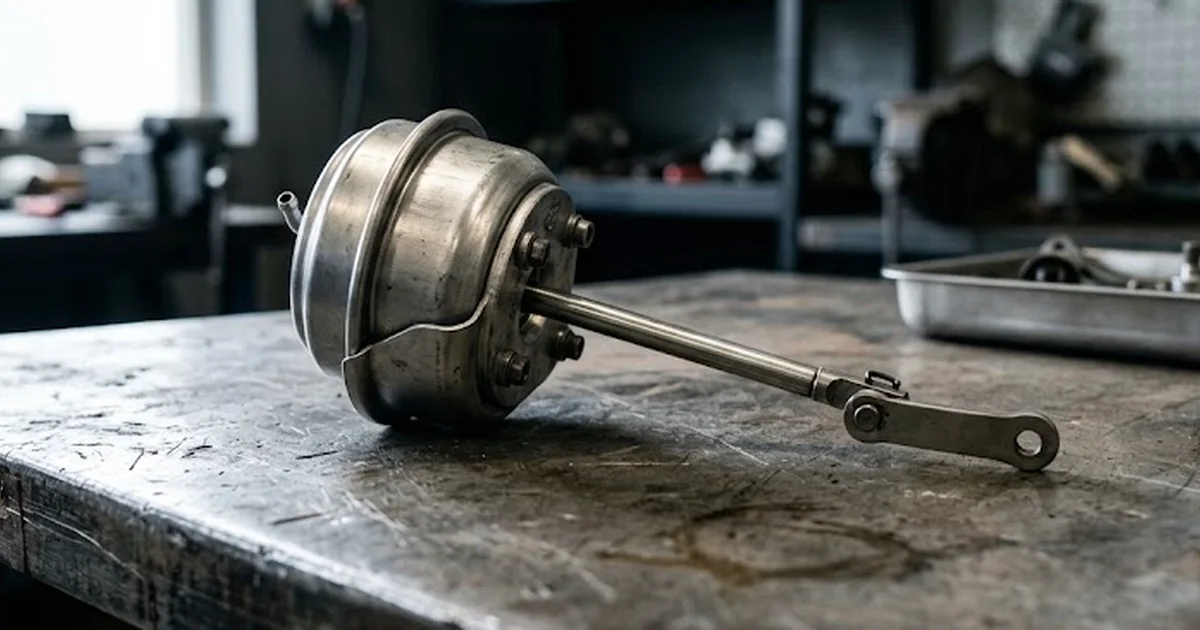
turboTurbo Actuator Replacement: What Fitting Really Involves
Thinking about turbo actuator replacement? Here's what fitting or refitting the part genuinely involves, from diagnosis to calibration and testing.
 turbo
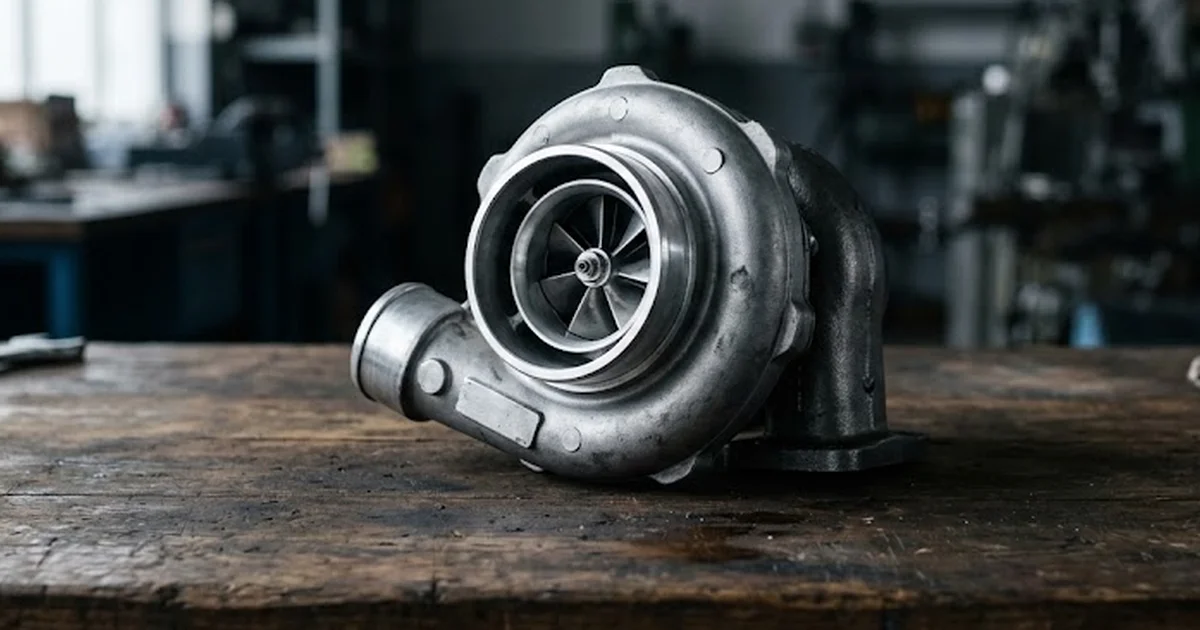
turboHow Do You Know If a Turbo Is Bad? Key Signs
Learn the telltale signs of a failing turbocharger, what causes turbo failure, and how to check your turbo before it leaves you stranded on the road.
 turbo
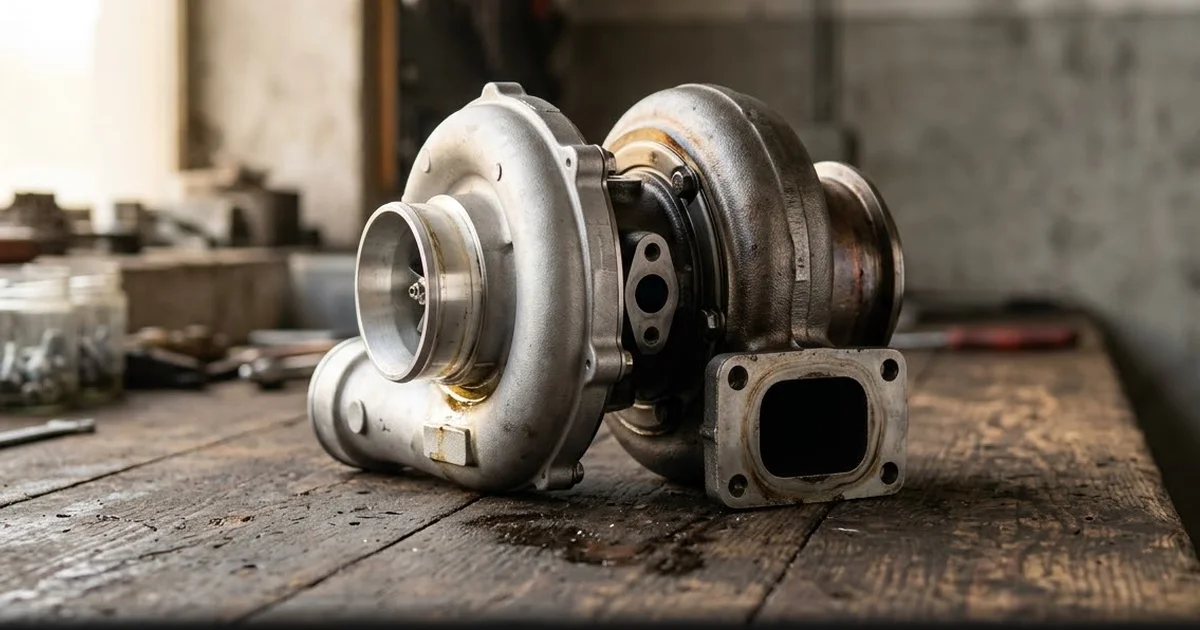
turboHow to Tell If Your Turbo Is Bad: Warning Signs
Learn how to tell if your turbo is bad before you buy a replacement. Spot the noises, smoke and power loss that reveal a genuine turbo fault.