
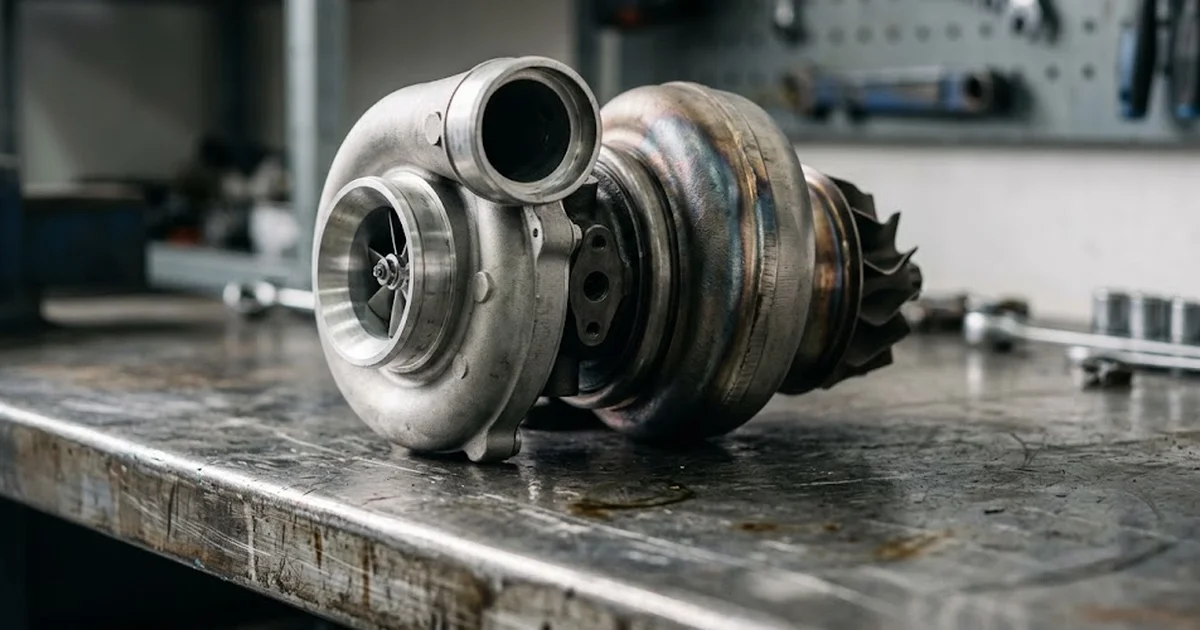
What is a turbo in a car?
Discover what a turbo is, how it works, and why it boosts engine power. Clear, expert explanations for UK drivers, plus maintenance tips inside.
If you have ever glanced under the bonnet of a modern car and spotted a compact metal unit bolted to the exhaust manifold, glowing faintly with heat and connected to a web of pipework, there is a good chance you were looking at a turbocharger. Understanding what a turbo actually does — and how it manages to squeeze more power out of an engine without simply making it bigger — helps you make smarter decisions about maintenance, fuel choice, and driving style. This guide breaks down exactly what a turbo is, how it works, and why it has become one of the most common components in petrol and diesel engines alike.
What Is a Turbo in a Car? The Basics Explained
A turbo, short for turbocharger, is a forced induction device that increases an engine's power output by forcing more air into the combustion chamber than the engine could draw in on its own. More air means more oxygen, and more oxygen allows the engine to burn more fuel per cycle, producing extra power without needing a larger, heavier engine block.
In simple terms, a turbocharger is an air pump driven by exhaust gases. It recycles energy that would otherwise be wasted out of the exhaust pipe and uses it to compress incoming air. This is what makes turbocharged engines so efficient: they extract more performance from a smaller displacement, which is why so many manufacturers have moved from large naturally aspirated engines to smaller turbocharged units over the past two decades.
- A turbo is bolted directly onto the exhaust manifold, close to where hot gases exit the engine.
- It contains two connected wheels: a turbine wheel spun by exhaust gas, and a compressor wheel that pressurises intake air.
- The compressed air is then routed through an intercooler before entering the engine, improving density and combustion efficiency.
- Turbos are used on both petrol and diesel engines, though the specific design details often differ.
How Does a Turbocharger Work? The Science Behind Forced Induction
To understand how a turbo works, it helps to picture the engine as an air pump in its own right. A naturally aspirated engine relies purely on atmospheric pressure and piston movement to pull air into the cylinders. A turbocharged engine adds a second stage: exhaust gas leaving the cylinders spins a turbine wheel at extremely high speeds, sometimes exceeding 200,000 revolutions per minute. That turbine is connected via a shared shaft to a compressor wheel on the intake side, which pressurises the air heading into the cylinders.
Because compressing air heats it up, most turbocharged engines include an intercooler positioned between the turbo and the intake manifold. The intercooler cools the pressurised air before it enters the engine, making it denser and richer in oxygen, which further improves combustion efficiency and helps protect internal components from excessive heat.
The core stages of turbo operation
- Exhaust gases exit the combustion chamber and flow into the turbine housing.
- The force of these gases spins the turbine wheel at very high speed.
- The shared shaft transfers this rotational energy to the compressor wheel.
- The compressor draws in fresh air and pressurises it.
- Pressurised air passes through the intercooler, cooling and densifying it.
- The denser air enters the combustion chamber, allowing more fuel to be burned per cycle.
Turbo vs Naturally Aspirated Engines: Key Differences
Not every engine uses forced induction, and it is worth understanding how turbocharged engines compare with naturally aspirated ones, since the differences affect everything from fuel economy to how the car feels to drive.
| Characteristic | Turbocharged Engine | Naturally Aspirated Engine |
|---|---|---|
| Power delivery | Builds strongly once boost kicks in, often with a noticeable surge | Linear and predictable throughout the rev range |
| Engine size for given power | Smaller displacement can produce comparable or greater power | Typically requires larger displacement for equivalent output |
| Fuel efficiency | Generally better under light load, due to smaller displacement | More predictable consumption, less variance between light and heavy load |
| Response at low revs | Can suffer from turbo lag before boost arrives | Immediate throttle response with no lag |
| Maintenance considerations | Additional components such as intercoolers, wastegates and oil feeds | Fewer moving parts related specifically to induction |
Turbocharging has become the default choice for most modern manufacturers because it allows smaller engines to meet demanding efficiency targets while still delivering strong real-world performance.
Types of Turbochargers Used in Modern Cars
Not all turbos are built the same way. Depending on the vehicle, the manufacturer's priorities, and whether the engine is petrol or diesel, you will find several different turbocharger designs on the road today.
- Single turbo: The most common setup, using one turbocharger sized to balance responsiveness and top-end power.
- Twin-turbo: Two turbochargers working together, either in parallel for high-revving power delivery or sequentially, where a smaller turbo handles low revs and a larger one takes over at higher speeds.
- Variable geometry turbo (VGT): Common in diesel engines, this design uses adjustable vanes to alter the turbine's effective size, reducing lag across a wider rev range.
- Electric or hybrid-assisted turbo: An electric motor spins the compressor independently of exhaust flow, virtually eliminating lag at low revs.
- Twin-scroll turbo: Separates exhaust pulses from different cylinders into two channels feeding the turbine, improving efficiency and reducing lag compared with a standard single-scroll design.
Common Turbo Problems and Signs of Failure
Like any high-speed mechanical component, a turbocharger can wear out or fail, particularly if oil supply is neglected or the engine is driven hard from cold. Spotting the warning signs early can save you from a far more expensive repair further down the line.
- Loss of power or sluggish acceleration: Often the first sign that boost pressure is not being generated correctly.
- Excessive exhaust smoke: Blue smoke usually points to oil leaking into the exhaust or intake side of the turbo.
- Whining or whistling noises: A failing bearing or shaft can produce a distinctive high-pitched sound under acceleration.
- Warning lights on the dashboard: Reduced power modes or check engine lights can be triggered by boost pressure sensor faults or actuator issues.
- Increased oil consumption: Worn turbo seals can allow oil to be drawn into the combustion chamber and burned off.
From what we see coming through our workshop conversations, the single biggest cause of premature turbo failure is not manufacturing defects — it is oil starvation. Drivers who switch the engine off immediately after a hard, hot drive, without giving the turbo a moment to cool, are the ones who tend to come back with bearing wear or shaft damage sooner than expected. A simple thirty-second idle before shutdown makes a genuine difference to how long a turbo lasts.
Turbo Maintenance Tips to Extend Lifespan
Because a turbocharger spins at extraordinary speeds and operates under intense heat, it depends heavily on clean oil, stable oil pressure, and sensible driving habits. Fortunately, most of the practices that protect a turbo are straightforward and cost nothing beyond a little patience.
- Allow the engine to idle briefly after a spirited drive so the turbo can cool before the oil supply stops.
- Warm the engine gently before demanding full boost, especially in cold weather.
- Stick to the recommended oil change intervals, using an oil grade suited to turbocharged engines.
- Address any oil leaks or pressure warnings quickly, since turbos are highly sensitive to oil starvation.
- Keep the air filter clean, since a restricted intake forces the turbo to work harder to maintain boost pressure.
- Have boost hoses and intercooler pipework inspected periodically for cracks or loose clamps, which can cause a noticeable loss of power.
Why Understanding Your Turbo Matters for Everyday Driving
Knowing what a turbo does and how it behaves changes the way many drivers approach their daily routine behind the wheel. It is not just a performance add-on hidden under the bonnet; it is a component that directly shapes fuel efficiency, throttle response, and long-term engine health.
| Driving Habit | Effect on Turbo Health |
|---|---|
| Cold starts followed by hard acceleration | Increases wear due to insufficient oil flow and lubrication before full load |
| Regular gentle warm-up before demanding performance | Reduces thermal stress and extends component life |
| Ignoring dashboard warning lights | Allows minor faults to escalate into major turbo failures |
| Consistent oil changes with correct specification | Maintains lubrication quality and reduces bearing wear |
Simple awareness of these habits can add years of reliable service to a turbocharger, and it also helps you recognise the early signs of trouble before they become costly failures.
Conclusion: Putting Turbo Knowledge Into Practice
A turbo is, at its core, an ingenious way of recycling wasted exhaust energy to force more air into an engine, allowing smaller units to produce the kind of power once reserved for much larger, thirstier engines. It works by spinning a turbine using exhaust gases, which in turn drives a compressor that pressurises intake air, usually cooled further by an intercooler before it reaches the combustion chamber. Different designs — single, twin, variable geometry, or electric-assisted — each address the balance between responsiveness and outright power in slightly different ways.
Because a turbocharger operates under such extreme speeds and temperatures, it rewards good habits like gentle warm-ups, proper cool-down periods, and consistent oil maintenance, while punishing neglect with reduced power, smoke, or premature failure. If your vehicle is showing any of the warning signs discussed here, or if you are simply looking to learn more about the parts involved in forced induction, take a look through our Turbocharger category, where you will find a detailed range of components suited to keeping this vital part of your engine running as it should.
Further reading
Frequently asked questions
Everything you need to know about this topic.
A question?
Get in touch directly.
Discussion
Our advice related to Turbo
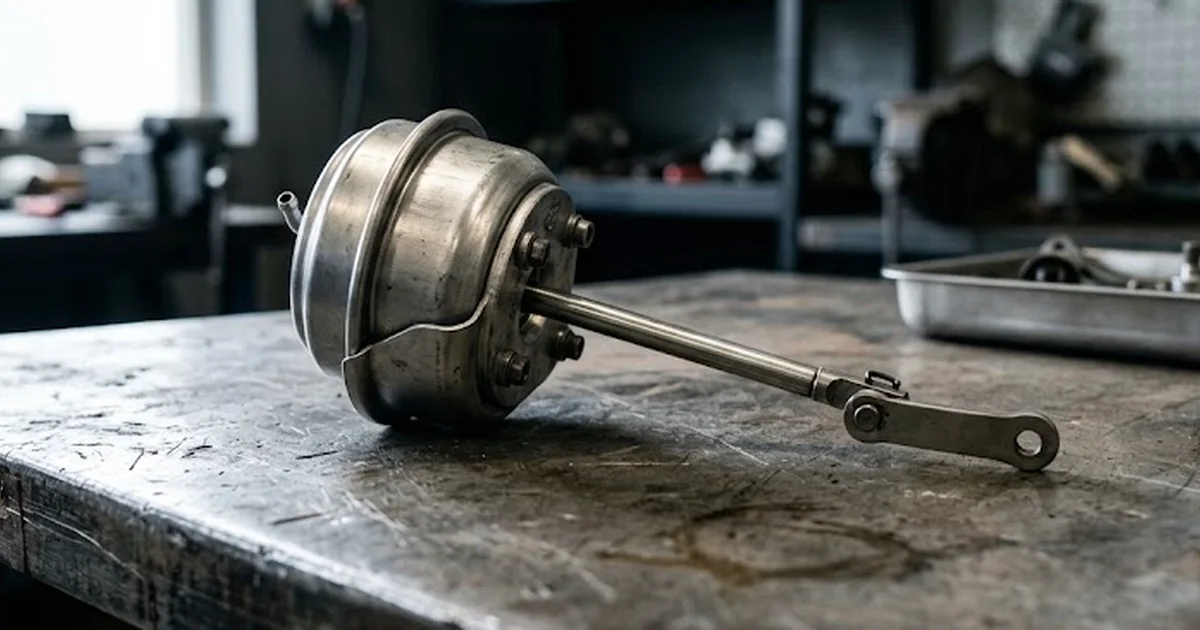 turbo
turboTurbo Actuator Replacement: What Fitting Really Involves
Thinking about turbo actuator replacement? Here's what fitting or refitting the part genuinely involves, from diagnosis to calibration and testing.
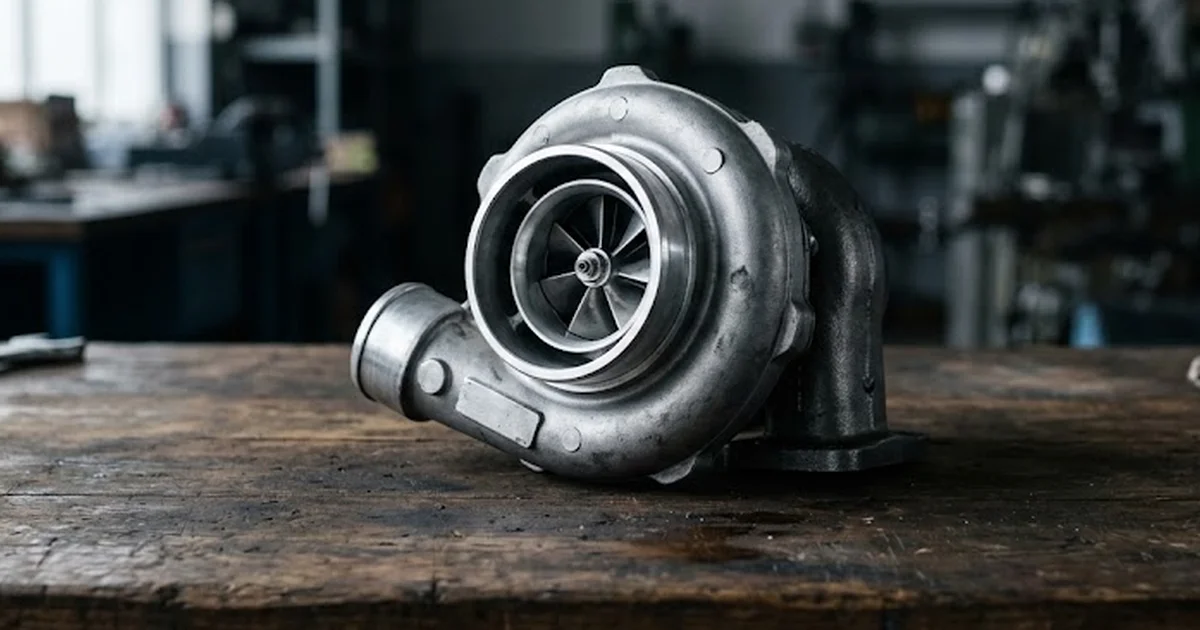 turbo
turboHow Do You Know If a Turbo Is Bad? Key Signs
Learn the telltale signs of a failing turbocharger, what causes turbo failure, and how to check your turbo before it leaves you stranded on the road.
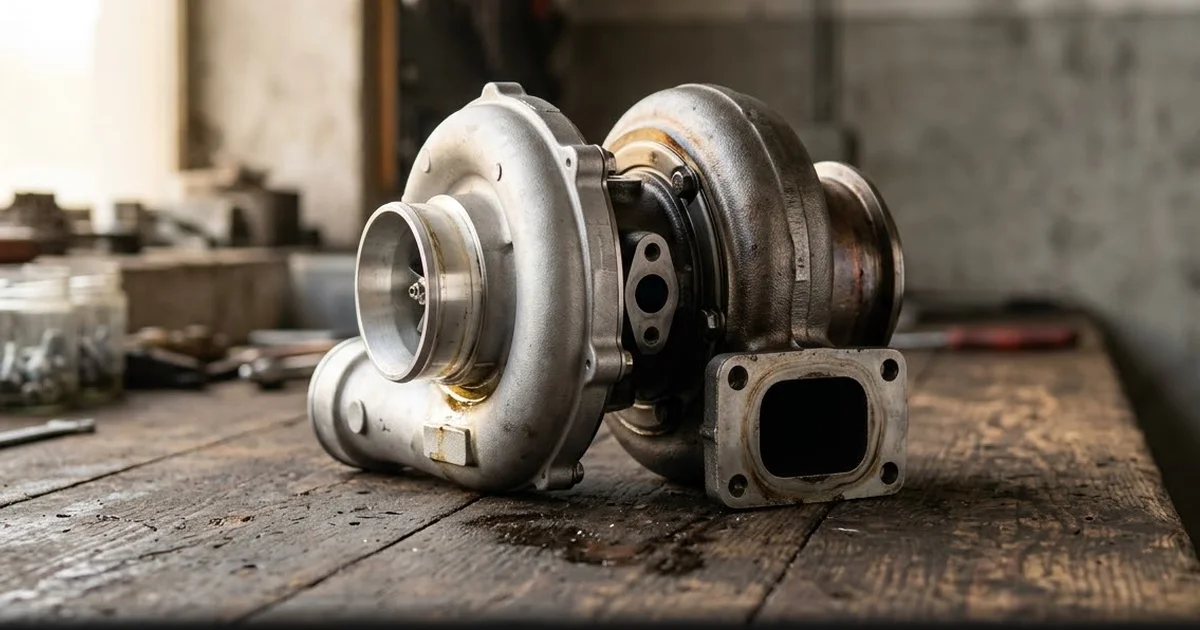 turbo
turboHow to Tell If Your Turbo Is Bad: Warning Signs
Learn how to tell if your turbo is bad before you buy a replacement. Spot the noises, smoke and power loss that reveal a genuine turbo fault.