
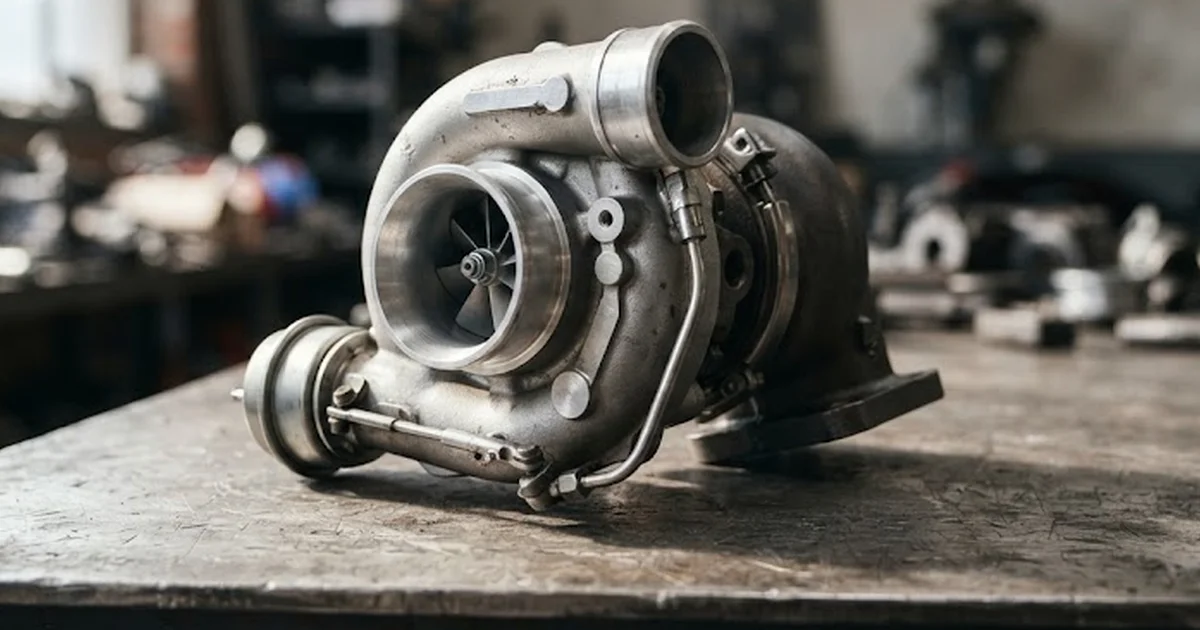
What is a hybrid turbo?
Discover what a hybrid turbo is, how it works, and whether it suits your engine. Clear, practical guidance from turbo specialists to help you decide.
If you have been researching turbo upgrades or trying to diagnose a sluggish response from your engine, you have probably come across the term hybrid turbo. It sounds like a straightforward concept, but there is more nuance to it than most explanations give credit for. This guide breaks down exactly what a hybrid turbo is, how it works, and why so many performance-minded drivers and workshops choose one over a standard replacement unit.
What Is a Hybrid Turbo? Definition and Core Concept
A hybrid turbo is a turbocharger built by combining the standard outer housing of an original turbo with upgraded internal components, most commonly a larger or reprofiled compressor wheel, a modified turbine wheel, or a stronger bearing system. The result is a unit that retains the original mounting points and fitment of your factory turbo but delivers noticeably more airflow and, in turn, more power.
Unlike a full aftermarket turbo replacement, a hybrid turbo is not an entirely new part sourced from a different manufacturer or platform. It is your existing turbo housing, professionally reworked with uprated internals to push performance beyond what the factory unit was designed to achieve.
- Housing: usually kept as the original casting for a direct bolt-on fit
- Compressor wheel: often upgraded to a larger or billet design for improved airflow
- Turbine wheel: sometimes reprofiled to spool more efficiently at the new airflow targets
- Bearings and shaft: frequently reinforced to cope with higher rotational speeds
How a Hybrid Turbo Works: Components and Airflow
To understand why a hybrid turbo makes a difference, it helps to revisit how any turbocharger functions. Exhaust gases spin the turbine wheel, which is connected via a shaft to the compressor wheel on the intake side. The compressor wheel then forces more air into the engine than it could draw in naturally, allowing more fuel to be burned and more power to be produced.
A hybrid build modifies this system at its most critical points. By fitting a larger compressor wheel, the unit can move a greater volume of air per revolution. By reprofiling the turbine side, engineers can balance out the additional exhaust flow needed to spin the larger compressor efficiently, without creating excessive lag.
The bearing system also plays a crucial role. Higher airflow means higher rotational speeds, and a factory bearing setup is not always built to withstand that extra stress over the long term. This is why reputable hybrid turbo builds typically include an upgraded bearing or ball-bearing conversion, improving both durability and spool-up response.
- Exhaust gases enter the turbine housing and spin the turbine wheel
- The shaft transfers rotational energy to the compressor wheel
- The upgraded compressor wheel forces a greater volume of air into the intake
- Reinforced bearings support the higher speeds without premature wear
- The reworked turbine side manages exhaust flow to keep lag in check
Hybrid Turbo vs Standard Turbo vs Full Billet Turbo
One of the most common points of confusion is how a hybrid turbo compares to both a standard factory unit and a fully aftermarket billet turbo. Each option sits at a different point on the cost, performance, and complexity scale.
| Feature | Standard Turbo | Hybrid Turbo | Full Billet Turbo |
|---|---|---|---|
| Housing | Original factory casting | Original factory casting, reused | New aftermarket housing |
| Internals | Factory specification | Upgraded compressor and/or turbine | Fully aftermarket, purpose-built |
| Fitment | Direct replacement | Direct bolt-on in most cases | May require supporting modifications |
| Typical power gain | Factory baseline | Moderate to significant increase | Highest potential increase |
| Cost | Lowest | Mid-range | Highest |
A hybrid turbo is often the middle ground that gives you real, tangible performance gains without the cost and installation complexity of a complete aftermarket system.
Signs You Might Need a Hybrid Turbo Upgrade
Hybrid turbos are not just for drivers chasing extra power. Many people move to a hybrid unit because their existing turbo is struggling to keep up with modified engine management, increased boost demands, or simply age-related wear that a standard replacement would not fully resolve.
- Your engine has been remapped and is now requesting more airflow than the stock turbo can deliver
- You are experiencing boost that tapers off or plateaus earlier than expected at higher RPM
- You have replaced other supporting components, such as the intercooler or exhaust, and want the turbo to match
- Your current turbo has failed and you want a stronger replacement rather than a like-for-like factory unit
- You are planning further performance modifications and want headroom for future upgrades
If any of these apply to you, it is worth having a proper diagnostic conversation with a specialist before committing to a specific hybrid specification, since the correct build depends heavily on your engine, gearbox, and intended use.
Benefits and Limitations of Hybrid Turbochargers
Like any performance upgrade, a hybrid turbo comes with clear advantages, but it is not automatically the right choice for every driver or every vehicle. Understanding both sides helps you make a decision that actually suits your car and your driving style.
In our experience at autoKUR, the biggest mistake people make is choosing a hybrid turbo spec based purely on the largest power figure they can find online, rather than matching it to their actual engine, gearbox, and driving conditions. A hybrid built for a track car sitting in daily traffic will feel laggy and frustrating, while one matched properly to the vehicle and its use case transforms the driving experience without any of the downsides.
- Benefit: increased airflow and power potential from your existing housing
- Benefit: generally more affordable than a full aftermarket turbo replacement
- Benefit: retains factory-style fitment, simplifying installation
- Limitation: requires supporting fuelling and engine management to fully realise gains
- Limitation: an incorrectly specified hybrid can introduce unwanted turbo lag
- Limitation: build quality varies significantly between suppliers
Choosing and Fitting a Hybrid Turbo: What to Consider
Once you understand what a hybrid turbo is and how it works, the next step is thinking practically about how to select and fit one correctly. This is where many upgrades succeed or fail, regardless of how good the components themselves are.
- Confirm the hybrid specification is designed specifically for your engine code and power target
- Check whether your fuelling, injectors, and engine management can support the increased airflow
- Make sure the supplying workshop balances the rotating assembly correctly before fitment
- Inspect oil feed and return lines, as increased bearing loads demand reliable lubrication
- Ask about warranty terms, since not all hybrid builds are covered to the same standard
It is also worth having any hybrid turbo fitted or specified with the help of someone experienced in turbo systems specifically, rather than general engine tuning alone. The relationship between turbine sizing, compressor sizing, and your engine's exhaust characteristics is what determines whether the finished result feels responsive or simply louder and thirstier.
Hybrid Turbo Summary: Is It the Right Choice for You?
A hybrid turbo offers a genuinely effective way to extract more performance from your engine without the expense and complexity of a full aftermarket turbo system. By upgrading key internal components while retaining your original housing, you get a meaningful boost in airflow and power, provided the specification is matched properly to your engine and driving needs.
If you are considering a turbo upgrade, whether because of a remap, a failed unit, or simply the pursuit of better performance, take the time to get the specification right before you buy. To explore turbo options suited to your vehicle, take a look at our Turbocharger category, where you will find a range of units to compare against your current setup.
Further reading
Frequently asked questions
Everything you need to know about this topic.
A question?
Get in touch directly.
Discussion
Our advice related to Turbo
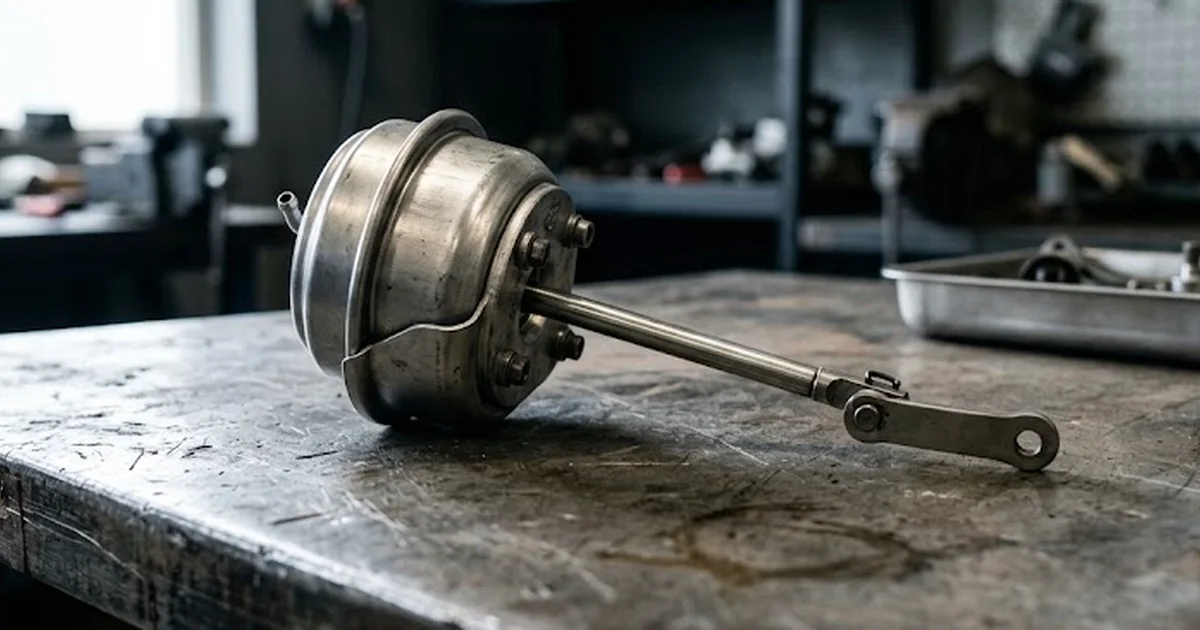 turbo
turboTurbo Actuator Replacement: What Fitting Really Involves
Thinking about turbo actuator replacement? Here's what fitting or refitting the part genuinely involves, from diagnosis to calibration and testing.
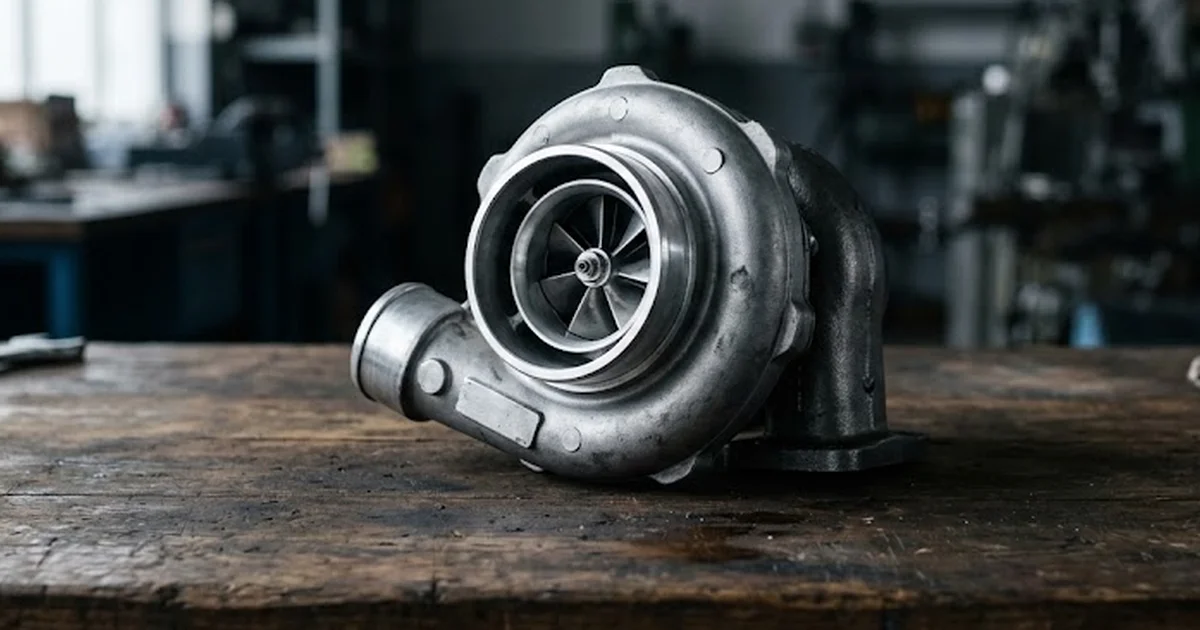 turbo
turboHow Do You Know If a Turbo Is Bad? Key Signs
Learn the telltale signs of a failing turbocharger, what causes turbo failure, and how to check your turbo before it leaves you stranded on the road.
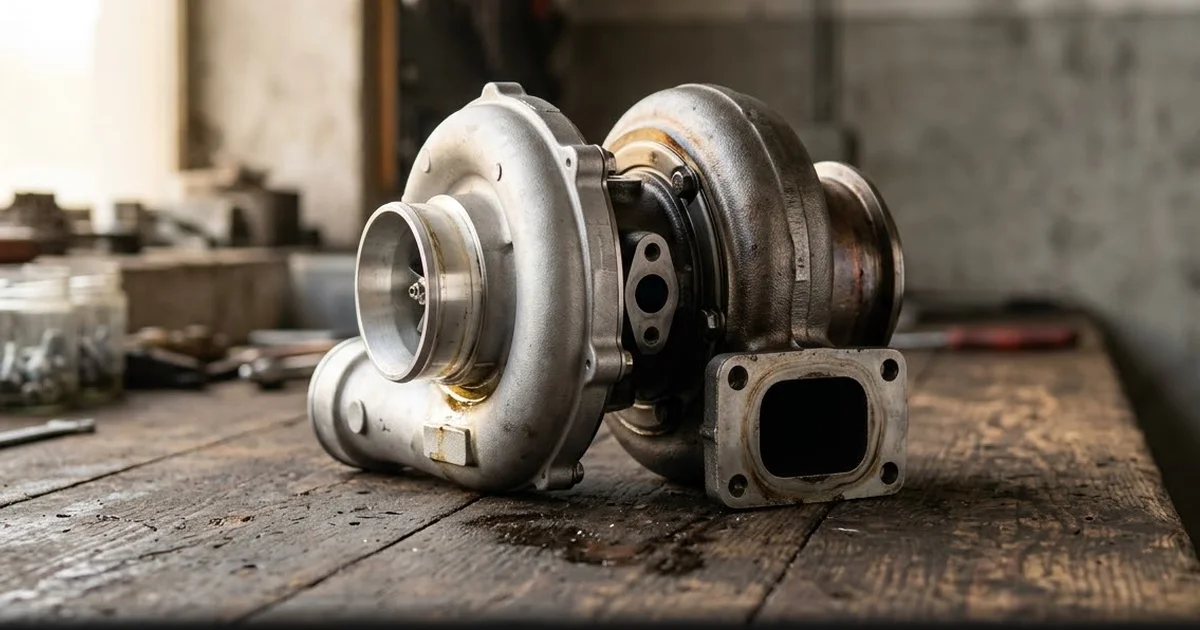 turbo
turboHow to Tell If Your Turbo Is Bad: Warning Signs
Learn how to tell if your turbo is bad before you buy a replacement. Spot the noises, smoke and power loss that reveal a genuine turbo fault.