
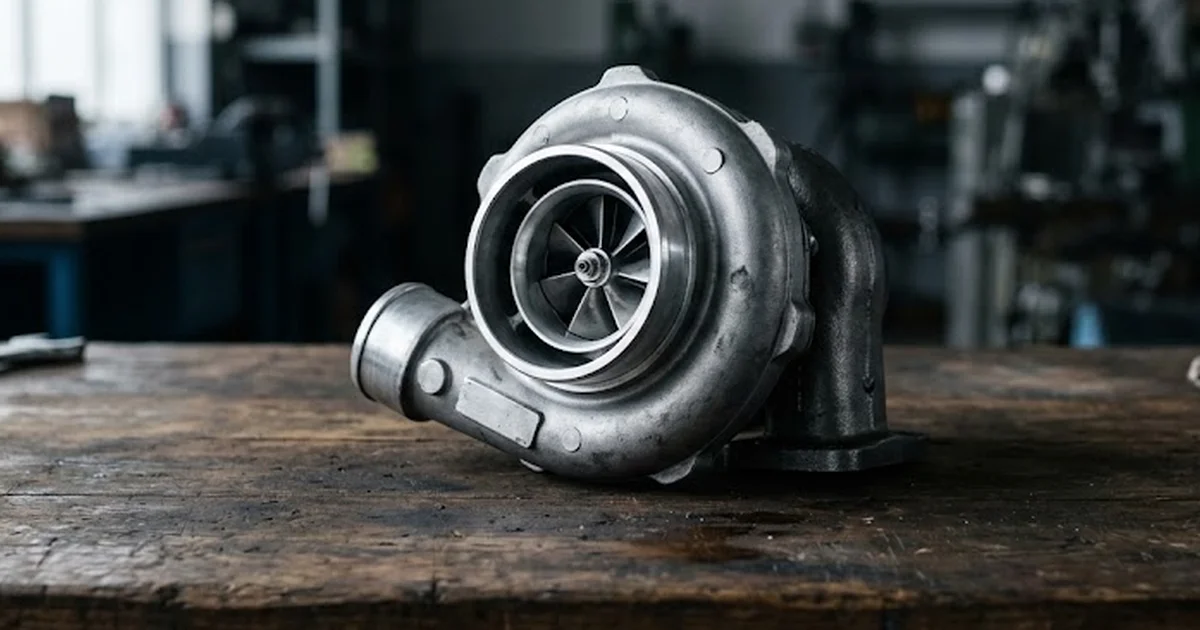
How do you know if a turbo is bad?
Learn the telltale signs of a failing turbocharger, what causes turbo failure, and how to check your turbo before it leaves you stranded on the road.
A failing turbocharger rarely announces itself with a single dramatic event. Instead, it tends to whisper first through subtle changes in performance, sound, and smoke, then shout once the damage becomes severe. Knowing how to read those early signals can save you from an expensive engine repair further down the line. This guide walks you through exactly what a turbo does, the warning signs that point to a fault, and what steps you can take to confirm your suspicions before they turn into a breakdown.
What Does a Turbocharger Actually Do?
Before you can diagnose a fault, it helps to understand what the part is supposed to be doing in the first place. A turbocharger is a forced-induction device that uses exhaust gas energy to spin a turbine, which in turn drives a compressor wheel. That compressor forces extra air into the engine's cylinders, allowing more fuel to be burned and producing significantly more power than the engine could generate on its own.
The turbo spins on a shaft supported by a thin film of pressurised oil, often at speeds exceeding 150,000 revolutions per minute. This means the unit relies on three things to stay healthy:
- Clean, correctly pressurised oil to lubricate and cool the centre bearing
- Sealed intake and exhaust systems free of leaks or cracks
- Clean air intake without debris that could damage the compressor blades
When any of these three conditions are compromised, the turbo begins to wear unevenly, lose efficiency, or fail outright. Recognising the symptoms early is the difference between a straightforward repair and a full engine rebuild.
How Do You Know If a Turbo Is Bad? The Key Warning Signs
This is the question most drivers are really asking when their car starts behaving oddly. The good news is that a failing turbo produces a fairly consistent set of symptoms, even though the exact combination varies depending on the cause. Here are the signs you should never ignore:
- Loss of power or sluggish acceleration, particularly when you press the accelerator and expect boost to kick in
- Loud whining or high-pitched siren noise from the engine bay, often increasing with engine speed
- Excessive exhaust smoke — blue-grey smoke usually points to oil being burned inside the turbo
- Check engine warning light triggered by low boost pressure or sensor readings outside normal range
- Increased oil consumption without any visible external leaks
- Whistling or hissing sounds that suggest a boost leak somewhere in the intake system
- Burning smell from the engine bay, sometimes linked to oil leaking onto hot turbo housing
If you notice two or more of these symptoms occurring together, it is a strong indication that the turbocharger needs proper inspection rather than a quick fix.
In our workshop experience, the single most overlooked sign is a subtle change in engine sound long before any warning light appears. Drivers often describe it as the car "just not sounding right" for weeks before power loss becomes obvious. If something sounds different under acceleration, we always recommend getting it checked immediately rather than waiting for a dashboard alert that may never come in time.
Common Causes of Turbo Failure You Should Understand
Turbochargers rarely fail without a reason. Identifying the underlying cause not only helps confirm the diagnosis but also prevents the replacement unit from suffering the exact same fate. The three most common culprits are oil starvation, oil contamination, and foreign object damage.
- Oil starvation — caused by low oil level, a failing oil pump, or a blocked feed line, this deprives the bearings of lubrication and leads to rapid wear
- Oil contamination — dirty or degraded oil introduces abrasive particles that score the bearing surfaces and shaft
- Foreign object damage — debris entering through a damaged air filter or intake hose can chip or bend the compressor blades
- Excessive exhaust backpressure — a blocked catalytic converter or diesel particulate filter forces the turbine to work harder than intended
- Worn seals — over time, oil seals harden and lose their ability to contain lubricant, allowing oil to leak into the intake or exhaust
Understanding which of these applies to your situation matters because it changes how you approach the repair. A turbo replaced without fixing an oil starvation issue, for example, is likely to fail again within a very short time.
Turbo Fault Symptoms Compared: What Each Sign Actually Means
Not every symptom points to the same underlying problem. The table below breaks down the most common signs, what typically causes them, and how urgent the situation usually is.
| Symptom | Likely Cause | Urgency Level |
|---|---|---|
| Loud whining noise under acceleration | Worn bearings or shaft imbalance | High — schedule inspection soon |
| Blue-grey exhaust smoke | Oil leaking past worn seals into the exhaust | High — indicates internal damage |
| Loss of power or delayed boost | Boost leak, blocked intercooler, or worn turbine | Medium — monitor and diagnose promptly |
| Whistling or hissing sound | Cracked hose or loose intake connection | Medium — usually a repairable leak |
| Rising oil consumption | Oil seal failure inside the turbo housing | High — risk of catastrophic failure |
| Warning light with stored fault code | Sensor reading outside expected boost range | Medium — requires diagnostic scan |
Use this table as a starting point rather than a final diagnosis. Many symptoms overlap, and a proper inspection with a boost gauge, smoke test, or diagnostic scanner is the only reliable way to confirm the exact fault.
How to Test a Turbocharger Yourself Before Booking a Repair
While a full diagnosis usually requires professional equipment, there are several checks you can perform yourself to narrow down whether the turbo itself is at fault or whether the problem lies elsewhere in the induction system.
- Check the oil level and condition — dark, gritty, or unusually thin oil can point directly to turbo-related contamination
- Inspect the air filter and intake hoses for cracks, loose clamps, or signs of oil residue inside the piping
- Look at the exhaust smoke colour during a cold start and under hard acceleration
- Listen for changes in pitch as engine speed rises — a healthy turbo produces a smooth, consistent whistle rather than a grinding or fluttering sound
- Check for play in the turbo shaft if you can safely access the compressor wheel — excessive movement side to side or in and out indicates worn bearings
- Scan for stored fault codes using an OBD reader, paying particular attention to boost pressure and turbine position sensor codes
If any of these checks reveal a problem, avoid driving the vehicle hard until a proper inspection has taken place. Continuing to push a compromised turbo often turns a moderate repair into a complete replacement.
What Happens If You Keep Driving with a Failing Turbo?
It can be tempting to keep driving while symptoms are still mild, especially if the car still starts and runs. However, delaying action tends to make the eventual repair significantly more expensive and, in some cases, dangerous.
- Bearing failure can cause the turbine or compressor wheel to contact the housing, sending metal fragments into the engine or exhaust system
- Oil leaking into the intake can cause uncontrolled acceleration in extreme cases, as the engine begins burning oil as fuel
- Debris from a damaged turbo can travel downstream, damaging the catalytic converter, diesel particulate filter, or intercooler
- Reduced boost pressure forces the engine to work harder to maintain performance, increasing wear on pistons and valves
None of these outcomes are worth the short-term convenience of postponing a repair. If you have already identified two or more warning signs, treat it as a priority rather than an inconvenience to deal with later.
When to Repair, Recondition, or Replace a Turbo
Once a fault is confirmed, the next decision is whether the turbo can be repaired, whether a reconditioned unit makes more sense, or whether a full replacement is the safer long-term choice. This depends heavily on the extent of the damage and the age of the vehicle.
- Minor leaks or loose hoses can often be fixed without touching the turbo itself
- Worn seals or bearings may be addressed through a reconditioning service if the housing and wheels are undamaged
- Bent or chipped compressor blades usually mean the unit needs replacing entirely, since balance cannot be restored reliably
- Repeated failures on the same vehicle point to an underlying issue such as oil supply problems that must be resolved before fitting any replacement
Whichever route you choose, make sure the root cause has been addressed first. Fitting a new or reconditioned turbo onto a system that still has an oil pressure problem, a blocked filter, or a contaminated intercooler will almost certainly lead to a repeat failure within a short period.
Bringing It All Together
Recognising a failing turbocharger comes down to paying attention to changes in sound, smoke, power delivery, and oil consumption, then acting on those signs before they escalate. A turbo rarely fails without warning, but those warnings are easy to dismiss if you are not sure what to look for. Whining noises, delayed acceleration, unusual exhaust colour, and rising oil use are the clearest indicators that something inside the turbo has started to wear beyond normal tolerances.
If your checks and symptoms point towards a genuine turbo fault, browsing the Turbocharger category is a sensible next step to compare units suited to your vehicle and understand what a suitable replacement or reconditioned option looks like for your specific make and model.
Further reading
Frequently asked questions
Everything you need to know about this topic.
A question?
Get in touch directly.
Discussion
Our advice related to Turbo
 turbo
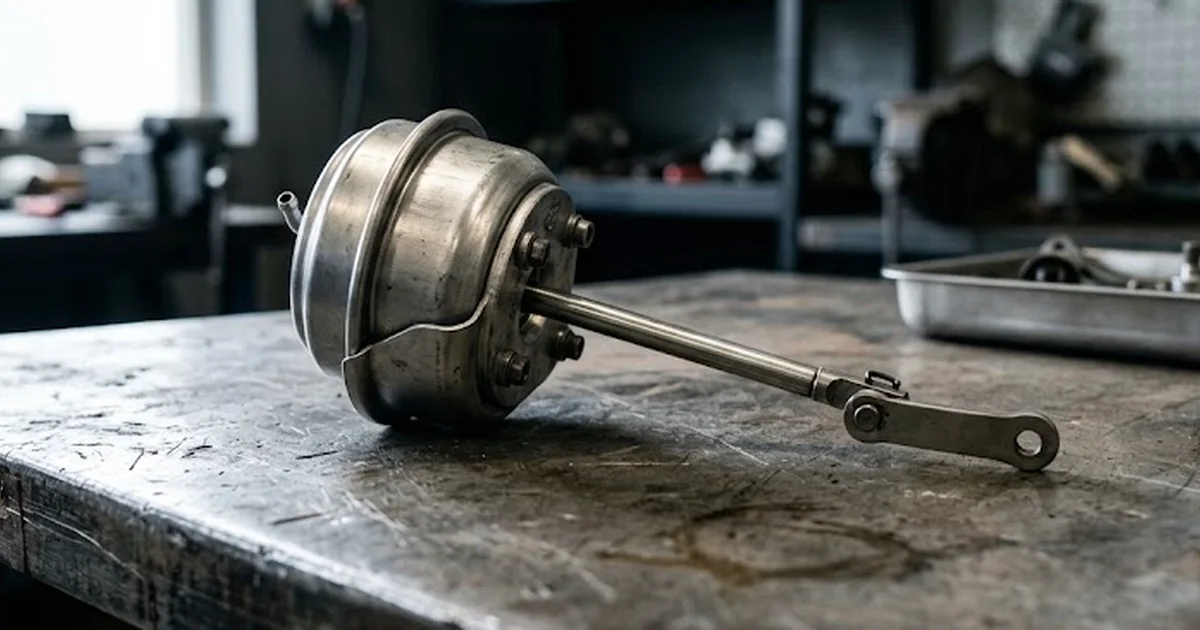
turboTurbo Actuator Replacement: What Fitting Really Involves
Thinking about turbo actuator replacement? Here's what fitting or refitting the part genuinely involves, from diagnosis to calibration and testing.
 turbo
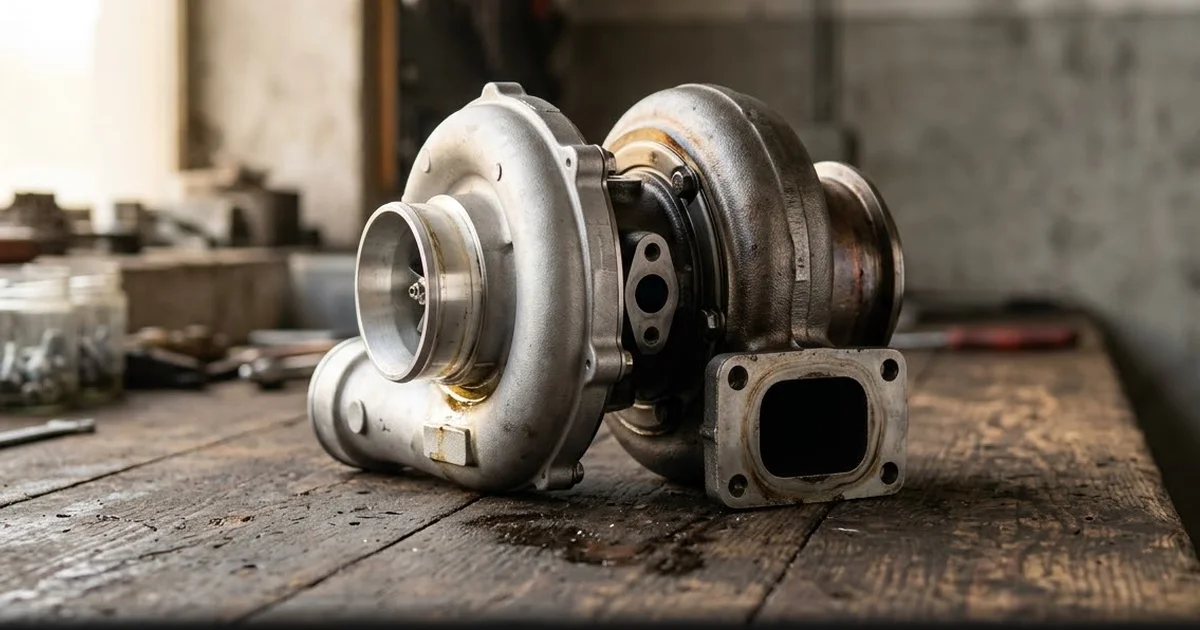
turboHow to Tell If Your Turbo Is Bad: Warning Signs
Learn how to tell if your turbo is bad before you buy a replacement. Spot the noises, smoke and power loss that reveal a genuine turbo fault.
 turbo
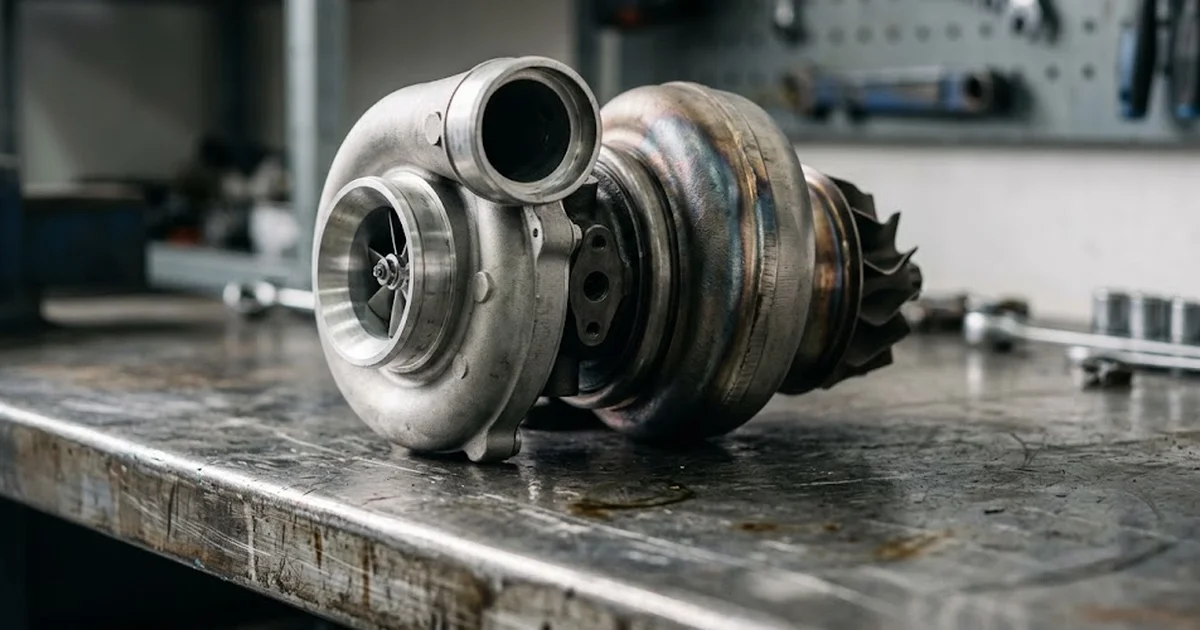
turboWhat Is a Turbo in a Car? Full Guide Explained
Discover what a turbo is, how it works, and why it boosts engine power. Clear, expert explanations for UK drivers, plus maintenance tips inside.