
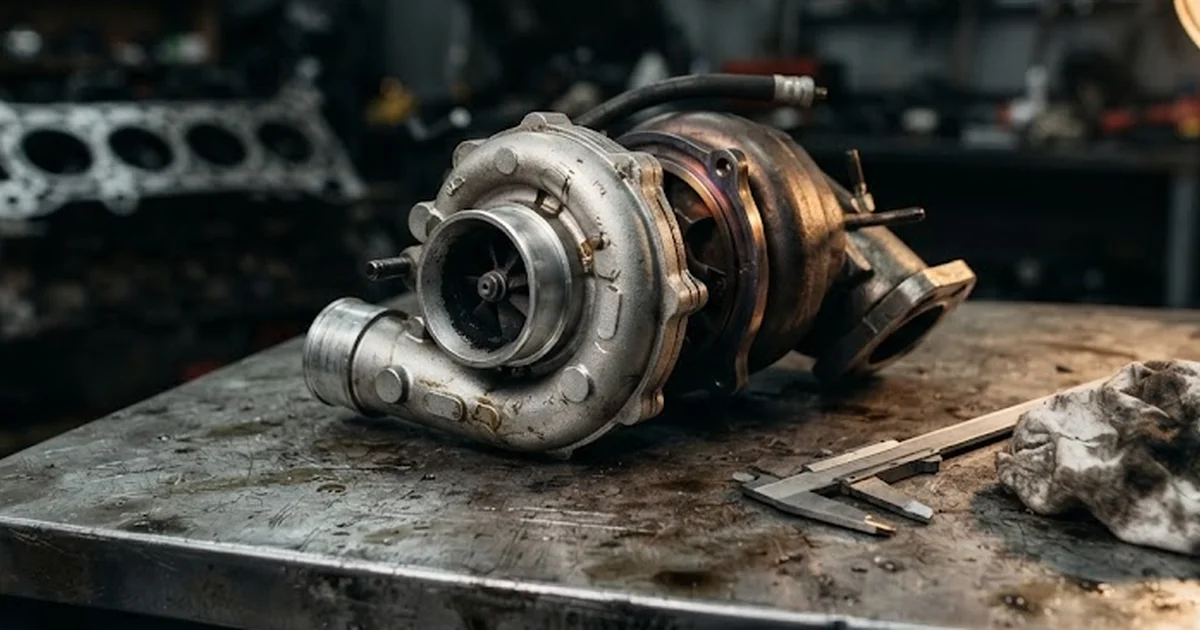
How to tell if your turbo is working: the diagnostic method before ordering a part
Discover the complete method to determine if your turbo is working before ordering a part: symptoms, step-by-step diagnosis, and mistakes to avoid.
A turbo that whistles, an engine lacking power, suspicious smoke from the exhaust: these are all signals that lead many motorists to order a new part in a hurry. However, before any purchase, a methodical diagnosis helps avoid unnecessary expenses and precisely identify the source of the problem. This article details the approach to follow to determine whether your turbo is truly malfunctioning or if the cause lies elsewhere.
Why a thorough diagnosis prevents unnecessary turbo purchases
The turbocharger is often blamed as soon as an engine loses responsiveness. Yet, in a significant number of cases, the turbo itself is in perfect mechanical condition: it is a peripheral component (cracked hose, faulty sensor, clogged filter) that causes the observed symptoms. Ordering a new part without prior verification means spending several hundred euros on a problem that could have been resolved differently.
A structured diagnosis allows you to:
- Confirm that the turbo is actually at fault before incurring an expense
- Identify whether the failure is mechanical, electronic, or related to an auxiliary circuit
- Avoid installing a new turbo on a defective system that would destroy it again
- Save time by directly targeting the correct replacement part
Symptoms indicating a faulty turbo
Before disassembling anything, it is essential to observe and qualify the symptoms experienced while driving. Each manifestation points to a different cause, whether mechanical or peripheral.
- Gradual or sudden loss of power: feeling of a restricted engine, particularly during acceleration or uphill driving
- High-pitched whistling during acceleration, often a sign of a pressurized air leak
- Bluish smoke from the exhaust, indicating oil consumption by the turbo
- Thick black smoke, associated with faulty boost or an overly rich mixture
- Engine warning light on with a fault code related to boost pressure
- Metallic noise or grinding at idle or during acceleration, potentially linked to excessive play in the turbo shaft
These symptoms are not exclusive: a failing turbo may exhibit several signs simultaneously, while a peripheral issue may produce only one in isolation.
The six-step diagnostic method before ordering
Here is the approach we recommend following methodically, in order, before considering replacing the part.
- Reading fault codes with an OBD diagnostic tool to identify codes related to boost pressure, wastegate position sensor, or mixture richness
- Visual inspection of the turbo: looking for oil traces around the housing, cracks in silicone hoses, abnormal play in the shaft by manually turning the wheel
- Checking axial and radial play of the turbine, ensuring there is no friction against the housing
- Inspecting the intake circuit: hoses, intercooler, clamps, for pressurized air leaks
- Checking the lubrication circuit: engine oil condition, oil pressure, cleanliness of the turbo feed line
- Targeted road test to reproduce the symptom and confirm if it changes with engine speed or load
This sequence helps methodically isolate the real cause before ordering any part.
Faulty turbo or simple clogging: how to tell the difference
A common point of confusion concerns turbo clogging, especially when the vehicle is primarily used in urban driving at low speeds. A clogged turbo can exhibit symptoms very similar to a genuinely faulty turbo, without requiring replacement.
At autoKUR, we regularly see requests for new turbos when a simple cleaning of the gas recirculation valve or an air filter change would have sufficed. Our recommendation is clear: never order a part before ruling out the most common peripheral causes. A new turbo installed on a clogged oil circuit will be damaged within just a few kilometers.
To distinguish between the two situations, several clues are useful:
- A clogged turbo often causes a gradual loss of power over several weeks, without associated metallic noise
- A genuinely faulty turbo usually shows noticeable mechanical play to the touch or a distinct noise at engine speed
- Visible oil leaks around the turbine housing point to worn seals, not just clogging
Common pitfalls and diagnostic errors
Certain mistakes are frequently made by motorists attempting to diagnose their turbo themselves. Being aware of them improves reliability.
- Relying solely on the engine warning light without reading the specific associated codes
- Mistaking a belt or pulley noise for a turbo whistle
- Ignoring the condition of the particulate filter, which can create backpressure affecting turbo operation
- Neglecting engine oil level and quality, which are crucial for turbo shaft lubrication
- Replacing the turbo without addressing the root cause, often leading to a recurring failure on the new part
Summary table of symptoms and probable causes
This table summarizes the main observed symptoms and the most frequently associated causes, to guide the initial diagnostic orientation.
| Observed symptom | Probable cause | Urgency level |
|---|---|---|
| Whistling during acceleration | Air leak in hose or loose clamp | Moderate |
| Continuous bluish smoke | Worn seal, oil consumption | High |
| Gradual loss of power | Clogging, EGR valve, or air filter | Low to moderate |
| Metallic noise at idle | Excessive play in the turbine shaft | High |
| Engine warning light with pressure code | Faulty sensor or stuck wastegate | Moderate |
| Thick black smoke | Overly rich mixture, excessive boost | Moderate to high |
When to call a professional: essential cases
While home diagnosis can rule out obvious causes, some checks require specific equipment or in-depth mechanical expertise. This is particularly the case for:
- Precise measurement of turbine shaft axial play with a dial indicator
- Checking actual boost pressure under load
- In-depth analysis of engine control unit data
- Complete turbo disassembly for internal inspection
In these situations, visiting a workshop remains the most reliable solution to confirm a diagnosis before any financial commitment. A professional can also assess whether the turbo is repairable or if a complete replacement is truly justified.
Summary: the method before any turbo purchase
Diagnosing a turbo before ordering a part relies on a progressive approach: observing symptoms, reading fault codes, visual inspection, checking the intake and lubrication circuits, then a road test. This method helps avoid unnecessary expenses and ensures that any replacement, if needed, will be durable.
Once the diagnosis is confirmed and the need for replacement established, it becomes relevant to consult the Turbocharger category to identify the exact reference for your vehicle and engine.
You may also like
A question?
Get in touch directly.

Discussion
Our advice related to Turbocharger
 Turbocharger
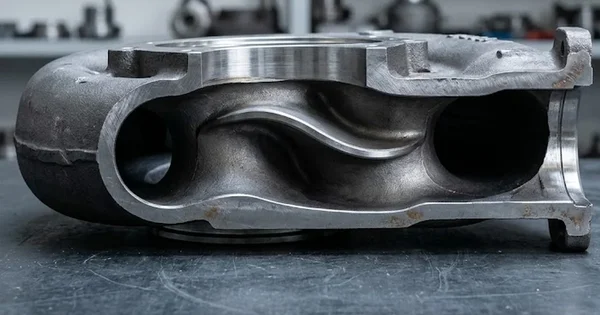
What Is a Twin Scroll Turbo? How It Works & Benefits
Discover what is a twin scroll turbo, how divided exhaust scrolls eliminate lag, boost low-end torque, and optimize efficiency. Complete technical guide.
 Turbocharger
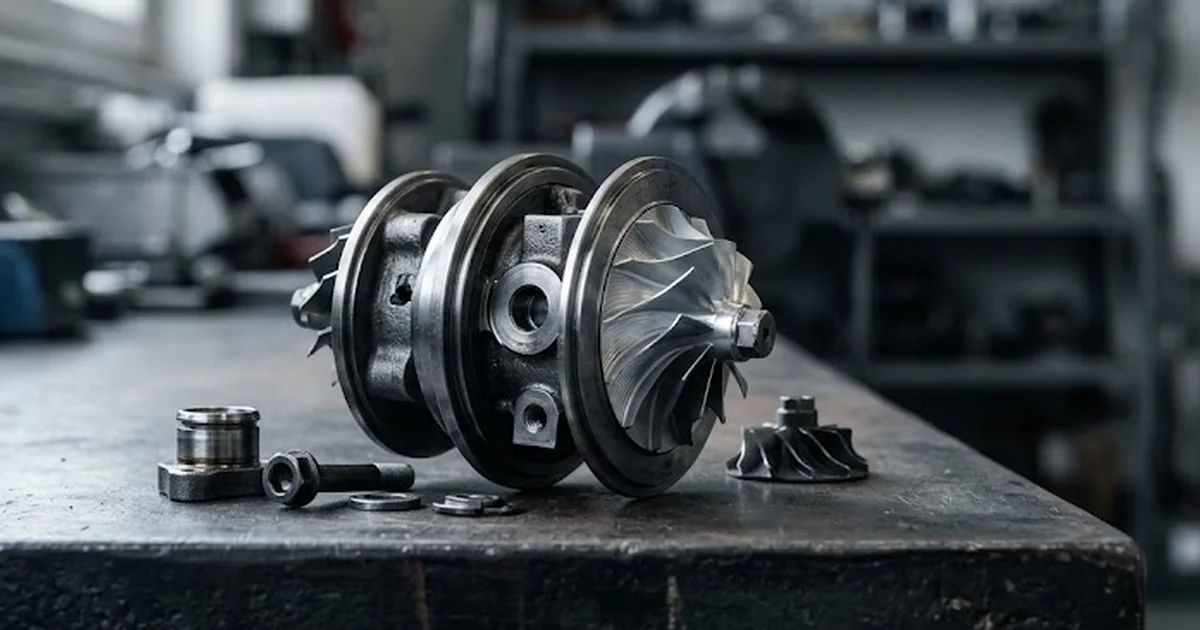
Why Is My Turbo Whistling? Warning Signs and Causes
Is your turbo whistling under acceleration? Discover the differences between normal spooling and mechanical failure, from boost leaks to bearing play.
 Turbocharger
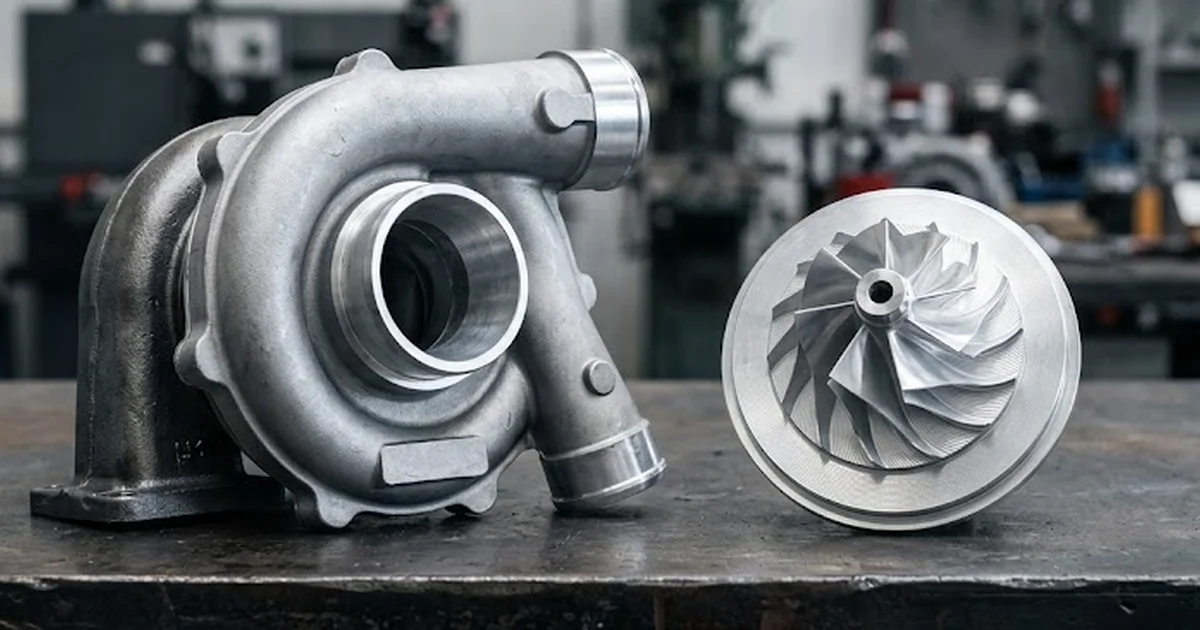
How Much HP Does a Turbo Add? Power Gains & Costs
Learn how much horsepower a turbo adds across engine sizes, what drives replacement costs, and how standard exchange delivers full factory performance.