
Available products
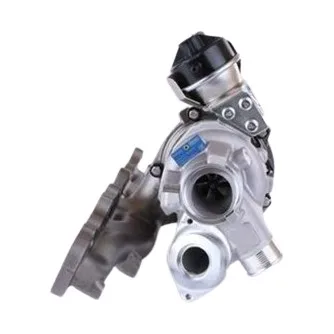
In stock
The VOLKSWAGEN Golf Sportsvan (AM1 / AN1) 2.0 TDI 150 hp (110 kW diesel) is covered by 1 exchange-standard reference(s). Check output before displacement: it determines the part.
Engine specification: 1968 cm³, diesel, built from 02/2014 to 08/2020. Matching part number: 030TC11002000 (MAHLE). Compare with the code stamped on your part.
Other engines of the VOLKSWAGEN Golf Sportsvan (AM1 / AN1): 1.4 TSI 150 hp, 1.5 TSI 150 hp, 1.5 TSI 130 hp. If the code stamped on your part is legible, search by reference remains the safest route. 24-month warranty.
Related categories
Frequently asked questions
About this category
The 2.0 TDI 150 hp turbocharger category addresses a core need in diesel engine maintenance: restoring lost power and efficiency without the cost of new OEM parts. This segment serves independent garages, DIY enthusiasts, and stranded motorists seeking a cost-effective solution for turbo failure symptoms such as reduced acceleration, excessive smoke, or unusual noises. The range includes remanufactured units designed to match the original specifications of this widely used engine configuration.
Our turbo range for the 2.0 TDI 150 hp is built on a foundation of OEM-compliant remanufacturing processes, where core components undergo rigorous inspection and replacement of wear-prone elements. The supply chain is managed by a dedicated wholesale network, ensuring availability and competitive pricing for professionals who prioritize efficiency and reliability in their operations.
Professional uses by trade
Different user profiles approach the 2.0 TDI 150 hp turbocharger replacement with distinct priorities: garages focus on turnaround time and compatibility, motorists seek immediate solutions to drivability issues, and DIYers value clear instructions and part accuracy.
- Le garagiste independant : Replaces a failing turbo on a 2012 Volkswagen Golf 2.0 TDI 150 hp with a remanufactured unit to restore factory performance without the expense of an OEM part.
- L'automobiliste depanne : Orders a turbo for a 2015 Audi A4 2.0 TDI 150 hp after noticing blue smoke and a noticeable drop in power during highway driving.
- Le passionne qui fait lui-meme : Sources a turbo for a 2010 Skoda Octavia 2.0 TDI 150 hp, preferring a remanufactured option to avoid the high cost of a new unit while ensuring long-term reliability.
- Der deutsche Kaeufer (DACH) : Purchases a turbo for a 2013 Seat Leon 2.0 TDI 150 hp, prioritizing compatibility with local workshop standards and the availability of technical documentation in German.
- Le garagiste independant : Uses a remanufactured turbo to address a customer complaint of sluggish response in a 2014 Seat Exeo 2.0 TDI 150 hp, ensuring the repair aligns with budget constraints.
- L'automobiliste depanne : Replaces a turbo on a 2016 BMW 320d 2.0 TDI 150 hp after detecting a whining noise from the engine bay, opting for an exchange standard part to minimize downtime.
- Der deutsche Kaeufer (DACH) : Selects a turbo for a 2011 Volkswagen Passat 2.0 TDI 150 hp, valuing the inclusion of a core deposit system to simplify the return of the old unit.
Range comparison
The following table presents the remanufactured turbo options available for the 2.0 TDI 150 hp, each designed to meet the technical and logistical needs of professionals and motorists alike.
| Range | Use | Format |
|---|---|---|
| Turbo MAHLE 030TC11002000 | Direct fit for VW Group 2.0 TDI 150 hp |
How to choose
Selecting the right turbo for a 2.0 TDI 150 hp requires attention to compatibility, condition, and core management, as these factors directly influence repair success and cost efficiency.
- Verify the engine code (e.g., CFFB, CFFC) to ensure the turbo matches the vehicle's exact motorization, avoiding mismatches that could lead to performance issues.
- Inspect the condition of the core deposit: a clean, undamaged unit simplifies the return process and ensures full refund eligibility under the exchange standard system.
- Prioritize turbos with a documented remanufacturing history, as this indicates adherence to standardized processes and reduces the risk of premature failure.
- Check packaging integrity to confirm the unit is protected from moisture and impact during transit, preserving its condition upon arrival.
- Assess the availability of technical documentation, including torque specifications and installation notes, to streamline the replacement process for mechanics.
- Evaluate the supplier's return policy for cores, as a flexible system minimizes logistical hurdles and supports efficient workflows in a professional setting.
- Consider the brand reputation of the remanufacturer, as established names in the industry often provide a baseline of quality and reliability for the 2.0 TDI 150 hp segment.
Storage & logistics
For professionals managing inventory, storing remanufactured turbos for the 2.0 TDI 150 hp requires a controlled environment free from extreme temperatures and humidity. Units should be stored in their original packaging or on designated racks to prevent deformation or contamination. Regular stock rotation ensures that older units are used first, maintaining freshness and reliability. A dedicated storage area with clear labeling prevents mix-ups and streamlines order fulfillment, particularly in high-volume workshops where efficiency is critical.
With over a decade of experience in turbo remanufacturing, our team has refined the process to deliver units that meet the demanding standards of 2.0 TDI 150 hp applications, ensuring consistent performance and longevity for every repair.— autoKUR team
Related categories
Browse our other ranges:
Useful references
For regulatory and sector references, see Reglement (UE) 461/2010 — pieces de rechange et garantie constructeur.