

Available products
5 references



Frequently asked questions
About this category
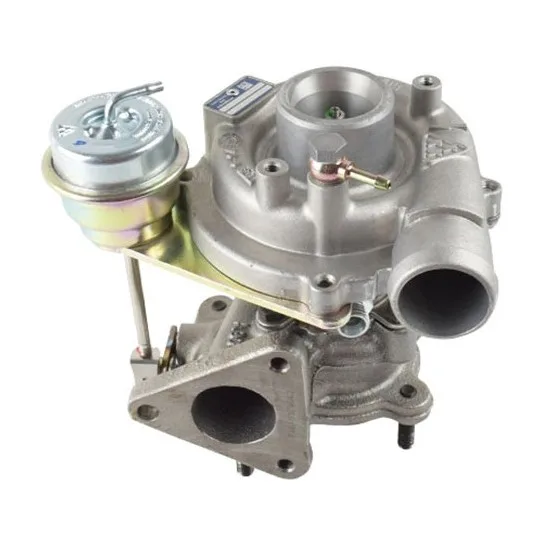
The 1.9 TDI 90 hp turbocharger category serves Volkswagen, Audi, Seat, and Škoda models equipped with this iconic diesel engine, widely used in passenger cars and light commercial vehicles from the late 1990s to mid-2000s. This range includes turbos designed for direct replacement, where the core unit is remanufactured to original performance standards while the housing and other components remain intact. Whether you are a mechanic seeking a quick fit or an enthusiast restoring a classic TDI, these turbos provide a cost-effective solution without compromising reliability.
The range is curated by a specialist wholesaler with deep expertise in diesel powertrains, sourcing turbos from leading remanufacturers who follow strict processes to ensure durability. The focus is on compatibility with the 1.9 TDI 90 hp’s variable geometry system, where precision in the cartridge and CHRA assembly is critical for maintaining boost pressure and preventing premature wear. This approach guarantees that each turbo meets the demands of daily driving and high-mileage applications alike.
Professional uses by trade
Different users approach the 1.9 TDI 90 hp turbocharger category with distinct priorities, whether it’s rapid availability for roadside repairs, long-term reliability for daily drivers, or technical precision for performance tuning. Garages prioritize fitment and turnover, while DIY enthusiasts may focus on ease of installation and compatibility with aftermarket modifications.
- Le garagiste independant : Uses exchange standard turbos to minimize vehicle downtime, pairing them with a used core return for cost efficiency and sustainability.
- L'automobiliste depanne : Relies on these turbos for quick, affordable replacements when a failure causes sudden power loss or excessive smoke.
- Le passionne qui fait lui-meme : Prefers remanufactured turbos for their balance of performance and affordability, especially when restoring a high-mileage TDI.
- Der deutsche Kaeufer (DACH) : Seeks turbos with documented remanufacturing processes, ensuring compliance with local workshop standards and environmental regulations.
- Le garagiste independant : Selects turbos with clear OEM reference matches to avoid compatibility issues in multi-brand fleets.
- L'automobiliste depanne : Chooses units with visible signs of remanufacturing, such as polished housings or new cartridges, as indicators of quality.
- Der deutsche Kaeufer (DACH) : Values turbos that include a core deposit system, simplifying the return of the old unit and reducing upfront costs.
Range comparison
The following turbos are specifically designed for the 1.9 TDI 90 hp engine, covering a wide range of Volkswagen Group models and model years. Each unit is tested for variable geometry functionality and CHRA integrity before being listed for exchange standard use.
| Range | Use | Format |
|---|---|---|
| SL Turbo 5439 988 0022 | Direct fit for VW Passat and Golf TDI | |
| SL Turbo 751851-5004S | Compatible with Audi A3 and Seat Leon TDI |
How to choose
Selecting the right turbo for a 1.9 TDI 90 hp requires attention to several key factors, including the vehicle’s model year, the turbo’s variable geometry system, and the condition of the core unit being returned.
- Verify the turbo’s OEM reference against your vehicle’s engine code to ensure a precise match, avoiding mismatches that could lead to performance issues or damage.
- Inspect the variable geometry mechanism for signs of wear or corrosion, as this directly impacts boost control and engine efficiency over time.
- Confirm the core deposit policy, which allows you to return the old turbo for a partial refund, reducing the overall cost of the exchange.
- Check the remanufacturing process details, such as cartridge replacement or CHRA overhaul, to gauge the unit’s expected lifespan and reliability.
- Prioritize turbos with a documented history of use in similar applications, as this indicates proven compatibility with the 1.9 TDI 90 hp’s demands.
- For high-mileage engines, consider turbos with reinforced housings or upgraded bearings to handle prolonged stress without premature failure.
- Ensure the turbo’s packaging includes protective measures for the variable geometry vanes, preventing damage during transit or storage.
Storage & logistics
Proper storage of exchange standard turbos is critical to maintaining their condition before installation. Keep units in a dry, temperature-controlled environment to prevent moisture buildup or corrosion in the variable geometry system. For garages, store turbos vertically to avoid stress on the CHRA and cartridges, and use original packaging or protective sleeves to shield the housings from scratches or impacts. Regularly rotate stock to ensure older units are used first, reducing the risk of degradation over time. When handling, avoid contact with the turbo’s internal components, such as the vanes or cartridge, to preserve their precision and functionality.
With over a decade of experience in diesel powertrains, our team has seen how a well-chosen exchange standard turbo can restore a 1.9 TDI 90 hp’s performance without the expense of a new unit, making it a trusted solution for both professionals and enthusiasts.— autoKUR team
Related categories
Browse our other ranges:
Useful references
For regulatory and sector references, see Reglement (UE) 461/2010 — pieces de rechange et garantie constructeur.