

Frequently asked questions
About this category
This category covers exchange turbochargers for the 1.9 TDI 130 hp engine, a widely fitted diesel unit across the VW Group range. It is built for anyone working from a specific vehicle and engine rather than a part number: the independent workshop diagnosing a loss of power, the driver stranded with a warning light, and the home mechanic replacing a worn unit in the driveway. What sits here is organised by engine code, OEM reference, and equivalence, so the search starts from the car rather than a catalogue.
The range is built around engine code and OEM equivalence rather than a single supplier, so a Garrett-type unit and an SL Turbo unit can sit side by side for the same engine when they cover the same fitment. A parts distributor plays a central role here, checking connector layout, actuator type, and core-deposit terms before a reference is added, so what reaches the buyer is already matched to the 1.9 TDI 130 hp rather than a generic listing.
Professional uses by trade
A 1.9 TDI turbocharger replacement is sourced differently depending on who is buying it. The workshop, the stranded driver, the home mechanic, and the DACH buyer each start from a different urgency and a different level of hands-on involvement, though all of them are matching the same engine code and connector layout.
- The independent mechanic: checks the engine code and OEM reference before ordering, keeping the exchange turbocharger ready for the next job on the ramp.
- The independent mechanic: returns the worn core under the exchange scheme once the new turbocharger is fitted, closing out the job without holding surplus stock.
- The stranded motorist: recognises the loss of power, exhaust smoke, or a warning light as reasons to check the turbocharger before continuing a longer trip.
- The stranded motorist: looks up the exact 1.9 TDI 130 hp reference by vehicle and engine code rather than guessing at a part number online.
- The DIY enthusiast: compares the OEM reference and connector type against the old part before ordering, then has the replacement fitted by a professional workshop.
- The DIY enthusiast: budgets for the core deposit on the exchange unit, returning the old turbocharger once the replacement is confirmed to fit.
- The DACH buyer (Germany, Austria, Switzerland): checks the engine code and OEM equivalence in English or German documentation before a workshop carries out the fitting.
Range comparison
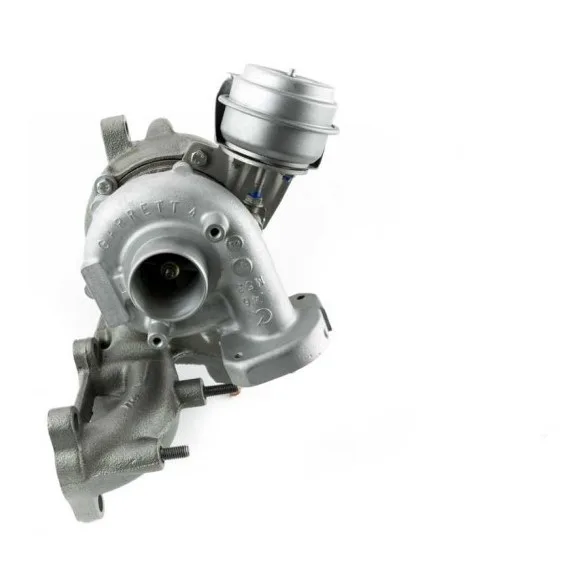
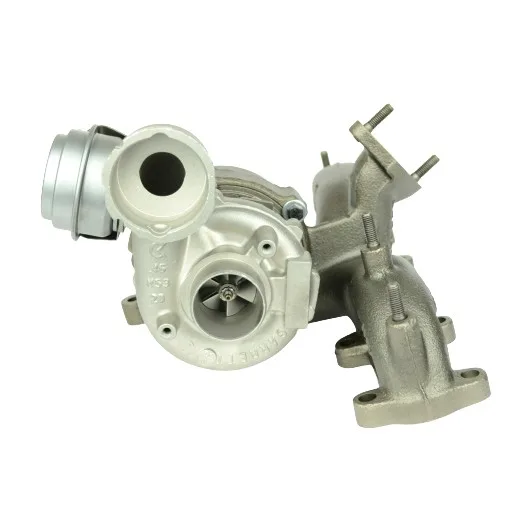
The table below lines up the two exchange turbochargers currently listed for the 1.9 TDI 130 hp engine, so a buyer can compare the reference against the vehicle and engine code before adding either one to an order.
| Range | Use | Format |
|---|---|---|
| Turbo Garrett 716860-5004S | engine-code matched replacement | |
| SL Turbo 720855-5006S | OEM-equivalent exchange unit |
How to choose
Choosing between references on this page comes down to a handful of checks that matter more than brand name: engine code, connector layout, actuator type, and how the core deposit and return are handled once the old part comes off.
- Engine code match: confirm the reference against the vehicle's exact engine code rather than the model name alone, since the same model spans several engine variants.
- Connector and actuator type: verify the wiring connector and actuator design match the original part, since a mismatch prevents proper fitting even on the correct engine.
- OEM reference and equivalence: cross-check the OEM number against the listed equivalence before ordering, especially when replacing a part with an unreadable or worn label.
- Core deposit and return: understand the exchange terms for the worn part before ordering, since the core deposit is tied to returning the original unit.
- Fitting by a professional: plan for the replacement to be carried out by a qualified workshop, since correct calibration affects how the engine performs afterward.
- Warranty terms: check the stated warranty duration for the specific reference before ordering, since terms can differ between an exchange unit and a new part.
Storage & logistics
Exchange turbochargers are stored as core-deposit items, which means the logistics side covers two directions: the outgoing remanufactured unit and the incoming worn part sent back under the exchange scheme. Units are kept boxed and stacked to avoid pressure on the actuator and connector housing, in a dry, temperature-controlled space that limits corrosion on unprotected metal surfaces. Turnover matters for a range built around specific engine codes: references tied to widely fitted engines like the 1.9 TDI 130 hp move faster than less common fitments, which shapes how stock is replenished and how core returns are tracked back to the original order.
Since 2026, our approach to a 1.9 TDI turbocharger replacement has stayed the same: start from the engine code, not the shelf. We would rather confirm a fitment twice than send out a part that turns into a second breakdown.— autoKUR team
Related categories
Browse our other ranges:
Useful references
For regulatory and sector references, see Reglement (UE) 461/2010 — pieces de rechange et garantie constructeur.