


Frequently asked questions
About this category
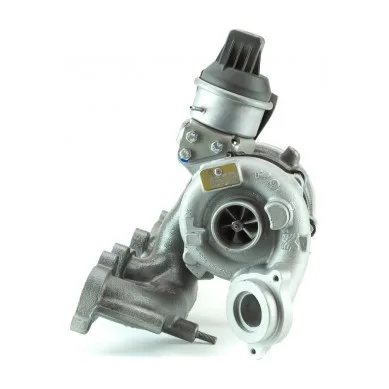
The 2.0 TDI 170 hp turbo exchange standard category serves a diverse audience, from independent garages and professional mechanics to DIY enthusiasts and stranded motorists. This range includes remanufactured turbocompressors designed to restore lost power, reduce smoke emissions, and eliminate abnormal noises like whistling or hissing, all while avoiding the expense of a full OEM replacement.
Curated by a specialist wholesaler with a focus on precision and compatibility, this range is built around verified OEM references and cross-referenced equivalents. The turbos are sourced from reputable remanufacturers, ensuring that each unit meets the performance and durability standards expected in the 2.0 TDI 170 hp segment, without compromising on quality or traceability.
Professional uses by trade
Different user profiles rely on this category for distinct reasons, whether it’s a garage needing a quick, reliable replacement or a motorist performing a DIY repair. The versatility of these turbos makes them suitable for a wide range of applications, from routine maintenance to emergency repairs.
- Independent garage: Replace a failing turbo on a 2010-2018 Volkswagen Passat 2.0 TDI 170 hp with a remanufactured unit to restore engine performance and avoid costly downtime.
- DIY enthusiast: Source a compatible turbo for a 2012 Audi A4 2.0 TDI 170 hp to complete a home repair project without professional intervention.
- Stranded motorist: Order an exchange standard turbo for a 2015 Skoda Superb 2.0 TDI 170 hp to resolve sudden power loss and return to the road safely.
- German workshop: Procure a high-quality turbo for a 2013 Seat Leon 2.0 TDI 170 hp, ensuring long-term reliability and compliance with local repair standards.
- Fleet manager: Maintain a stock of exchange standard turbos for multiple 2.0 TDI 170 hp vehicles to minimize operational disruptions and reduce repair costs.
- Passionate driver: Replace a worn-out turbo on a 2009 BMW 320d 2.0 TDI 170 hp to preserve the vehicle’s original driving dynamics and fuel efficiency.
- Professional mechanic: Use a verified turbo for a 2016 Mercedes-Benz C-Class 2.0 CDI 170 hp to meet client expectations for a quick and durable repair.
Range comparison
This section presents the available turbos for the 2.0 TDI 170 hp category, each listed with its exact reference and designed to meet the specific needs of different vehicle models and user profiles.
| Range | Use | Format |
|---|---|---|
| SL Turbo 5303 988 0207 | Volkswagen, Audi, Skoda | |
| SL Turbo 785448-5005S | BMW, Mercedes-Benz |
How to choose
Selecting the right turbo for a 2.0 TDI 170 hp engine requires attention to several key factors, including compatibility, condition, and sourcing transparency. These criteria ensure that the chosen unit will perform reliably and integrate seamlessly with the vehicle’s existing systems.
- Verify the turbo’s compatibility with your vehicle’s exact model year and engine code to avoid mismatches and ensure proper fitment.
- Prioritize turbos labeled as remanufactured or exchange standard, as these undergo standardized refurbishment processes to restore original performance levels.
- Check for the presence of a core deposit or consignment policy, which allows you to return the old turbo upon receiving the new one, reducing upfront costs.
- Opt for units with clear documentation of OEM references and cross-referenced equivalents to simplify ordering and avoid compatibility errors.
- Ensure the turbo includes all necessary components, such as the CHRA (Center Housing Rotating Assembly) and variable geometry mechanisms, for a complete replacement.
- Select a supplier with a track record in the 2.0 TDI 170 hp segment to benefit from specialized expertise and reliable lead times.
- Confirm that the turbo’s packaging includes protective measures to prevent damage during transit, especially for DIY enthusiasts handling their own deliveries.
Storage & logistics
For workshops and bulk buyers, proper storage of exchange standard turbos is essential to maintain their condition and readiness for immediate use. Store units in a dry, temperature-controlled environment away from direct sunlight and contaminants. Keep turbos in their original packaging or protective covers to prevent dust accumulation or moisture ingress. Rotate stock regularly to ensure older units are used first, maintaining freshness and reliability. Label each unit with its reference and model compatibility for quick identification during busy repair schedules. Avoid stacking turbos directly on top of each other to prevent deformation of the housing or damage to internal components.
With over a decade of experience in turbo remanufacturing, our team understands the critical role these components play in maintaining engine health. We’ve built this range to deliver turbos that meet the exacting standards of professionals and DIYers alike, ensuring every repair is a step toward long-term reliability.— autoKUR team
Related categories
Browse our other ranges:
Useful references
For regulatory and sector references, see Reglement (UE) 461/2010 — pieces de rechange et garantie constructeur.